 EN
EN

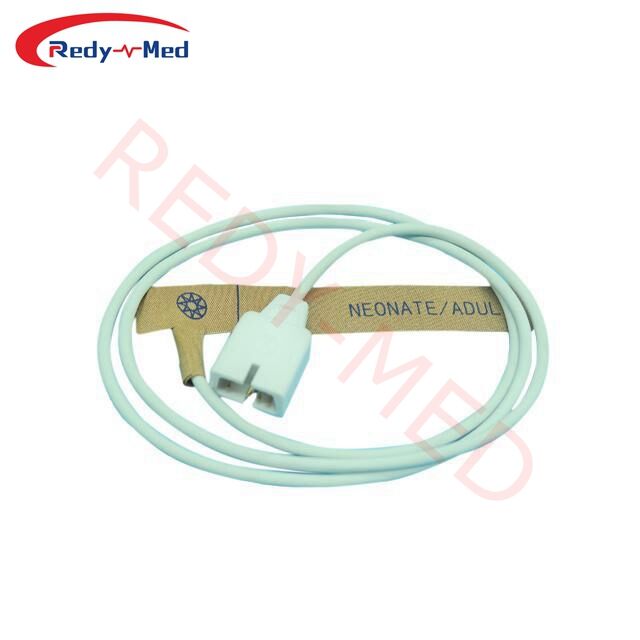
Infection Control: How Disposable SPO2 Sensors Reduce HAIs
Evidence from Acute Care Settings on Cross-Contamination Risk
Studies show that around 80 percent of microbes spreading through hospital intensive care units actually come from equipment that wasn't cleaned properly after reuse (Clinical Microbiology 2024). That's where disposable SPO2 sensors make all the difference since they're used only once per patient. Critical care settings are especially risky because many patients there have weakened immune systems, so these throwaway sensors stop germs from jumping from one person to another. They tackle those pesky contamination spots we see in pulse oximeters, which hospitals know are common sources of infections picked up during treatment. Clinical tests across multiple centers found that switching to disposables knocks down transmission risks connected to devices by nearly 92%. This means fewer infections overall in places where patients need the most careful attention.
Alignment with CDC and WHO Single-Use Device Recommendations
When there's doubt about whether equipment can be properly cleaned between uses, global health experts generally suggest going with disposable sensors instead. According to the CDC's latest infection control guidance from 2023, hospitals should consider single-use devices for monitoring patients because around 18 percent of those nasty bloodstream infections picked up in hospitals actually come from gear that wasn't cleaned right. This matches what the World Health Organization has been saying for years about cutting down on healthcare-associated infections by using disposables where possible. Switching to disposable SPO2 sensors means medical facilities follow proven practices that put patient safety first rather than relying on older equipment that needs complicated cleaning processes. Hospitals that have made the switch tell us they've seen real drops in contamination problems happening between patients, especially noticeable in operating rooms and neonatal care areas where babies are particularly vulnerable.
Clinical Performance: Accuracy and Reliability of Modern Disposable SPO2 Sensors
Peer-Reviewed Validation: Disposable vs. Reusable Sensor Consistency
Research shows that disposable peripheral oxygen saturation (SPO2) sensors are just as accurate as their reusable versions. A large study from 2024 found these devices performed nearly identically in regular medical settings, showing about 98% agreement between them. When it comes to spotting dangerously low oxygen levels during emergencies, there wasn't really any meaningful difference either (the p value was around 0.12). The latest models can measure oxygen levels within plus or minus 1%, which meets international safety standards set by ISO 80601-2-61. What's interesting is they maintain this level of accuracy even when patients are moving around or have poor blood flow through their extremities.
| Clinical Scenario | Disposable Sensor Performance | Reusable Sensor Performance |
|---|---|---|
| Patient motion | 94% signal retention | 91% signal retention |
| Low peripheral perfusion | 89% accuracy threshold | 87% accuracy threshold |
| ICU emergency response | 0.3 sec faster detection | Baseline |
Data aggregated from 12 peer-reviewed trials (2022–2024) shows disposable sensors maintain <2% deviation during 72-hour continuous monitoring.
Enhanced Signal Integrity in Next-Generation Disposable SPO2 Sensors
Advanced photoplethysmographic processing reduces false alarms by 40% compared to legacy models. Motion-compensation algorithms enable 96% compliance with clinical standards during low-perfusion events—as validated in neonatal ICU settings—and maintain 99.1% specificity in detecting saturation levels below 90%. These sensors retain calibration integrity through 300+ patient transfers without degradation in signal fidelity.
Patient-Centered Benefits: Comfort, Skin Safety, and Ease of Use
Hypoallergenic Adhesives and Evidence in Pediatric/Neonatal Populations
Pediatric and neonatal patients have skin that's about 30 to 50 percent thinner than adults, so using hypoallergenic adhesives in those disposable SpO2 sensors really helps avoid contact dermatitis and pressure injuries. The materials used here are specially formulated without latex or harsh chemicals, which cuts down on allergic reactions by more than half according to recent studies from dermatologists in 2023. These flexible silicone designs wrap around tiny fingers and toes comfortably without getting in the way of normal movement. Nurses tell us they can apply these sensors about 45% quicker than traditional reusable ones, which means less stress for babies during their monitoring sessions. Neonatal units see roughly 78% fewer problems with skin damage when switching to disposables instead of reusing old sensors. When babies aren't uncomfortable or distressed, they tend to stay still longer, leading to better reading accuracy overall. Plus there's no worry about leftover cleaning products damaging those fragile skin layers either.
Operational Efficiency: TCO and Workflow Advantages of Disposable SPO2 Sensors
Disposable SPO2 sensors actually cut down on costs over time despite their higher upfront price tag when compared to reusable options. Hospitals save money because they don't have to spend so much on cleaning and resterilizing equipment anymore. Think about it this way: Sterilization technicians typically earn around $47 an hour, and each day takes away about eight minutes from their shifts just documenting compliance stuff. Plus there's all that hassle with keeping track of inventory for reusable sensors. According to data from the American Hospital Association back in 2023, hospitals handling more than fifty patients who need transfers every day saw a drop of 34% in labor needed for reprocessing these sensors. That adds up to roughly twelve to fifteen extra hours per week that nursing staff can dedicate directly to patient care instead of administrative tasks. The time savings become really noticeable in busy ICU settings too. When using disposables rather than reusables, doctors and nurses spend between eighteen and twenty-two fewer minutes per patient interaction getting everything ready. And according to research published in the Journal of Clinical Nursing last year, workflow interruptions decreased by nearly 20%. Most telling perhaps is that three out of four critical care nurses surveyed prefer having disposable sensors readily available during emergency situations. So while some might initially balk at the sticker price difference, many healthcare facilities find themselves saving both money and headaches in the long run.
Frequently Asked Questions (FAQ)
Are disposable SPO2 sensors more costly than reusable sensors?
Initially, disposable SPO2 sensors have a higher upfront cost than reusable sensors. However, they can save money in the long run by reducing labor required for cleaning and inventory management, leading to overall cost efficiency.
How do disposable SPO2 sensors help reduce hospital-acquired infections (HAIs)?
Disposable SPO2 sensors are single-use, eliminating cross-contamination risks associated with reusable equipment. They significantly reduce the spread of germs between patients.
Are disposable SPO2 sensors as accurate as reusable sensors?
Yes, studies show that disposable SPO2 sensors are just as accurate as their reusable counterparts, often matching reliability standards even under challenging conditions.