 EN
EN

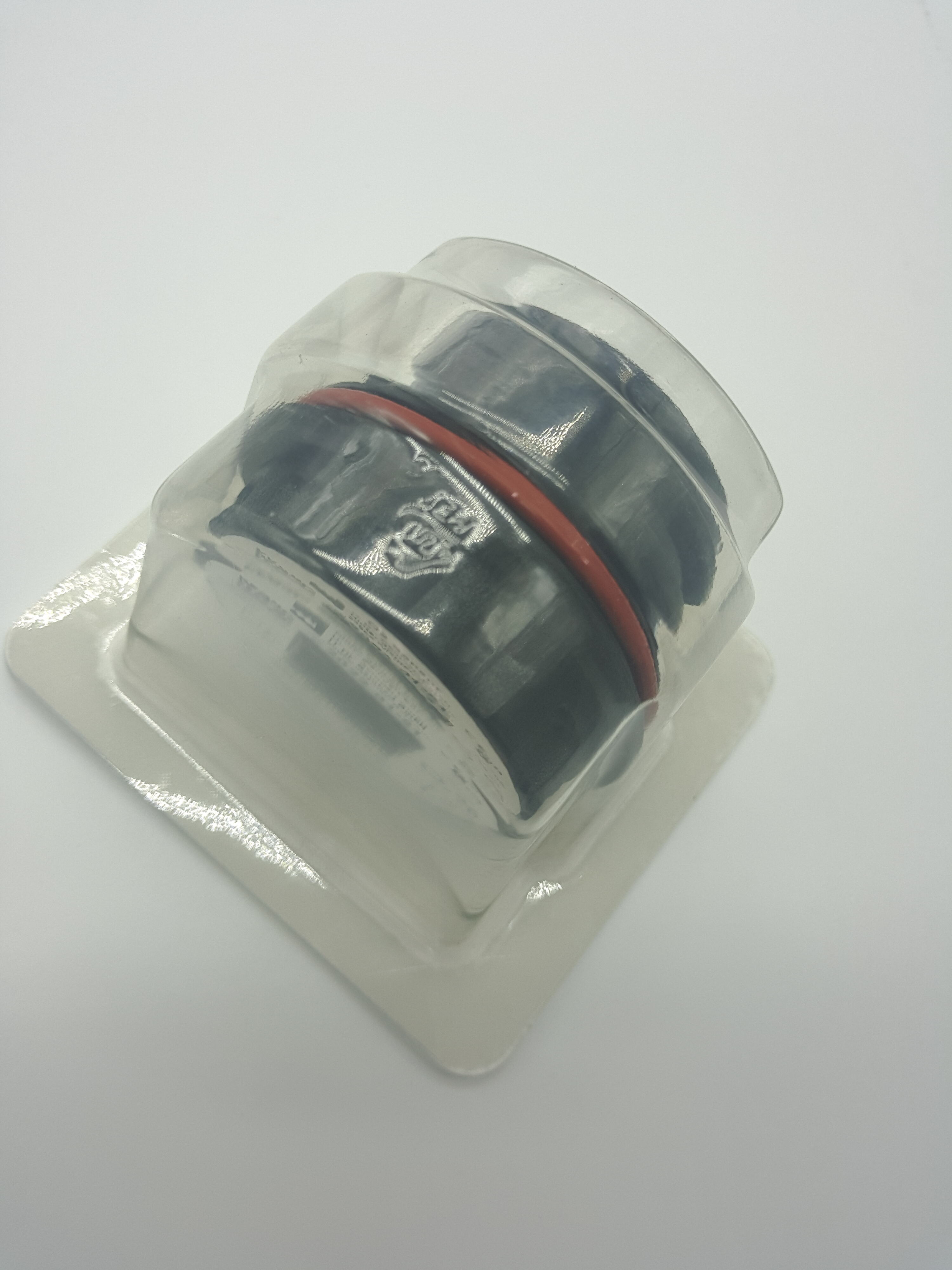
Preventing Life-Threatening Oxygen Imbalances with Medical Oxygen Sensors
Physiological Risks of Undetected Hypoxia and Iatrogenic Hyperoxia
Oxygen sensors in medical settings act as critical protection tools against two serious conditions that can happen at opposite ends of the spectrum: low oxygen levels (hypoxia) and too much oxygen (hyperoxia). When someone's blood oxygen drops below 90%, which we call hypoxia, organs start failing fast. The brain begins suffering damage after just four minutes without enough oxygen according to research from the Journal of Critical Care back in 2022. On the flip side, giving patients too much extra oxygen through treatment actually creates harmful substances called reactive oxygen species. This increases lung injury risks by about 37% and makes things worse for people already struggling with breathing problems like those seen in ARDS patients per studies published in NEJM last year. These monitoring devices provide doctors with immediate readings on both blood oxygen saturation (SpO2) and inspired oxygen fraction (FiO2), allowing them to keep patient oxygen levels within that tricky but crucial range between 94% and 98%. Clinical data supports that staying within this window leads to better health results overall.
Clinical Evidence: Real-Time Monitoring Reduces ICU Mortality by 22% (AHRQ 2023)
There's solid evidence supporting the benefits of continuous oxygen monitoring in healthcare settings. According to a recent study from the Agency for Healthcare Research and Quality looking at 142 intensive care units nationwide, hospitals that implemented integrated oxygen sensors along with automatic alert systems saw about a 22% drop in cases where patients died despite being treatable. The main reason? A dramatic 61% decrease in serious low oxygen incidents below 85% saturation levels. This happened because these systems caught drops in blood oxygen much earlier than traditional methods allowed. What makes this so important? Well, respiratory failure remains one of the biggest killers in hospitals today. Statistics from Chest journal put the annual death toll at around 68,000 Americans who succumb to this preventable condition each year.
Ensuring Accurate FiOâ‚‚ Delivery in Ventilation and Anesthesia Using Medical Oxygen Sensors
Calibration Integrity and Dynamic FiOâ‚‚ Drift in Closed-Loop Systems
Medical oxygen sensors in ventilators and anesthesia equipment don't just check what's programmed they actually measure the real Fraction of Inspired Oxygen (FiO2) getting to patients. When these are part of closed loop systems, small calibration issues from things like changing humidity levels or electrical noise can lead to hidden errors where oxygen concentrations vary between 5 to 10 percent off target. The FDA has pointed out something pretty concerning here too uncorrected sensor drift raises chances of low blood oxygen during operations by about 18%, which matters most in complex surgeries such as those on the chest area. If sensors aren't properly checked, automatic adjustments might keep sending dangerous amounts of oxygen even when everything looks fine on the machine display, putting patient safety at risk right where it counts most during treatment.
FDA MAUDE Insights: Sensor Failure as a Root Cause of Intraoperative Desaturation
Looking at data from the FDA's MAUDE database between 2020 and 2023 shows that about one third of all intraoperative desaturation incidents have sensor failure as their main problem. The usual issues we see are things like electrodes wearing out over time, membranes getting dirty, and signals slowly drifting away from accurate readings these problems can make the actual oxygen levels look different than they really are. Take for example some recent cases during laparoscopic surgery where patients experienced delayed hypoxia warnings because the sensors simply didn't go off when oxygen saturation dropped below critical levels around 90 to 92 percent. Regular maintenance routines matter a lot here. When hospitals schedule proper checks on how well these devices work and verify they function correctly under various conditions, it makes all the difference in keeping those life saving sensors reliable during surgeries where getting the right amount of oxygen at exactly the right moment isn't just important it's absolutely essential.
Guaranteeing Medical-Grade Oxygen Purity via Sensor-Based Compliance Monitoring
Meeting USP <911> and ISO 8573-1 Standards in Oxygen Concentrators and Pipeline Systems
Medical oxygen sensors play a key role in meeting both pharmacopeial standards like USP <911> and industrial specs such as ISO 8573-1, which require at least 99.5% pure oxygen for medical treatments. These electrochemical sensors work inside concentrators and hospital pipelines, constantly checking gas samples for tiny amounts of unwanted stuff like nitrogen, CO2, and various hydrocarbons. When something goes wrong, the alarms go off right away if levels cross safe limits, say over 0.5 parts per million of hydrocarbons according to ISO guidelines, stopping bad quality oxygen from getting to anyone who needs it. Top tier equipment now comes with built in sensors that adjust themselves automatically based on changes in air pressure and moisture content around them. This keeps readings accurate over time and creates detailed records hospitals can use during inspections or when applying for certifications related to patient safety protocols.
Enabling Proactive Oxygen Safety Through Intelligent Alarms and Leak Detection
Oxygen sensors in medical settings are changing how we think about safety, moving away from waiting for problems to happen and instead trying to stop them before they start. The newer models constantly check both the surrounding air and the oxygen being delivered to patients. They can spot dangerous situations like when oxygen levels go above 23%, which is known to be a fire hazard, or catch tiny leaks in those anesthesia machines and where pipes connect. These smart systems actually figure out what's really wrong versus normal fluctuations in pressure, cutting down false alarms by around 70% compared to older equipment. When something does look suspicious, the sensors can automatically kick in responses like turning on extra ventilation or shutting off certain gas lines. This happens long before a small leak could turn into something serious like a fire or disrupt treatment. Since these devices catch issues that people might not even notice during regular operations, they help hospitals meet important safety standards while keeping patients safe and protecting the building itself from damage.
FAQ
What are the key risks of hypoxia and hyperoxia?
Hypoxia occurs when blood oxygen levels drop below 90%, leading to potential organ failure and brain damage within minutes. Hyperoxia, or excessive oxygen, can create harmful reactive oxygen species that increase lung injury risks, especially in patients with existing respiratory issues.
How do medical oxygen sensors help reduce ICU mortality?
Continuous oxygen monitoring via medical oxygen sensors helps detect low oxygen incidents early, allowing for timely intervention. Studies indicate a 22% reduction in ICU mortality due to improved monitoring and prompt responses.
Why are calibration and sensor maintenance crucial in oxygen delivery systems?
Accurate calibration and regular sensor maintenance prevent errors in oxygen delivery, reducing the risk of intraoperative desaturation incidents and ensuring patient safety, especially during complex surgeries.
How do oxygen sensors ensure medical-grade oxygen purity?
Oxygen sensors continuously monitor gas quality against standards like USP <911> and ISO 8573-1, ensuring at least 99.5% pure oxygen by detecting impurities such as nitrogen and hydrocarbons.
What is the role of intelligent alarms in medical oxygen safety?
Intelligent alarms in oxygen sensors proactively identify safety hazards, such as high oxygen levels or leaks, allowing quick intervention to prevent issues like fire hazards or treatment disruptions.
Table of Contents
- Preventing Life-Threatening Oxygen Imbalances with Medical Oxygen Sensors
- Ensuring Accurate FiOâ‚‚ Delivery in Ventilation and Anesthesia Using Medical Oxygen Sensors
- Guaranteeing Medical-Grade Oxygen Purity via Sensor-Based Compliance Monitoring
- Enabling Proactive Oxygen Safety Through Intelligent Alarms and Leak Detection
-
FAQ
- What are the key risks of hypoxia and hyperoxia?
- How do medical oxygen sensors help reduce ICU mortality?
- Why are calibration and sensor maintenance crucial in oxygen delivery systems?
- How do oxygen sensors ensure medical-grade oxygen purity?
- What is the role of intelligent alarms in medical oxygen safety?