 EN
EN

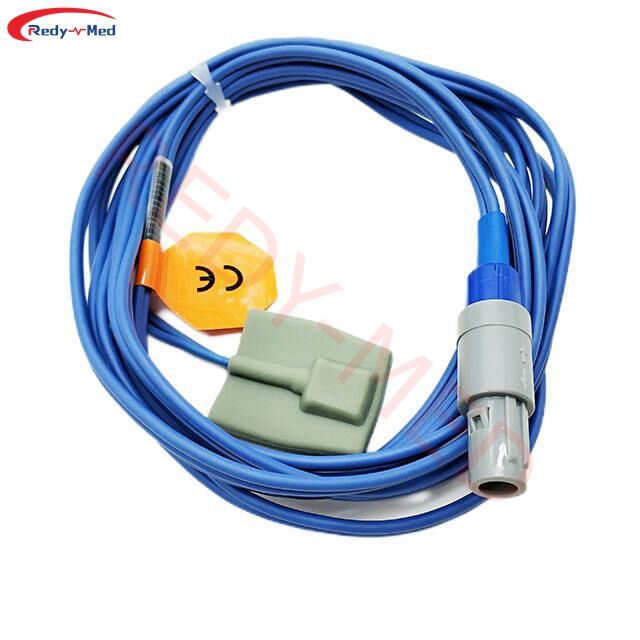
Understanding Clinical Infection Control Requirements for Reusable SpO2 Sensors
Cleaning, Disinfection, and Reprocessing Protocols That Maintain Sensor Integrity
Strict reprocessing rules simply cannot be ignored when it comes to SpO2 sensors that get reused multiple times. Hospitals need to put in place proper cleaning and disinfection procedures that actually work against germs while still protecting the delicate parts of the sensors and keeping cables intact. The process starts with getting rid of any visible dirt first, then moving on to proper chemical disinfection with products approved by the FDA that won't harm the sensor materials. After that comes good old fashioned rinsing and drying to make sure no moisture gets trapped inside where it shouldn't be. Once everything is clean, someone needs to look closely at each sensor for signs of trouble like odd colors showing up, cracks in the housing, or damaged connectors. Any sensor that fails this final check needs to go straight out of commission right away. The numbers tell an alarming story too. Latest CDC stats from 2023 show that nearly one in five bloodstream infections caught in hospitals come from contaminated monitoring equipment. That makes following these reprocessing guidelines absolutely essential for patient safety.
Compliance with FDA, CDC, and AAMI Standards for Reusable Patient Monitoring Devices
Following proper regulations keeps patients safe and makes sure medical sensors last longer. The Food and Drug Administration requires that reusable medical equipment be properly validated in design. Meanwhile, Centers for Disease Control guidelines set clear standards for cleaning levels when devices are used across multiple patients. There's also the AAMI TIR12 document which outlines exactly how to clean and prepare reusable sensors between uses. Hospitals need good records showing their staff knows what they're doing with these protocols, tracks the strength of cleaning solutions over time, and monitors how long each sensor stays in service before replacement. When facilities skip these steps, they put patients at risk and face serious fines from regulators. Recent research from 2023 found that hospitals following standard cleaning procedures saw a massive drop - around 74% fewer infections linked to sensor use. This backs up what many healthcare professionals already know: sticking to established protocols works best for everyone involved.
Ensuring Technical Compatibility and Signal Reliability Across Monitoring Systems
Verifying SpO2 Sensor Compatibility with Your Existing Vital Signs Monitors
When bringing reusable SpO2 sensors into clinical practice, it's really important to check if they work well with existing monitoring gear. We've seen plenty of cases where mismatched equipment leads to lost signals or wrong readings. Some research actually points out that incompatible devices account for about 23% of all monitoring mistakes in hospitals. So what should be done? First things first, test those electrical connections, look at how the devices talk to each other, and see if the software works together properly through some trial runs. Even though big manufacturers offer compatibility charts, nothing beats hands-on testing when blood flow is poor or weak. Make sure the plugs fit into the monitors correctly and that the system firmware can handle what the sensors need. This helps avoid those frustrating data gaps right when patients need continuous monitoring most.
Evaluating Accuracy, Motion Tolerance, and Low-Perfusion Performance
Assess three critical performance metrics when selecting reusable SpO2 sensors:
- Accuracy: Verify adherence to ISO 80601-2-61 standards with −3% deviation in arterial blood gas comparisons
- Motion tolerance: Prioritize sensors maintaining signal integrity during patient movement—vital for pediatric and restless patients
- Low-perfusion reliability: Test performance at systolic pressures below 80 mmHg, where 68% of conventional sensors falter
Opt for sensors with adaptive algorithms that compensate for poor perfusion and motion artifacts. Independent validation testing under clinically challenging conditions provides the most reliable performance data.
Selecting the Right Reusable SpO2 Sensor Design for Patient Population and Use Case
Pediatric, Adult, and Bariatric Fit Considerations for Consistent SpO2 Readings
Getting the right fit matters a lot when it comes to getting accurate oxygen saturation readings. Kids' sensors need to work on those tiny fingers under 5mm circumference without squeezing too hard, whereas adults generally need proper alignment of the sensor against their finger beds. Bariatric patients should go for longer sensors with bendy cables so they stay put even when moving around. Badly fitting devices create problems like motion artifacts and can actually damage skin, which is especially worrying for newborns whose delicate skin doesn't take kindly to pressure points. The SpO2 sensor needs to keep the light source and detector properly aligned regardless of size differences if we want good photoplethysmography results. Research indicates that using properly sized reusable sensors cuts down on false alarms by about 40 percent over those makeshift alternatives people sometimes try.
Spot Checks vs. Continuous Monitoring: Matching Sensor Type to Clinical Workflow
Clip style sensors work great when quick checks are needed in busy places such as emergency rooms or outpatient settings where saving time matters most. When dealing with longer term monitoring situations in intensive care or similar wards though, wrapping style options made from breathable fabrics tend to stick better through all those patient position changes while keeping skin happy. The cables need extra reinforcement too if they're going to last beyond three days straight since nobody wants their equipment failing mid shift. Don't bother using clips on patients who are heavily sedated either because swollen fingers just mess up the readings completely. Hospitals looking at green initiatives might consider going with sensors that have been tested successfully over at least 500 cleaning cycles before replacement becomes necessary.
FAQ Section
What are the common cleaning products approved by the FDA for SpO2 sensors?
Common cleaning products approved by the FDA for SpO2 sensors include those that are specifically designed to be non-damaging to sensor materials while effectively disinfecting.
What steps should be taken if a sensor shows signs of trouble during the inspection?
If a sensor shows signs of trouble such as odd colors, cracks, or damaged connectors, it should be taken out of commission immediately to ensure patient safety.
Why is technical compatibility important for SpO2 sensors?
Technical compatibility is crucial to ensure that the sensors work well with existing monitoring equipment, preventing lost signals or incorrect readings that can jeopardize patient care.
How can hospitals ensure proper sensor selection for different patient demographics?
Hospitals can ensure proper sensor selection by choosing appropriately sized sensors for pediatric, adult, and bariatric patients, ensuring the light source and detector alignment for accurate readings.
Table of Contents
- Understanding Clinical Infection Control Requirements for Reusable SpO2 Sensors
- Ensuring Technical Compatibility and Signal Reliability Across Monitoring Systems
- Selecting the Right Reusable SpO2 Sensor Design for Patient Population and Use Case
-
FAQ Section
- What are the common cleaning products approved by the FDA for SpO2 sensors?
- What steps should be taken if a sensor shows signs of trouble during the inspection?
- Why is technical compatibility important for SpO2 sensors?
- How can hospitals ensure proper sensor selection for different patient demographics?