 EN
EN

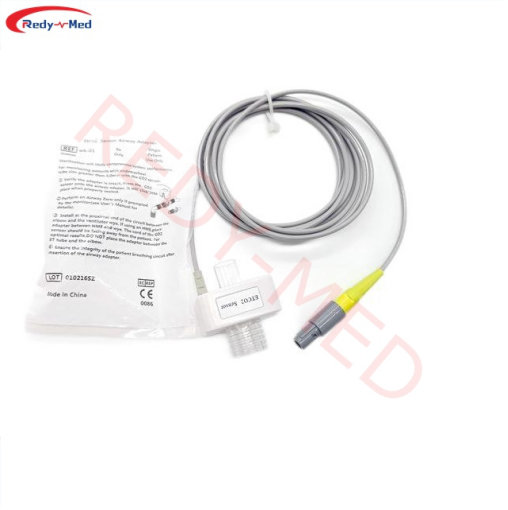
Why EtCO2 Sensors Are Critical for Respiratory Assessment
EtCO2 sensors offer something vital for real time ventilation monitoring that standard pulse oximeters just cant do. Pulse oximeters look at blood oxygen levels, but EtCO2 devices actually measure how much CO2 is being exhaled, which gives doctors quick information about breathing rates, what's happening metabolically, and whether there are issues with the airway. Medical staff catch serious problems such as when someone isn't breathing properly, has blocked airways, or if equipment gets disconnected from patients about half a minute sooner compared to relying only on oxygen readings. When someone goes into cardiac arrest, EtCO2 numbers under 10 mmHg usually mean chest compressions aren't working well enough. A sudden drop in these readings might point toward something dangerous like a blood clot in the lungs. Research indicates that EtCO2 measurements tend to be around 5 to 10 mmHg lower than actual arterial CO2 levels measured through blood samples, so they serve as good indicators of how well someone is ventilating without needing invasive procedures.
Continuous waveform capnography further enhances clinical decision-making by revealing characteristic patterns:
- Apnea: Absence of waveform
- Bronchospasm: Shark-fin shaped expiratory phase
- Esophageal intubation: Near-zero readings
This granular data enables early intervention before oxygen desaturation occurs, significantly reducing preventable complications in critical care and procedural sedation.
How EtCO2 Sensors Work: Technology, Design, and Clinical Integration
End-tidal carbon dioxide (EtCO2) sensors measure CO2 concentration at the airway during exhalation, providing critical data on ventilation, metabolism, and perfusion. Their core function relies on non-invasive, real-time analysis of respiratory gases.
Infrared Absorption Detection and the Beer-Lambert Law in Mainstream vs. Sidestream EtCO2 Sensors
Most EtCO2 sensors use infrared (IR) absorption technology, based on the principle that CO2 molecules absorb specific wavelengths of IR light—most notably at 4.26 μm. The Beer-Lambert Law governs this process, establishing a direct relationship between gas concentration and the amount of light absorbed.
Two primary designs dominate clinical use:
- Mainstream sensors attach directly to the airway adapter and analyze gas in real time, offering minimal delay and high accuracy. However, they add mechanical dead space and may require careful positioning.
- Sidestream sensors aspirate small volumes of gas through tubing to a remote analyzer, reducing airway burden but introducing a 1–2 second delay. They are also prone to condensation, sample contamination, or occlusion over time.
Recent technological improvements have largely overcome these constraints. Devices now feature ultra low dead space designs down around 1mL which works well for tiny patients, and the housing weighs under 100 grams making them easy to mount wherever needed in ORs, ICU units, or during patient transport. The high definition screens show important metrics like EtCO2 levels, breathing rates, and those telltale capnography waveforms. Plus there are customizable alarm systems that notify medical staff when someone stops breathing, gets disconnected from the device, or shows unusual readings. These features really boost safety for patients no matter where they receive care.
Interpreting Capnography Data from EtCO2 Sensors to Detect Respiratory Deterioration
Waveform Phases and Clinical Correlates: Identifying Apnea, Hypoventilation, and Airway Obstruction
Capnography waveforms generated by EtCO2 sensors offer a dynamic view of respiratory physiology through four distinct phases:
- Phase I: Exhalation of dead space gas (CO2-free)
- Phase II: Sharp rise in CO2 as alveolar gas mixes with dead space
- Phase III: Alveolar plateau reflecting near-constant CO2 concentration
- Phase 0: Inspiration, marked by rapid decline to baseline
Clinically significant deviations include:
- Apnea: Flatline waveform indicating absent respiration
- Hypoventilation: Elevated EtCO2 (>50 mmHg) with a rounded Phase III plateau
- Airway Obstruction: “Shark-fin” appearance due to prolonged Phase II/III slope from uneven alveolar emptying
Research demonstrates that waveform analysis detects respiratory compromise up to 40% faster than pulse oximetry, allowing earlier interventions and improved outcomes.
Emerging AI-Driven Trends in EtCO2 Sensor Analytics for Predictive Respiratory Monitoring
Machine learning is making big changes in how we use capnography equipment. These new systems look at small variations in waveforms, their timing patterns, and how they vary over time when compared to huge amounts of medical data. The result? Artificial intelligence can actually predict problems with breathing long before doctors notice anything wrong clinically. For instance, these smart tools might spot signs of dangerous breathing issues caused by opioids or sudden airway blockages anywhere from 8 to 12 minutes ahead of time. Research coming out of the Journal of Critical Care last year showed hospitals using this kind of enhanced monitoring saw a 15% drop in unexpected transfers to intensive care units because staff got warning signals earlier. Looking forward, engineers want to create systems that work like automatic pilots for ventilators. Imagine machines that adjust themselves based on what's happening with carbon dioxide levels in real time, giving patients just the right amount of help without needing constant attention from healthcare workers all day long.
Selecting and Implementing Reliable EtCO2 Sensors in B2B Healthcare Environments
Implementing reliable EtCO2 sensors in healthcare settings requires evaluating four key factors. First, assess performance specifications including accuracy (±2% of reading), response time (<500ms), and operational lifespan (typically 12–18 months). Regular calibration per manufacturer guidelines is essential to maintain precision during continuous monitoring.
Second, ensure regulatory compliance with FDA 510(k) clearance or CE MDR certification—non-negotiable requirements for patient safety and legal deployment. Verify documentation thoroughly during procurement.
Third, evaluate manufacturer reliability through technical support responsiveness, warranty coverage, and availability of training resources. Providers offering comprehensive service agreements help minimize downtime and ensure continuity of care.
When looking at costs beyond just the sticker price, healthcare facilities need to consider things like regular calibration needs, how often parts will need replacing, and what happens if sensors fail completely. One big concern is when hypoventilation goes unnoticed during patient sedation procedures. Getting these devices to work with current monitoring systems matters too. Most hospitals already have setups running on standard tech like Bluetooth Low Energy connections or basic Wi-Fi networks. The hardware itself has to survive pretty harsh conditions found in intensive care units where humidity can swing from 10% all the way up to 90%, and temperatures range between 15 degrees Celsius and 40 degrees Celsius. Plus there's the whole issue of keeping patient information secure. That means building in proper HIPAA compliant encryption right into the design process from day one.
Finally, invest in staff training programs focused on waveform interpretation, alarm management, and troubleshooting. Effective implementation ensures seamless workflow integration and maximizes patient safety through accurate, continuous EtCO2 monitoring.
FAQ
What is the primary function of an EtCO2 sensor?
End-tidal carbon dioxide (EtCO2) sensors measure the concentration of CO2 at the airway during exhalation, offering critical data on ventilation, metabolism, and perfusion.
How do EtCO2 sensors differ from pulse oximeters?
While pulse oximeters measure blood oxygen levels, EtCO2 sensors measure the amount of CO2 being exhaled, providing quicker insights into breathing rates, metabolic activity, and potential airway issues.
What are the main types of EtCO2 sensors?
The two primary designs are mainstream sensors, which attach directly to the airway adapter, and sidestream sensors, which aspirate small volumes of gas through tubing to a remote analyzer.
Why are EtCO2 sensors important in critical care?
They enable early detection of respiratory problems like apnea, hypoventilation, and airway obstructions, allowing for timely interventions and reducing preventable complications.
What are some considerations when implementing EtCO2 sensors in a healthcare setting?
It's essential to evaluate performance, ensure regulatory compliance, assess manufacturer reliability, consider integration with existing systems, and provide staff training.