 EN
EN

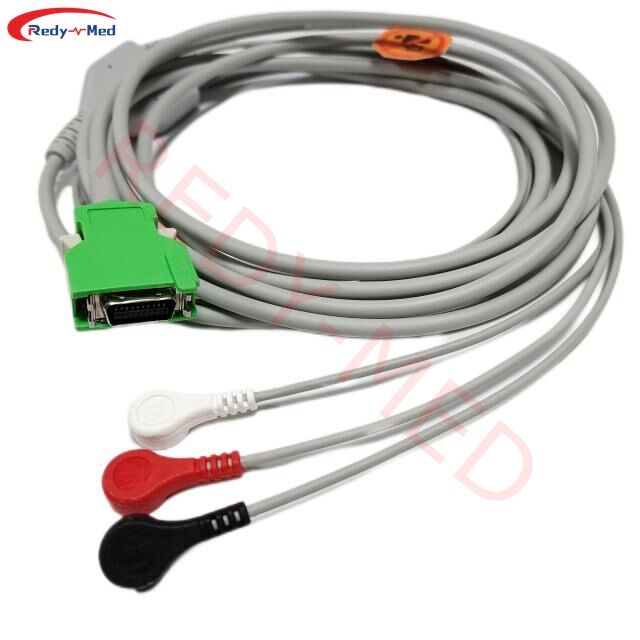
Daily Cleaning and Disinfection Best Practices for ECG Cables
Step-by-Step Cleaning Protocol Using EPA-Approved Disinfectants
Start with disconnecting those ECG cables from whatever monitoring gear they're attached to. Grab an EPA registered hospital grade disinfectant that works on medical polymers these days, check out List N if needed, then soak a lint free cloth with it. Don't ever spray the disinfectant directly onto the cables themselves though. Work the cloth along the entire cable length but pay special attention to where electrodes connect and all the spots people touch most often. Let the disinfectant sit for whatever time the manufacturer recommends, usually somewhere between one to three minutes, so it can actually kill off pathogens properly. Dry everything right away with another clean lint free cloth to keep moisture from getting inside and causing problems down the line. When storing cables, coil them loosely following the over under method to prevent stress on the conductors that might lead to premature failure later on. Hospitals and clinics that stick to this routine tend to see their cables last about 30 percent longer since the insulation isn't breaking down as fast from repeated exposure to harsh chemicals.
Avoiding Common Disinfection Mistakes That Damage ECG Cable Insulation
Don't soak connectors in liquids or go overboard with alcohol solutions above 70% strength since they pull out plasticizers from PVC insulation. This leads to problems like early stiffening, tiny cracks forming, and eventual signal loss. Stay away from those harsh wipes with chlorine or quats too because they eat away at copper wires and mess up the dielectric properties. Better options are pH neutral disinfectants that won't harm polymers and have been tested according to ISO 10993-5 standards for both safety and material compatibility. Remember to train staff properly about what products work best for cleaning these components without causing damage down the line.
- Skipping drying steps (residual moisture accelerates metal oxidation),
- Applying excessive force during wiping (abrades protective jackets),
- Storing cables near heat sources or under tension (thermal stress degrades insulation and promotes conductor fatigue). A 2023 clinical engineering study found that 68% of ECG cable failures trace directly to improper disinfection techniques—underscoring the need for standardized, evidence-based protocols.
Routine Inspection and Functional Testing to Prevent ECG Cable Failure
Visual Checks for Cracks, Fraying, and Connector Corrosion
Regular monthly checks of ECG cables form the first line of protection against unexpected failures. Look along the whole cable for tiny cracks, worn spots, color changes, or places where the outer layer has worn away to expose the wires inside. The connectors need special scrutiny too. Check those metal pins for signs of rust, bent pieces, or gunk buildup that can mess with the weak electrical signals running through them. Things like constant bending at the same spot and harsh cleaning chemicals really speed up wear and tear on these components. According to recent industry findings, about two thirds of early cable replacements happen because small damages go unnoticed (source: Clinical Engineering Review, 2023). Creating standardized inspection routines with simple checklists helps ensure everyone looks for the same issues consistently. This approach lets staff catch problems early before they start affecting patient readings during critical moments.
Signal Integrity Testing: Identifying Intermittent Faults Before Clinical Impact
Testing equipment function goes beyond what we can see visually because it finds those sneaky electrical problems our eyes just miss. Every three months, run checks with FDA approved ECG simulators to catch those tricky issues like signals dropping out for no reason, random bursts of noise, or changes in how electricity flows through wires. These kinds of problems pop up when things are moving around or under stress, making them really hard to spot otherwise. When these random failures happen, they can be especially dangerous in critical care situations where patients need close monitoring. We've seen cases where this leads to wrong diagnoses or treatment delays that could have been avoided. The numbers back this up too - hospitals that do regular maintenance see about 58% fewer surprise cable failures, according to research published last year in Biomedical Technology Journal. Here's what technicians need to remember:
- Monitor waveform stability during simulated patient motion,
- Record baseline impedance values at 10 Hz and 100 Hz,
- Flag cables showing >10% deviation from baseline or persistent noise above 15 µV RMS. This approach identifies progressive degradation patterns before clinical impact—ensuring reliability when cardiac data matters most.
Proper Handling and Storage Techniques to Preserve ECG Cable Integrity
How we handle and store ECG cables makes all the difference in how long they last. Sharp bends, kinks, or tension near the connectors can really shorten their life because repeated stress damages the wires inside and creates resistance issues. For storage, just coil them loosely with an over-under pattern instead of twisting them tight which causes internal wires to snap. The best place? Hang them upright on those special cable racks in storerooms, keeping them out of direct sun, away from cleaning chemicals, and far from hot air vents. Keep things cool too around 86 degrees Fahrenheit max with humidity between 40 and 60 percent. Temperature swings just speed up the aging process of the plastic insulation. Organizing matters too. Color code different types of cables and keep them separated so nobody pulls out a tangled mess later. Always grab the connector itself when unplugging, not the cable body, otherwise wires get pulled out or pins get knocked out of alignment. All these little steps together cut down on unexpected replacements by about a third according to what clinical engineers have seen across hospitals nationwide.
Maximizing ECG Cable Lifespan Through Manufacturer Compliance and Staff Training
Leveraging OEM Guidelines for Cleaning, Use, and Replacement Intervals
Following the original equipment manufacturer (OEM) instructions isn't just recommended—it's absolutely necessary for keeping ECG cables both safe and performing properly. These manufacturers provide specific guidance on what disinfectants work best, how much bending is acceptable before damage occurs, proper ways to handle them during use, and when they should be replaced based on actual research (usually around 12 to 18 months in busy clinical areas). When people ignore these specs, problems start happening fast. We see things like insulation breaking down, changes in signal quality, and all sorts of interference issues that contribute to more than 70 percent of early cable failures according to industry data. What many don't realize is that following OEM documentation actually meets FDA requirements outlined in 21 CFR Part 820 about quality control for medical devices and their accessories. Facilities that skip over these standards put patients at risk while also creating major headaches down the road. The numbers tell the story too bad: unplanned replacements for medical equipment drain about $740k each year from American hospitals alone as reported by Ponemon Institute back in 2023.
Building a Sustainable Maintenance Culture Across Clinical Teams
Keeping ECG cables in good working condition isn't just about what individuals do day to day, but needs to become part of how institutions operate overall. According to research from the Association for the Advancement of Medical Instrumentation, hospitals that introduced short monthly training sessions lasting around 15 minutes saw a drop in ECG cable problems by nearly half over twelve months. Their report TR-57 from 2023 highlights this finding. What works best are training programs that actually teach people things they can apply right away at their stations, not just theory or general knowledge.
- Demonstrating proper coiling and connector-handling techniques,
- Embedding real-time damage reporting into existing workflows (e.g., via EMR-integrated incident forms),
- Establishing cross-departmental accountability—linking nursing, biomedical engineering, and central supply teams in shared KPIs like cable uptime and replacement rate. This collaborative model transforms maintenance from reactive troubleshooting into proactive preservation—extending functional lifespan, reducing clinical downtime, and reinforcing a culture where equipment stewardship is everyone’s responsibility.
FAQ
Why is it important to use EPA-approved disinfectants on ECG cables?
Using EPA-approved disinfectants ensures that the cleaning products are effective against pathogens while being safe for the materials used in ECG cables. Non-approved disinfectants may harm the insulation or internal wiring.
What are the signs of ECG cable damage?
Signs include tiny cracks, worn spots, color changes, or places where the outer layer has worn away. Connector pins should be checked for rust, bent pieces, or buildup that affects signal quality.
How often should signal integrity testing be conducted?
Signal integrity testing should be conducted every three months using FDA-approved ECG simulators to identify intermittent faults before they can impact clinical performance.
What's the recommended storage environment for ECG cables?
Cables should be stored upright on cable racks, away from direct sunlight, cleaning chemicals, and heat sources. The ideal environment is below 86 degrees Fahrenheit with humidity between 40 and 60 percent.