 EN
EN

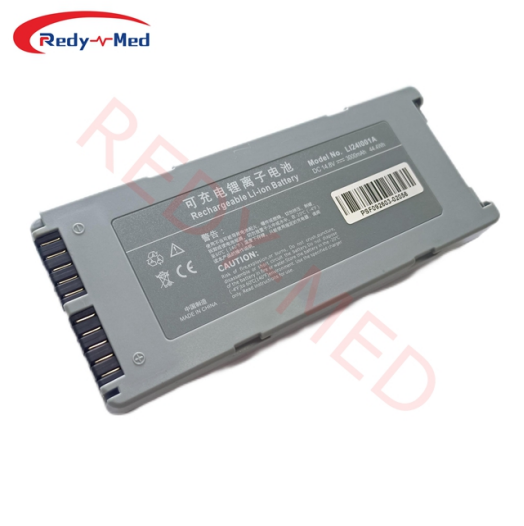
Lithium Iron Phosphate (LiFePO4) Batteries: The Gold Standard for Rechargeable Medical Devices
Why LiFePO4 Delivers 2,000+ Cycles and Exceptional Safety in Portable Medical Equipment
The LiFePO4 battery can last between 2,000 to 5,000 charge cycles because of its stable olivine crystal structure that doesn't break down much when lithium ions keep moving back and forth during charging and discharging. The iron phosphate bonds stay strong even after deep discharges, something we see all the time in devices like infusion pumps and portable patient monitors. This stands in contrast to cobalt based batteries which tend to overheat and catch fire once temperatures go past 60 degrees Celsius. What's really impressive is how these batteries hold their shape until they reach around 270 degrees Celsius, a fact confirmed through UL 1973 tests for fire resistance. Sure, the energy density isn't as high as other options out there (about 110-160 Wh per kg), but this actually makes them safer since there's less chance of catching fire while still providing enough power for most mobile healthcare equipment within acceptable weight limits. Plus, since these batteries don't need replacing as often, they create less hazardous waste overall. Unlike traditional lead acid batteries, LiFePO4 contains none of those dangerous heavy metals, making it a better choice for hospitals trying to meet their green initiatives.
How Thermal Stability and Voltage Consistency Extend Service Life in Critical Applications
The thermal stability of LiFePO4 makes it reliable even when temperatures fluctuate, which matters a lot in medical settings like neonatal incubators that get moved around different hospital areas. When sitting unused at room temperature, these batteries lose less than 0.1% of their charge each month, compared to the 2-3% drop seen in NMC batteries over the same period. This low self-discharge rate comes down to fewer unwanted chemical reactions happening inside the cells, something that's really important for emergency equipment like defibrillators that need to be ready at a moment's notice. The voltage stays pretty steady throughout most of the battery's usage (around 3.2 volts give or take 1%) so dialysis machines can run smoothly without unexpected power dips that might cause them to restart. Real world tests on MRI machine backup systems have shown these batteries last about 12% longer than their NMC counterparts because they don't form those pesky dendrites on electrode surfaces. And since the voltage remains so predictable, technicians can calibrate monitoring systems more accurately, which means these batteries typically stay useful for an extra year or two before needing replacement once they hit that 80% capacity mark.
Primary Lithium Batteries: Enabling Decade-Long Operation in Implantable Medical Devices
When it comes to medical implants that keep people alive such as pacemakers and neurostimulators, recharging just isn't something that works well or safely. That's why primary lithium batteries are so important for their long lasting power. Two main types stand out in this field lithium thionyl chloride (LiSOCl2) and lithium iodine. These offer energy density above 700 Wh per kg which matters a lot when making small implants that need to work for years. LiSOCl2 does great in things that draw moderate amounts of power like those remote monitoring devices patients wear. Meanwhile lithium iodine stands apart because it loses almost no charge over time less than 1% each year actually. This makes it perfect for heart devices that must run continuously for at least a decade without fail. Both battery types keep their voltage steady between about 2.9 and 3.6 volts during operation, so there won't be any unexpected problems with sensitive electronic components inside these vital medical devices.
Hermetic Sealing and Passivation Control: Keys to 10–15-Year Shelf and Operational Life
The secret to lasting performance over ten years lies in two key engineering breakthroughs working together: keeping things sealed tight and controlling how surfaces react chemically. Titanium or ceramic containers stop electrolytes from leaking out and moisture from getting in. A bad seal? That can cut battery capacity down by almost half within just a few years according to research published last year in the Journal of Power Sources. Just as important is what happens at the surface of the lithium anode where engineers have to walk a fine line between stopping unwanted discharge and avoiding delays in voltage response. Top makers tackle this challenge using different approaches. Some add halogens to stabilize the crystal layers in iodine batteries while others apply super thin carbon coatings to their LiSOCl2 cells. They also run tests that simulate aging over time, ensuring less than half a percent capacity loss each year even at body temperature conditions around 37 degrees Celsius. All these improvements mean batteries can sit unused for fifteen years without losing power, and keep working longer than required by FDA standards for medical implants. For patients needing pacemakers or other long term devices, this means fewer painful replacements down the road.
Comparing Longevity Across Medical Battery Chemistries
Medical devices demand batteries precisely matched to their longevity, safety, and power profiles—whether for daily recharge cycles or decade-long implantation. Key chemistries differ significantly in cycle life, thermal behavior, and application fit:
| Chemistry | Cycle Life (Rechargeable) | Thermal Stability | Primary Use Cases |
|---|---|---|---|
| LiFePO4 | 2,000–5,000 cycles | Excellent | Portable monitors, infusion pumps, ventilators, transport monitors |
| NMC | 1,000–2,000 cycles | Moderate | Short-term wearable sensors |
| Lithium Thionyl Chloride | N/A (primary) | High | Implantables (pacemakers, neurostimulators) |
| NiMH | 500–1,000 cycles | Low | Non-critical diagnostic tools |
Lithium iron phosphate batteries have become the go to choice for devices used every day because they last 3 to 5 times longer than NMC batteries between charges. Plus, these batteries keep their voltage stable even when deeply discharged, so important medical devices don't lose power unexpectedly. When looking at non rechargeable options, lithium thionyl chloride cells stand out for lasting around 15 years in implants thanks to their sealed construction and minimal self discharge rate below 1% per year. Nickel metal hydride might seem affordable for backup power needs, but most of its charge disappears after just 500 charge cycles, making it a poor fit for critical healthcare applications where reliability matters most. Temperature resistance plays a big role too. Lithium iron phosphate stays functional at temperatures up to 60 degrees Celsius while standard NMC batteries start breaking down 30% quicker once things get warmer than 45 degrees according to recent research from the U.S. Department of Energy in 2024.
Emerging Alternatives: Sodium-Ion and Solid-State Batteries for Next-Generation Medical Wearables
Lab-Scale Validation of Na-ion and Sulfide-Based Solid-State Cells in Low-Power, Long-Duration Applications
Sodium ion (Na-ion) batteries along with sulfide based solid state options are becoming serious contenders as safe and environmentally friendly power sources for medical wearables that need long lasting operation and constant skin contact. These Na-ion cells work well because they use plentiful sodium which is much cheaper than lithium, plus they perform reliably even when temperatures drop, something important for devices worn on the body. The solid state versions get rid of those dangerous liquid electrolytes completely, making them inherently safer and tests show they can pack about 40 percent more energy density compared to traditional models. Labs have tested these battery types extensively and found they last through around 1000 charge cycles with less than 10 percent loss in capacity during simulations of real world medical applications like glucose monitoring systems or nerve stimulation devices. Even though early test results look promising enough for wearables that might last decades, manufacturers still face major challenges getting mass production right and obtaining necessary biocompatibility approvals before doctors can actually start using them clinically.
FAQ Section
What is the cycle life of LiFePO4 batteries in medical devices?
LiFePO4 batteries can last between 2,000 to 5,000 charge cycles in medical devices due to their stable crystal structure.
Why are LiFePO4 batteries considered safe?
LiFePO4 batteries are considered safe because they have a high thermal resistance, holding their shape until around 270 degrees Celsius, and they contain no dangerous heavy metals.
What are primary lithium batteries used for in medical devices?
Primary lithium batteries are used in implantable medical devices like pacemakers and neurostimulators because they provide long-lasting power without needing to be recharged.
What advancements are being made in medical battery technology?
Emerging alternatives include sodium-ion and solid-state batteries, which are tested for long-duration applications in medical wearables, offering safer and environmentally friendly options.
Table of Contents
- Lithium Iron Phosphate (LiFePO4) Batteries: The Gold Standard for Rechargeable Medical Devices
- Primary Lithium Batteries: Enabling Decade-Long Operation in Implantable Medical Devices
- Comparing Longevity Across Medical Battery Chemistries
- Emerging Alternatives: Sodium-Ion and Solid-State Batteries for Next-Generation Medical Wearables