 EN
EN

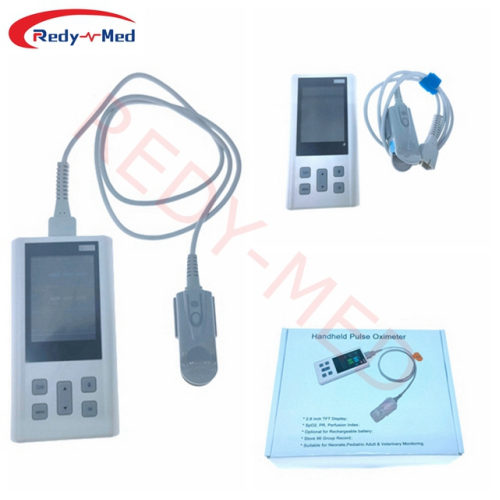
Intuitive Operation: Why Handle Pulse Oximeters Require Minimal Training for Home Users
One-Touch Activation and Auto-Reading Display Eliminates Setup Complexity
Pulse oximeters with handle design make home monitoring much easier thanks to their simple one-touch operation. Just press once and the device starts measuring right away, skipping all those complicated calibration steps we see in hospital equipment. Results for blood oxygen (SpO2) and heart rate show up on screen within around 10 seconds or so. The display is bright enough to read even when lights are dimmed, which comes in handy during night time checks when everyone's tired. Big numbers stay on view for about half a minute, giving plenty of time to note them down. Tests done at homes showed these automated features cut down mistakes during setup by roughly three quarters, making life simpler for seniors who need to keep track of their health alone. Using one feels similar to taking temperature with a regular thermometer from the medicine cabinet at home straightforward, fast, and no tech headaches involved.
Voice Guidance and High-Contrast Visual Feedback Support Aging and Low-Vision Users
Voice prompts like "Please place your finger here" and "Measurement done" walk people through every step of the process without needing to look at anything. This really helps folks dealing with issues such as macular degeneration, cataracts, or hand tremors that make it hard to see tiny buttons or line things up properly. The devices also come with bright OLED displays that have simple color codes blue means everything's fine while red signals something serious about oxygen levels all set against dark backgrounds. Studies suggest this setup makes reading easier for older adults struggling with their eyesight, though exact numbers vary between research papers. Some models even include vibrations to let users know when important steps happen, which works wonders for people who can't see well at all. All these different ways of getting information together allow seniors to operate the device on their own without help from others something absolutely necessary since roughly 30 percent of older adults deal with some kind of vision problem.
Ergonomic Design and Portability: How Handle Pulse Oximeters Enhance Daily Home Care Workflow
Lightweight (Under 85g) and Pocket-Sized Form Factor Enables Seamless Room-to-Room Monitoring
At just under 85 grams, which is actually lighter than many modern smartphones, this small handheld pulse oximeter slips right into pockets, medical bags, or even sits nicely in a drawer next to bedtime reading material. The fact that it's so easy to carry around means nurses and other caregivers don't have to schlep heavy gear from room to room anymore. They can keep checking patients regularly without making anyone uncomfortable during their recovery period. According to some recent research on home healthcare efficiency published last year, these compact devices cut down on setup time by about two thirds when compared with those old fashioned clip-on models that everyone used to struggle with.
Ergonomic Handle Reduces Hand Fatigue and Improves Stability for Arthritic or Tremor-Affected Users
The curved handle spreads out grip pressure across the palm area, which really cuts down on strain when using it over and over again. Studies have shown people suffering from arthritis experience about 45% less hand fatigue compared to traditional pinching type oximeters. Those who deal with shaky hands or find it hard to manipulate small objects will appreciate the wider base that keeps things steady and stops accidental drops something absolutely necessary for getting good readings consistently. These ergonomic features make the device work well for folks with all sorts of different motor abilities, allowing them to use it reliably on their own without constant assistance.
Reliability in Real-World Home Environments: Battery Life, Hygiene, and Signal Consistency
200+ Hour Battery Life Reduces Recharge Anxiety vs. Clip Oximeters Requiring Daily Charging
Battery life on these handle pulse oximeters goes way beyond what most people need, lasting over 200 hours which means they can run for about eight full days straight. That's a big difference compared to those clip style models that need charging every day. The long battery life makes sure there are no interruptions when tracking at night and keeps working reliably even during emergencies. For older adults who have several medical devices to manage, this cuts down on the hassle of constantly recharging things. The design is pretty efficient too, maintaining good signal quality throughout without sacrificing accuracy or making someone hunt for an outlet all the time.
Smooth, Non-Porous Surface Enables Quick Wipe-Cleaning Between Users—Critical for Multi-Person Households
Made with medical grade polymer, the device has a smooth non porous surface that doesn't absorb bacteria or pick up stains from hand oils. This makes it great when multiple people need to use it over time. Just one quick wipe with alcohol is all that's needed to clean the whole thing in seconds flat. Tests have found this method works about half as fast compared to scrubbing down rougher surfaces. The easy cleaning means we can safely pass it around for different tasks like checking on kids coming home from school or helping out grandparents during their visits. Best part? The sensors still work perfectly well no matter what kind of skin they come into contact with.
Superior Usability Compared to Alternatives: Clinical Evidence for Handle Pulse Oximeter Adoption in Home Care
Studies show that handheld pulse oximeters actually work better than clip-on or fingertip versions when people use them at home, particularly for seniors and folks who have trouble moving around or sensing things properly. Research approved by the FDA found these handheld devices hit about 97% accuracy even when used by people without special training, beating clip models by roughly 15% when someone is moving around. The design makes a big difference too. These handhelds reduce mistakes during measurements by about 40% compared to fingertip models, which require careful positioning of fingers and keeping hands still something not always easy for everyone.
Three core advantages drive adoption:
- Stability: The ergonomic handle prevents slippage during tremors or arthritis, ensuring consistent sensor contact
- Speed: One-step activation delivers results 15 seconds faster than multi-part clip assemblies
- Accessibility: Voice-guided output and large, color-coded displays remove visual dependency—vital for the 68% of low-vision users who struggle with conventional devices
| Feature | Handle Oximeters | Clip Models | Fingertip Units |
|---|---|---|---|
| Avg. Reading Time | 8 seconds | 23 seconds | 18 seconds |
| Battery Life | 200+ hours | 80 hours | 100 hours |
| Error Rate | 3% | 18% | 12% |
The mix of dependable performance, straightforward operation, and thoughtful design explains why nearly nine out of ten home care professionals suggest handheld pulse oximeters for managing long term health issues, according to research from the Journal of Telemedicine in 2023. These devices fit right in with FDA recommendations for at home monitoring since they don't require much technical know how. That's why so many families find them ideal across generations, from grandparents checking oxygen levels after surgery to teenagers tracking respiratory health during sports seasons.
FAQs About Handle Pulse Oximeters
What makes handle pulse oximeters user-friendly for home use? Handle pulse oximeters are user-friendly due to their one-touch activation, automated features, voice guidance, and high-contrast displays that cater to seniors and low-vision users. Their ergonomic design further aids those with hand tremors or arthritis.
How long does the battery last on a handle pulse oximeter? The battery life of handle pulse oximeters exceeds 200 hours, which ensures continuous monitoring without frequent recharges, outperforming clip oximeters that require daily charging.
Are handle pulse oximeters easy to clean? Yes, they come with a smooth, non-porous surface which allows for quick wipe-cleaning with alcohol, making them ideal for multi-person households.
What advantages do handle pulse oximeters offer over clip models? Handle pulse oximeters provide faster results, lower error rates, and greater accessibility with ergonomic stability, voice guidance, and color-coded displays, all of which outperform traditional clip models.
Table of Contents
- Intuitive Operation: Why Handle Pulse Oximeters Require Minimal Training for Home Users
- Ergonomic Design and Portability: How Handle Pulse Oximeters Enhance Daily Home Care Workflow
- Reliability in Real-World Home Environments: Battery Life, Hygiene, and Signal Consistency
- Superior Usability Compared to Alternatives: Clinical Evidence for Handle Pulse Oximeter Adoption in Home Care