 EN
EN

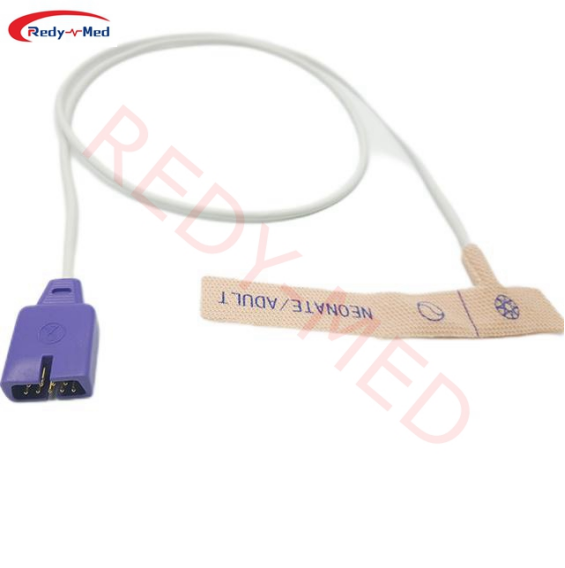
The Infection Risk Gap: Why Reusable SpO2 Sensors Enable Pathogen Transmission
Bacterial Load Evidence: High Contamination Rates on Reused Sensors in ICUs and ERs
SpO₂ sensors that get reused tend to collect harmful germs on them even after they've been cleaned properly. Research published in Clinical Microbiology back in 2024 showed pretty alarming numbers - around 80% of these sensors tested positive for contamination in intensive care units. What makes things worse is how bacteria form stubborn layers called biofilms inside the tiny grooves of the sensors, which just won't budge with regular cleaning methods. These tough bacterial colonies actually help spread superbugs like MRSA from one patient to another. The problem gets even bigger in emergency rooms where there's constant patient movement and staff often rush through the cleaning process instead of taking proper time. Since none of the current cleaning techniques work reliably everywhere in hospitals, many experts now believe that single-use SpO₂ sensors might be the best solution available to stop this kind of cross-contamination between patients.
CDC and WHO Guidance on Non-Critical Devices: Why SpO2 Sensors Belong in the Single-Use Category
The CDC released new guidelines in 2023 that put SpO2 sensors in the non-critical category but still require high level disinfection. However, they clearly state that hospitals should switch to single use options whenever there's any doubt about whether proper cleaning was actually achieved. The World Health Organization backs this up too, pointing out that nearly one in five hospital acquired blood infections come from dirty monitoring gear. Looking at how these sensors are built makes sense why both groups think disposables are better. They have those tiny spaces between parts, all sorts of textures on their surfaces, plus those little lights that just get in the way when trying to clean everything properly. These design issues mean pathogens can hide pretty well. What we're seeing here isn't just some hypothetical problem either. There are plenty of actual cases where standard cleaning procedures failed in real hospitals, which is why experts keep pushing for change.
Clinical Impact: Validated Reduction in HAIs with Disposable SpO2 Sensors
2023 Multi-Center Trial: 37% Drop in ICU-Acquired Infections After Transition to Disposable SpO2 Sensors
In 2023, a major trial was conducted at 18 different ICU locations showing about a third fewer healthcare associated infections after switching to single use SpO2 sensors. Looking specifically at blood stream and lung infections measured over 1,000 patient days, numbers dropped from around 8.2 cases down to just 5.1 cases during this period. The drop was definitely not random since the p value came out below 0.01. Most experts believe these better results happened because reusable sensors were no longer passing germs between patients. Hospital staff noticed other good effects too. Patients spent less time isolated and doctors prescribed fewer antibiotics as a precaution. All this supports what the CDC has been saying all along about how important it is to properly categorize medical devices based on risk levels. Following these guidelines really does save lives in emergency situations.
Operational & Economic Advantages of Disposable SpO2 Sensors
Eliminating Reprocessing Failures, Labor Costs, and Turnaround Delays
The problem with reusable SpO2 sensors is all that cleaning they need between patients creates real headaches for hospitals. Cleaning takes forever, strains staff, and just increases chances for mistakes. According to those AAMI guidelines we all follow, around 12 to almost 20 percent of cleaning attempts fail somehow, usually because people make errors or equipment acts up. Each cleaning run eats up somewhere between 15 and 22 minutes of trained personnel time, which isn't helping anyone when beds need turning over fast. That's why many facilities are switching to disposable SpO2 sensors instead. These come pre-sterilized straight from the package so nurses can just grab and go. The difference? Faster patient care, no worries about cleaning mishaps, and better infection prevention since there's no reliance on imperfect human memory or technique during the cleaning process.
Total Cost of Ownership Comparison: Disposable SpO2 Sensor vs. Sterilization + QA + HAI Mitigation
Evaluating true cost requires looking beyond unit price to include labor, infrastructure, quality assurance, and avoidable harm:
| Cost Factor | Reusable Sensors | Disposable SpO2 Sensors |
|---|---|---|
| Unit Acquisition | $300–$500 per sensor | $15–$25 per sensor |
| Annual Reprocessing | $740k (Healthcare Economics 2023) | $0 |
| HAI Treatment Avoidance | $28k per infection | Built-in contamination prevention |
| QA/Staff Labor | 0.5 FTE per 100 beds | Eliminated |
Hospital audits across multiple facilities show that switching to disposables can cut annual spending by around 34%. This isn't simply about lower prices per item though. What really makes the difference is getting rid of the whole reprocessing system, saving on staff time, and avoiding those costly healthcare-associated infections that nobody wants to deal with. When looking at everything from purchase price to hidden expenses, the math just adds up better for disposable SpO2 sensors. Facilities find themselves spending less money overall once they factor in all the direct costs plus those indirect ones that often get overlooked.
Standards Alignment and Implementation Pathways Across Resource Settings
Harmonizing WHO, CDC, and AAMI Standards with Local Practice — Especially for Disposable SpO2 Sensor Adoption
Getting good infection control really depends on matching up those global standards based on evidence with what actually works in practice. Think about it: WHO focuses on preventing infections through proper equipment use, CDC has this whole system for categorizing non-critical devices by risk level, and AAMI sets out specific rules for how equipment should be cleaned and maintained. The CDC definitely backs using single-use SpO₂ sensors when there's any doubt about whether cleaning them properly is reliable enough. But implementing these things needs to fit with what each facility can handle locally. Here's what tends to work best in most cases: start by doing focused checks in places where patients are most at risk, like intensive care units. Then make sure staff get proper training on both how to apply and dispose of these sensors correctly. Also important is setting up some kind of system to track compliance in real time against those WHO and AAMI standards. Take the recent 2023 study across multiple centers that saw a 37% drop in healthcare-associated infections after following this approach. That shows it's not just theory anymore but something hospitals can actually put into practice, even if they don't have unlimited resources. Putting disposable SpO₂ sensors at the front line of infection control protocols makes sense for stopping infections better, but we still need to keep adjusting according to what each hospital finds feasible day to day.
FAQ
What are biofilms and why do they matter?
Biofilms are layers of bacteria that form in hard-to-clean areas of devices, making them resistant to standard cleaning methods. They can harbor harmful pathogens like MRSA, increasing the risk of cross-contamination.
Why aren't cleaning methods sufficient for SpO2 sensors?
SpO₂ sensors have small grooves and complex textures that make thorough cleaning difficult. This leads to potential contamination despite following cleaning protocols.
How do disposable SpO2 sensors reduce infection rates?
Disposable SpO₂ sensors eliminate the need for reprocessing, reducing the risk of human error and the spread of germs between patients, as confirmed by a 2023 trial showing a 37% reduction in infections.
What are the cost benefits of disposable SpO2 sensors?
Although disposable sensors may have higher unit costs, they save on labor, reprocessing, and infection-related expenses, potentially reducing overall hospital spending by up to 34%.