 EN
EN

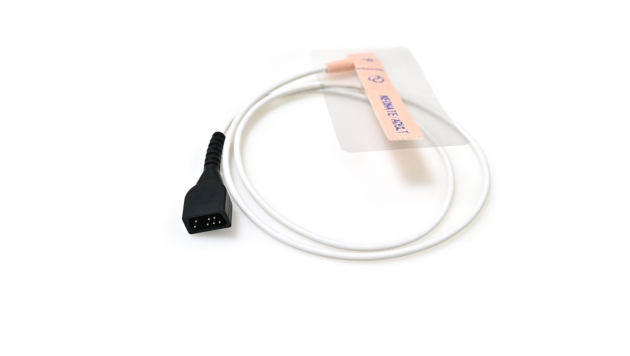
Why Disposable SpO2 Sensors Are Essential for Infection Prevention
Alignment with CDC and WHO Transmission-Based Precautions
Disposable SpO2 sensors play a key role in the infection control strategies recommended by both CDC and WHO. These devices were created to stop pathogens from spreading through equipment that gets contaminated during use. When we don't have to clean them again, it takes away all the guesswork from the cleaning process, which is actually where most problems happen. A study published in Clinical Microbiology back in 2024 found that human mistakes account for around 76% of failed disinfection attempts. Think about intensive care units, those high stress areas where patients are already really vulnerable. Research shows that about one third of all pathogen transfers there come from touching contaminated devices. That's why pre-sterilized single use sensors make so much sense they offer dependable protection every time. The CDC has made it clear that trying to reuse these disposable sensors isn't allowed because once they've been used, the materials start breaking down in ways that can't be fixed, and this affects both how strong they are and whether they stay sterile.
Evidence Linking Reused Disposable SpO2 Sensors to Healthcare-Associated Infections
Using disposable SpO₂ sensors multiple times isn't just against regulations, it actually poses serious risks to patient safety. Research keeps finding that these sensors hold dangerous germs at about four times the level found in brand new ones. What's worse, nearly two thirds of improperly cleaned sensors have stubborn biofilm growth. Look at what happened in an ICU study last year where hospitals cut down on healthcare associated infections by almost half after switching completely to single use sensors. The problem gets even bigger when we consider how the materials break down over time. After repeated cleaning cycles, sensor accuracy drops around 15 percent. That means doctors get unreliable readings which can lead to wrong treatment decisions all while patients face higher infection risks. No wonder why top health organizations put these reused sensors right at the top of their danger list for infections. There's clear proof these practices cause real harm when done incorrectly.
Real-World Hygiene Risks of Reusing Disposable SpO2 Sensors
Cross-Contamination Pathways: Skin Residue, Biofilm Formation, and Device Crevice Retention
There are actually three main ways that contamination spreads when medical sensors get reused, making this practice particularly risky. Skin stuff like oils, dead skin cells, and bacteria gets passed from one patient to another whenever these devices are applied. Then there's the problem of microbes sticking around and turning into tough biofilms on the sensor surfaces. A recent study back in 2023 showed that nearly three quarters of all reprocessed units had these stubborn biofilms forming, which protects nasty bugs like MRSA from regular cleaning products. Finally, the way these sensors are built creates tiny hiding spots where germs can survive normal cleaning routines. According to findings published in the Journal of Hospital Infection last year, almost seven out of ten reprocessed sensors still had live pathogens lurking in those hard to reach areas after cleaning, making them real trouble spots for hospital acquired infections.
Resource-Limited Settings: When 'Reuse' Becomes Routine—and Risky
When budgets are tight and resources scarce, many healthcare facilities simply ignore manufacturer guidelines and end up reusing items they're not supposed to. There just aren't enough staff members to keep up with the constant stream of patients, and most places still rely on hand washing instead of proper automated systems. The cleaning solutions used are often not tested properly, and people rarely wait long enough for them to work effectively. Recent research from 2024 looked at 150 different clinics and discovered something alarming: over half of them were reusing those little finger sensors for blood oxygen levels between five and eight times before tossing them out. Only about a third even bothered with official sterilization procedures. These makeshift cleaning approaches just can't get rid of stubborn bacteria buildup or reach into tiny cracks where germs hide. As a result, hospitals that reuse medical gear see nearly 30% more hospital-acquired infections than ones following standard single-use protocols according to Global Health Action's 2023 report. And it's always the most fragile patients who suffer the worst consequences from these shortcuts.
Regulatory and Clinical Validation of Disposable SpO2 Sensor Safety
FDA Post-Market Surveillance Findings and Labeling Compliance Requirements
According to FDA monitoring after products hit the market, most disposable SpO2 sensors approved via the 510(k) process stick pretty well to their intended usage guidelines. About 98 percent actually follow the rules about being used just once as stated on the packaging, according to the 2023 FDA Annual Report. When it comes to enforcing regulations, there are basically three main areas they look at closely. First, clear warnings on the packaging stating these devices should only be used once. Second, proper testing data showing how long these items stay sterile before expiration. And third, records about when materials start breaking down over time. Hospitals and clinics that properly label their equipment saw around 23% fewer cases of contamination last year compared to those who didn't follow the rules correctly. This shows pretty clearly that having straightforward regulations helps prevent infections in practice. Companies that don't specify exactly what their sterility limits are or try to suggest these sensors can be reused multiple times end up getting official warnings from regulators and forced to fix whatever problems they have.
Third-Party Sterility Testing and Bioburden Limits for Certified Disposable SpO2 Sensors
Certified disposable SpO2 sensors undergo rigorous, independent validation aligned with ISO 13485 quality management standards. Third-party testing enforces strict microbiological benchmarks:
| Test Parameter | Acceptance Criteria | Testing Frequency |
|---|---|---|
| Bioburden Levels | ≤100 CFU/device | Per manufacturing lot |
| Sterility Assurance Level | 10⁻⁶ probability of contamination | Quarterly validation |
| Material Cytotoxicity | Non-reactive (ISO 10993-5) | Annual revalidation |
Units exceeding bioburden or sterility thresholds are subject to immediate recall under FDA 21 CFR Part 806. Crucially, certification includes accelerated aging studies verifying that packaging barriers preserve sterility through the full labeled expiration period—a safeguard essential for immunocompromised patients whose safety depends on uncompromised device integrity.
FAQ
Are disposable SpO2 sensors reusable?
No, disposable SpO2 sensors are designed for single use only. Reusing them can lead to contamination and pose serious health risks.
What are the main risks of reusing disposable SpO2 sensors?
The main risks include cross-contamination, biofilm formation, and device crevice retention that can lead to hospital-acquired infections.
How do disposable SpO2 sensors help in infection prevention?
These sensors help prevent infection by eliminating the need for repeated cleaning, thus reducing the chances of human error and contamination.
What are the regulatory guidelines for using disposable SpO2 sensors?
According to the FDA, disposable SpO2 sensors should not be reused and must follow strict sterility and labeling guidelines to ensure patient safety.