 EN
EN

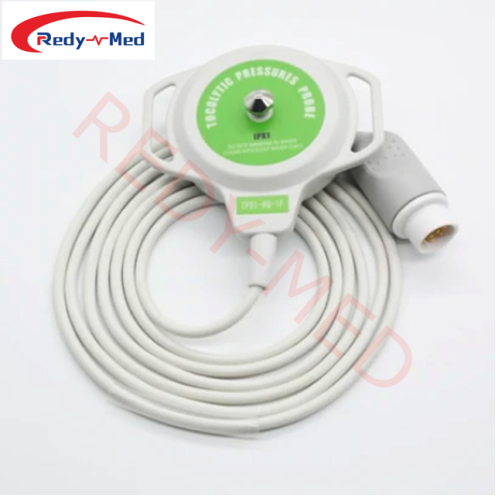
Non-Invasive Engineering Design of Fetal Monitor Probes
Low-Power Pulsed Doppler Technology and Automatic Output Limiting
Today's fetal monitor probes rely on pulsed Doppler tech that runs at power levels about 10 to 100 times lower compared to standard diagnostic ultrasound equipment. The reason for this drop in power? Instead of sending out constant signals like traditional methods do, these devices work with short bursts of sound waves. This approach really cuts down on heat buildup in the mother's body tissues. Most modern units come equipped with special circuits that kick in when things start getting too hot or loud near those safety limits set by regulators. These built-in safeguards help keep everything within what doctors call ALARA - which basically means keeping exposure as low as possible while still getting good results. Tests done in clinics show that even though they run at much lower power levels, these newer systems match up pretty well with older models, showing over 95% agreement rates during regular checkups both before and during labor.
Hypoallergenic, Skin-Safe Materials and Ergonomic, Water-Resistant Housing
The parts of these probes that come into contact with a mother's skin are made from medical grade silicone and phthalate free plastics that meet ISO 10993 standards for being safe against the body. This helps prevent allergic reactions when used for long periods during late pregnancy monitoring. The shape of the device has been designed to spread out pressure on the belly area so women don't feel as much discomfort even after wearing them for hours. The outer casing includes a water resistant seal rated at IPX7 level, which means it can withstand thorough cleaning between patients without damaging the sensitive components inside from getting wet. Such thoughtful engineering makes a big difference in maintaining proper hygiene protocols at busy maternity wards where equipment gets reused frequently throughout the day.
Safety Advantages of External Fetal Monitor Probes Over Internal Methods
The external fetal monitor probe gets rid of those invasive procedures needed when using internal monitors. Take fetal scalp electrodes for instance these require broken water and at least 2 centimeters of cervix opening before they can even be placed. With external probes working right on the mother's belly, there's no need to worry about spreading infections like HIV or hepatitis B from mother to baby. Plus, it stops those annoying scalp scrapes or blood clots that sometimes happen with internal methods. And let's not forget about the restrictions related to intact amniotic sacs or how far along labor has progressed. These external devices also spare moms from the bruises or cuts that come with inserting internal equipment. Since nothing actually goes inside the body, this approach works great across all types of pregnancies whether someone is considered high risk or not. That makes it a really good option for most situations where continuous fetal monitoring is needed during labor.
Clinical Hygiene Protocols and Real-World Safeguards for Fetal Monitor Probe Use
Single-Use Covers, EPA-Approved Disinfection, and Cross-Contamination Prevention
Keeping fetal monitor probes clean involves three main steps. First, doctors use disposable covers that let ultrasound waves pass through while keeping patients and equipment separate. Once these are taken off, the actual cleaning begins. Hospitals typically use strong disinfectants approved by the EPA that kill almost all germs including things like coronavirus, flu viruses, and drug-resistant bacteria without damaging the sensitive parts of the machine. But it's not enough just to apply the cleaner; staff need to follow strict timing rules and proper wiping techniques for everything to work right. Many clinics organize their storage areas with colors to help track cleanliness status - usually red means dirty stuff goes there, green indicates clean equipment ready for use. They also check regularly whether everyone is following these procedures according to Joint Commission guidelines. All these practices together help prevent infections from spreading between patients and keep the monitoring devices working properly even after being used countless times in different clinical settings.
FAQ
What materials are used in fetal monitor probes to ensure safety?
The probes utilize medical grade silicone and phthalate free plastics that meet ISO 10993 standards to prevent allergic reactions during prolonged use.
How do fetal monitor probes reduce the risk of overheating?
Pulsed Doppler technology is used, which operates at much lower power levels and includes built-in circuits to limit exposure and overheating.
Why are external fetal monitor probes preferred over internal methods?
External probes eliminate the need for invasive procedures, reduce infection risk, and work effectively across all pregnancy types without inserting equipment inside the body.
What protocols help maintain hygiene in the use of fetal monitor probes?
Single-use covers, EPA-approved disinfection, and storage procedures with cleanliness tracking are implemented to maintain hygiene and prevent cross-contamination.