 EN
EN

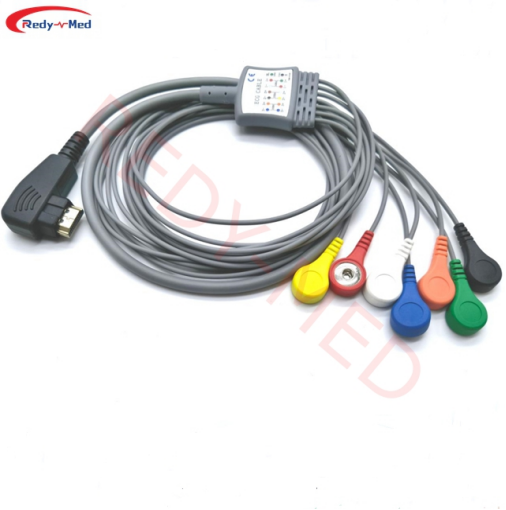
How Holter Cable Quality Directly Impacts ECG Signal Fidelity and Diagnostic Accuracy
Cable Integrity, Conductor Purity, and Shielding: Engineering Foundations of Clean Signal Transmission
The medical grade Holter cables we use today feature triple layer shielding that blocks around 90 percent of all the electromagnetic interference floating around hospitals and clinics. Inside these cables, oxygen free copper helps keep resistance stable when patients move around, which means those tiny voltage signals stay clear and readable. The twisted pair design actually cuts down on crosstalk problems by about half compared to older parallel wire setups, so doctors get cleaner waveforms without distortion messing up readings. We also coat everything in thermoplastic polyurethane or TPU for short, which lets the cables bend and twist over 50 thousand times without breaking down or causing static issues. All these engineering details matter because something as small as 100 microvolts of extra noise could hide important changes in the heart's electrical activity, making it harder to spot early signs of heart trouble like ischemia.
Motion Artifacts and Electrode-Cable Interface Noise: Why Subtle Degradation Compromises Rhythm Analysis
When shielding gets damaged or conductors start to wear out, they create this low frequency baseline wander that looks a lot like atrial fibrillation. Clinical studies show around 20 something percent of arrhythmia readings end up being false positives because of this issue. Problems also happen at those electrode junctions where connections come and go, creating these high impedance artifacts that basically hide the P waves. Makes it really hard to tell apart supraventricular from ventricular rhythms sometimes. And then there's abrasion causing current leakage which leads to ST segment drift that looks exactly like real ischemic patterns, especially during stress tests. All these issues mess with how accurate rhythm analysis can be, making it tough to spot those short lived events like paroxysmal tachycardia when someone is being monitored for longer periods.
Clinical Consequences of Substandard Holter Cables: From Missed Diagnoses to Patient Safety Risks
Case Evidence: Arrhythmia Underdetection Linked to Cable-Induced Baseline Wander and ST-Drift
Poor quality Holter cables can really mess up diagnoses because they fail in two main ways: baseline wander and ST-segment distortion problems. When the shielding gets damaged or conductors break down, it creates low frequency noise that makes P-waves hard to see and might incorrectly point to atrial arrhythmias. At the same time, when electrodes don't connect properly to cables, we get this thing called ST-segment drift. Even a small shift of about 0.15 mV could look like heart trouble or hide actual issues. Looking at clinical data, around one out of every six unclear Holter results comes from these kinds of cable problems. This leads to lots of patients getting referred for extra cardiac tests they don't actually need.
Research published in JAMA Internal Medicine back in 2018 showed that when patients wore cables for monitoring, they ended up with about 22% more false positive readings for arrhythmias compared to folks using proper medical equipment. The same study noted a 14% lower detection rate for ventricular tachycardia as well, which meant critical treatments were delayed in around 3% of high risk cases. These constant false alarms wear down doctors over time, creating what's called alert fatigue. And let's not forget the money aspect either. According to the Ponemon Institute from 2023, all this extra testing adds roughly $740 to each patient's bill. That's quite a hit on both clinical judgment and hospital budgets.
| Failure Mode | Clinical Consequence | Diagnostic Impact |
|---|---|---|
| Baseline wander | Mimics atrial fibrillation | 34% false positives (CardioLab 2022) |
| ST-segment drift | Masks myocardial ischemia | 12% missed STEMI equivalents |
| Intermittent contact | Creates pause-like artifacts | Unnecessary pacemaker referrals |
These outcomes confirm that cable integrity is not merely an engineering specification—it is a patient-safety imperative. Facilities implementing routine cable inspections reduced diagnostic discrepancies by 67% within six months, demonstrating that reliable Holter cable performance is foundational to actionable cardiac data.
Material Science and Regulatory Standards: What Defines a Medical-Grade Holter Cable?
Biocompatible Polymers, Flex-Life Durability, and ISO 13485 Compliance in Holter Cable Manufacturing
Holter monitoring cables designed for medical applications need special materials and must pass strict regulatory checks before they hit the market. These cables are made with biocompatible polymers that don't contain latex, phthalates, or anything that might irritate the skin. They also stand up well against common hospital disinfectants and keep electrodes stuck properly even after wearing them for long periods. When it comes to how long these cables last through repeated bending, there's no room for compromise. High quality medical cables can handle more than 10,000 bends without showing any signs of wear, which puts them light years ahead of regular consumer grade options. Inside these cables, stranded oxygen free copper works together with multiple layers of shielding to block out electromagnetic interference from places like MRI rooms and other hospital equipment. This protection is crucial because interference can mess up important readings such as pacemaker signals or changes in heart activity patterns.
ISO 13485 certification is the gold standard for manufacturing consistency in medical devices. It mandates full traceability for every material batch and requires accelerated aging simulations, tensile stress testing, and impedance validation. This framework ensures cables perform reliably across real-world ambulatory conditions—where diagnostic confidence hinges on consistent signal transmission.
Selecting High-Quality Holter Cables: A Practical Guide for Clinics and Cardiology Labs
There are three main things to look at when picking out Holter cables if we want accurate diagnoses. Number one on the list is checking for ISO 13485 certification. This basically means the manufacturer follows those global quality standards for medical gear, so we know they track materials properly and validate their manufacturing processes. The second thing worth looking into is how flexible the cable actually is. Medical grade TPU material needs to handle around ten thousand bends before showing any sign of increased resistance. And finally, take a close look at the shielding design. Cables with both foil and braid layers cut down on electromagnetic interference by about ninety percent compared to just having one layer of shielding, according to various studies in electrophysiology journals.
Clinics should integrate routine cable integrity checks using micro-ohm meters to detect internal fractures before they manifest as signal distortion; even a 5 µΩ resistance rise can alter ST-segment morphology during extended monitoring. Proactive maintenance—not just replacement upon failure—is key to sustaining signal fidelity and protecting diagnostic validity.
FAQ
What is the importance of Holter cable integrity?
Holter cable integrity impacts the fidelity of ECG signals, crucial for accurate cardiac diagnostics. Poor quality cables can introduce noise and artifacts that mimic or hide real cardiac conditions, leading to misdiagnoses and unnecessary treatments.
How often should Holter cables be inspected?
Routine inspections are recommended regularly, ideally before each use and during scheduled equipment maintenance cycles, to ensure cables are free from damage and signal interference is minimized.
What materials should a high-quality Holter cable have?
A high-quality Holter cable should be made of biocompatible polymers, oxygen-free copper conductors, and should feature multiple layers of shielding to reduce electromagnetic interference.
Table of Contents
- How Holter Cable Quality Directly Impacts ECG Signal Fidelity and Diagnostic Accuracy
- Clinical Consequences of Substandard Holter Cables: From Missed Diagnoses to Patient Safety Risks
- Material Science and Regulatory Standards: What Defines a Medical-Grade Holter Cable?
- Selecting High-Quality Holter Cables: A Practical Guide for Clinics and Cardiology Labs
- FAQ