 EN
EN

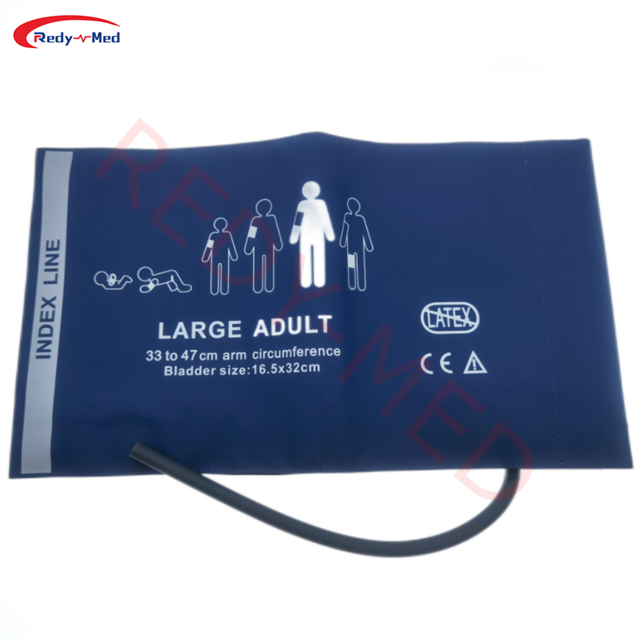
Why Age-Appropriate NIBP Cuff Sizing Is Critical for Clinical Accuracy
Getting accurate blood pressure readings really depends on using the right size NIBP cuff for different age groups. When the cuffs don't match properly, they create big problems. For kids, too small cuffs can make their systolic pressure look 8 to maybe even 15 mmHg higher than it actually is. Adults who wear cuffs that are too large tend to get readings that are off by around 4 or 5 mmHg lower (as reported in JAMA Internal Medicine back in 2023). These kinds of mistakes matter a lot when doctors are trying to diagnose high blood pressure. About one out of every three incorrect diagnoses happens because someone picked the wrong cuff size altogether (Smith and colleagues found this in their 2023 research). Babies need special finger cuffs that meet certain standards set by ISO 81060-2, while teenagers often fall into a tricky middle ground where regular adult cuffs just won't work right and could falsely suggest they have high blood pressure. According to guidelines from the American Heart Association, the width of the cuff bladder should be somewhere between 37% and 50% of what we call the mid-upper arm circumference. This simple adjustment alone cuts down measurement errors by roughly two thirds according to AAFP recommendations from last year. And let's not forget, people who aren't monitored correctly based on their age face almost double the cardiovascular risks over five years compared to those who receive proper monitoring.
Evidence-Based NIBP Cuff Selection Guidelines by Age Group
Neonates and infants (0–1 month): Finger and ultra-small limb cuffs with ISO 81060-2 validation requirements
Babies less than a month old need special finger cuffs or really tiny limb cuffs because their blood vessels are so small. The medical community has set standards through ISO 81060-2 that basically demand these little devices pass strict tests for measuring both systolic and diastolic pressures accurately. Getting the right size matters a lot. The bladder part of the cuff needs to cover somewhere between three quarters and the full length of the baby's upper arm otherwise readings get messed up. If the cuff is too small, it might show a systolic pressure that's actually 10 to 15 mmHg higher than reality. Big cuffs aren't good either since they tend to squish surrounding tissue instead of just the artery. Most NICUs focus on getting equipment with tapered ends and those tiny hook fasteners that don't irritate newborn skin but still hold securely during monitoring.
Children (1 month–12 years): Arm circumference–driven sizing aligned with AAP/AHA standards
Accurate pediatric measurements demand strict adherence to mid-upper arm circumference assessments. The American Academy of Pediatrics (AAP) and American Heart Association (AHA) recommend cuff bladder widths equaling 40% of arm circumference, with lengths covering 80–100% of the limb. Consider these evidence-based ratios:
| Arm Circumference | Bladder Width | Cuff Category |
|---|---|---|
| 16–21 cm | 6–8 cm | Pediatric |
| 22–26 cm | 9–10 cm | Child |
Using standard adult cuffs on arms under 26 cm elevates systolic misdiagnosis risks by 23% (AHA 2023). Tapered designs with dual-length straps accommodate growth variations while maintaining arterial occlusion integrity.
Adolescents and adults (≥13 years): Transition to standard adult cuff ratios and revalidation protocols
When selecting blood pressure cuffs for patients aged 13 and older, healthcare providers should consider arm circumference measurements as part of regular checkups. Standard size cuffs generally work for arms measuring between 25 to 34 centimeters around, while larger ones are needed for those with 35 to 44 cm circumference. The bladder inside the cuff needs to be about 40% of the arm's total girth to ensure accurate readings and prevent misleading results. It's important to reassess cuff fit annually because significant weight changes (more than 10%) can affect how well the cuff works, especially since fat distribution changes the way pressure is applied during measurement. Getting this right matters a lot actually - studies show that incorrect cuff sizing after transitioning to adult sizes leads to roughly one out of every seven hypertension cases being falsely diagnosed among young adults.
Common NIBP Cuff Errors and Their Impact on Blood Pressure Readings
Oversized NIBP cuff: Systematic systolic underestimation (−4–5 mmHg) in adults; overestimation (+8–15 mmHg) in toddlers and young children
When someone uses an oversized NIBP cuff, it messes up how blood vessels get blocked during measurement, which leads to wrong readings. For grownups, this usually means systolic pressure gets underestimated, while for little kids, it actually gets overestimated. This matters a lot in treating children because their arms come in all different sizes and shapes, so getting accurate measurements is absolutely essential. Studies have shown that putting big cuffs on small arms can make systolic pressure look higher by around 8 to 15 mmHg. That kind of mistake might hide real low blood pressure issues or delay needed treatment. Generally speaking, these problems happen when the inside part of the cuff is wider than half the size of the middle part of the arm. A recent trial called Cuff(SZ) published in JAMA Internal Medicine back in 2023 found that most automatic machines tend to give falsely high numbers consistently when using improper sizing.
Undersized NIBP cuff: False hypertension diagnosis and unnecessary clinical intervention
An undersized cuff dangerously compresses arteries, generating falsely high pressure readings that may trigger unnecessary interventions. This error elevates systolic readings by 8–10 mmHg in adults and up to 15 mmHg in infants, increasing hypertension misdiagnosis rates by 30%. Consequences include:
- Unwarranted antihypertensive prescriptions
- Emergency department overtriage for non-existent hypertensive crises
- Cardiovascular risk stratification errors per AHA guidelines
Prevention requires strict adherence to international sizing guidelines where cuff bladders must cover ≥75% of arm length and 37–50% of arm circumference—depending on age group—to ensure physiologically appropriate occlusion.
FAQ
Why is correct NIBP cuff sizing important?
Correct NIBP cuff sizing is crucial for accurate blood pressure readings, which directly affect the diagnosis and treatment of hypertension and cardiovascular risks.
How does oversized cuff impact blood pressure readings?
Using an oversized cuff typically leads to an underestimation of systolic pressure in adults and an overestimation in young children, resulting in potential misdiagnosis.
What are the recommendations for pediatric cuff sizing?
The American Academy of Pediatrics and the American Heart Association recommend that cuff bladder widths should equal 40% of arm circumference with lengths covering 80–100% of the limb for accurate readings in children.
How are adolescents' and adults' NIBP cuff needs different?
Adolescents and adults require standard adult cuff ratios, but it's important to reassess cuff fit annually, especially after significant weight changes, to ensure accuracy.
Table of Contents
- Why Age-Appropriate NIBP Cuff Sizing Is Critical for Clinical Accuracy
-
Evidence-Based NIBP Cuff Selection Guidelines by Age Group
- Neonates and infants (0–1 month): Finger and ultra-small limb cuffs with ISO 81060-2 validation requirements
- Children (1 month–12 years): Arm circumference–driven sizing aligned with AAP/AHA standards
- Adolescents and adults (≥13 years): Transition to standard adult cuff ratios and revalidation protocols
- Common NIBP Cuff Errors and Their Impact on Blood Pressure Readings
- FAQ