 EN
EN

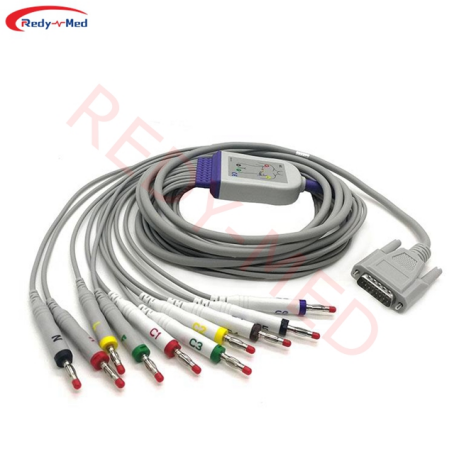
Why EKG Cable Quality Directly Impacts Diagnostic Accuracy
EKG cables are basically what carry those important electrical signals from the heart to the monitoring machines, which makes them pretty essential for figuring out what's going on with someone's heart. Good quality cables come with things like proper medical shielding, strong strain relief points, and often use copper conductors that don't have oxygen impurities. These features help keep the signals clean and clear. When cables lack these basics, all sorts of problems happen. Hospital equipment generates electromagnetic interference all day long, and when patients move around during tests, their movements create motion artifacts too. Both of these factors can mess up the waveform patterns we see on screen, making it hard to tell if something is actually wrong or if the machine is just giving us garbage data.
Poor quality cables can lead to misinterpretations in clinical environments as high as 47% according to research from the Cardiovascular Engineering Journal back in 2022. When cables lack proper shielding, electromagnetic interference often gets mistaken for dangerous heart rhythms or hides important ST segment changes that point to heart attacks. Better cables with twisted conductors cut down on cross talk problems by around 60% when compared with flat cable designs. This makes sure subtle rhythm issues don't go unnoticed. Strong connectors keep good electrical connections even after being bent and moved around many times, so signals stay stable when patients shift positions. Reliable equipment means fewer false alarms for staff, less tired clinicians dealing with constant interruptions, and faster diagnoses overall. These improvements translate directly into better data for decision making, fewer wrong diagnoses happening, and treatments based on solid evidence rather than guesswork.
Signal Integrity: Shielding, Noise Reduction, and EMI Resistance in EKG Cables
How shielding and insulation preserve cardiac waveform fidelity
The best EKG cables come with multiple layers of shielding that usually includes braided copper along with aluminum foil. This setup blocks electromagnetic interference coming from things like MRI machines, defibrillators, and all sorts of other medical gear found in clinics. These shields cut down on background noise by around 92%, and when they work together with some pretty smart filtering software, they knock out those pesky 50/60 Hz power line signals too. Clinical studies show this actually reduces baseline wander problems by about 41% according to a report from Clinical Electrophysiology Review back in 2023. When doctors need to see those tiny details that matter so much for diagnosis, like when there's an ST segment going up or T waves flipping upside down, these features stay visible even in noisy environments. We saw some real world results during emergency transports where shielded cables got it right 92 times out of 100 compared to only 67% success rate with regular cables without proper shielding, as noted in Cardiovascular Engineering journal last year.
EMI mitigation as a core function of premium EKG cable design
Premium EKG cables engineer EMI resistance through three integrated elements:
- Twisted-pair conductors, which cancel magnetic field interference via phase opposition
- Ferrite beads, absorbing high-frequency noise at the connector interface
- Conductive hydrogels, ensuring stable skin-electrode contact even during motion
Together, these features limit signal artifacts to under 5 microvolts—meeting ANSI/AAMI EC13:2023 standards for electrocardiographic devices. Hospitals using such shielded systems report 43% fewer repeat stress tests due to reliable signal clarity in high-interference environments like ICUs (Cardiovascular Engineering, 2023), directly safeguarding against delayed interventions.
Clinical Reliability: Durability, Connector Integrity, and Long-Term EKG Cable Performance
Material resilience and bend fatigue resistance in high-use clinical settings
Hospital settings put serious wear on EKG cables through constant bending, frequent disinfection, and all sorts of physical stress that wears them down faster than expected. The best quality cables incorporate special materials called thermoplastic elastomers (TPE) which are both flexible and tough against tearing. These materials can handle around 10,000 bends before breaking down, so they keep signals stable even when patients move around or get repositioned during tests. According to recent studies published in the Journal of Clinical Engineering back in 2023, about one out of every eight cardiac monitoring issues actually comes from faulty cables. That's why manufacturers focus so much on strengthening those connection points where cables attach to equipment. When these connections stay intact, doctors see clearer waveforms on their screens, making it easier to spot problems early on without second guessing what they're seeing.
Oxidation-resistant connectors and consistent electrical contact for repeatable signal transmission
The quality of signals relies heavily on good cables, but just as important are those connections between electrodes and skin, plus how well the connectors stay in place. When nickel plated connectors start to oxidize, this creates problems with impedance that messes up ST segments and makes background noise worse. This happens quite often in places where there's lots of moisture or equipment gets used constantly throughout the day. Gold plated connectors tell a different story though. They can keep resistance below 5 ohms even after being plugged and unplugged over 500 times, so they last much longer without introducing noise compared to regular connectors. Medical facilities that switched to these oxidation resistant options have seen around 40 percent reduction in signal artifacts during stress tests. For doctors looking at heart rhythms, this means better visibility when spotting small changes in arrhythmias and making accurate comparisons between successive waveforms.
Selecting the Right EKG Cable: A Practical Framework for Healthcare Procurement Teams
When healthcare procurement folks go shopping for EKG cables, they need to balance both clinical effectiveness and how well these things hold up over time. Start looking at materials first. Medical grade silicone or TPUs work best because they stay flexible even after getting blasted with disinfectants again and again. These materials keep their insulation properties intact longer, which means fewer replacements down the road. The connections matter too. Most breakdowns happen where the cable bends, accounting for around two thirds of all early failures according to those clinical engineering reports we've seen. Make sure the cables will actually work with what's already in place at the facility. Oxidation resistant connectors are worth fighting for since they help maintain stable signals during those long monitoring sessions. Length is another consideration point. Six to eight feet seems ideal most of the time, giving patients enough room to move without picking up unwanted electrical noise. And don't forget about colors! Standardizing colors across different units makes setup faster and reduces mistakes during configuration by about 40 percent based on hospital efficiency data. All these factors together create better diagnostic results while keeping costs reasonable in cardiac care environments.
FAQ
What is the primary function of EKG cables?
EKG cables carry electrical signals from the heart to monitoring machines essential for accurate cardiac diagnosis.
Why is shielding important in EKG cables?
Shielding blocks electromagnetic interference, ensuring clear signal reception and reducing misinterpretations.
What materials are best for EKG cable connectors?
Gold plated connectors are preferred as they resist oxidation better and maintain stable electrical contact.
How do healthcare procurement teams select the best EKG cables?
Teams focus on materials, connector integrity, length, and standardizing colors to balance effectiveness and durability.
Table of Contents
- Why EKG Cable Quality Directly Impacts Diagnostic Accuracy
- Signal Integrity: Shielding, Noise Reduction, and EMI Resistance in EKG Cables
- Clinical Reliability: Durability, Connector Integrity, and Long-Term EKG Cable Performance
- Selecting the Right EKG Cable: A Practical Framework for Healthcare Procurement Teams
- FAQ