 EN
EN

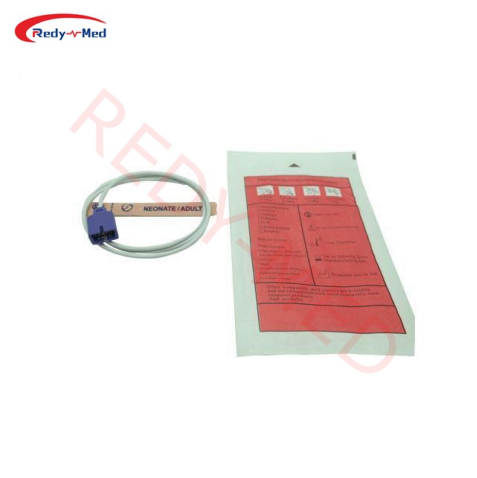
Preventing Healthcare-Associated Infections with Disposable SpO2 Sensors
Evidence Linking Single-Use SpO2 Sensors to Reduced HAIs in High-Risk Units
Infections picked up during hospital stays continue to be a major problem for intensive care units and operating rooms. The issue gets worse because many monitoring tools get used again and again, spreading tough-to-treat germs through their surfaces. That's where disposable SpO2 sensors come in handy. These one-time use devices arrive already sterile and don't need any cleaning or sterilization process at all. Hospitals that switched to these disposables have seen infection rates drop by around 30 to 40 percent. Most of these reductions happen because there's no chance of passing germs from one patient to another, plus mistakes during cleaning just don't occur anymore. This matters a lot for patients whose immune systems aren't working properly. Regular sensors tend to collect bacteria in hard to reach spots even after they've been cleaned thoroughly. With disposable options, there's simply nothing left behind when moving from one patient to the next.
ICU Workflow Efficiency: Why Disposable SpO2 Sensors Cut Disinfection Delays and Human Error
The whole process of cleaning and reusing sensors ends up creating major workflow problems. A full disinfection cycle takes anywhere from 12 to 18 minutes just for chemical treatment, rinsing, drying, and then checking everything off the list. When hospitals are swamped with patients coming in, these delays really slow things down and pull nurses away from actual patient care tasks. That's where disposable SpO2 sensors come in handy. They cut down equipment turnaround time by around 70%, according to what we've seen. Medical staff can just throw away old sensors and put on fresh sterile ones whenever needed. This approach helps avoid those situations where protocols get skipped because someone is rushing through disinfection or when improperly dried units lead to cross contamination issues. Plus it eases pressure on housekeeping teams who would otherwise have to handle all that cleaning work. The faster turnaround means doctors don't miss important assessments related to blood flow and oxygen levels. And let's not forget about human error either, which plays a role in roughly one out of every four infections linked to reused sensors based on available data.
Meeting and Exceeding Infection Control Standards
Compliance with CDC, WHO, and Joint Commission Guidelines for Single-Use Monitoring Devices
Hospitals around the world need to follow strict rules set by major health organizations to stop germs from spreading between patients. According to the Centers for Disease Control updated guidance in 2024, they strongly advise getting rid of reusable medical gear whenever there's a good single-use option available. They specifically point out monitoring equipment as a big risk because pathogens can stick to surfaces and jump from one patient to another. Research from the World Health Organization shows that cleaning reusable sensors takes anywhere from 12 to 18 minutes each time someone uses them. But let's face it – this cleaning process isn't always done properly, and studies show it contributes to about 37% of hospital infections acquired in intensive care units through contaminated devices. Single use SpO2 sensors actually fit what the Joint Commission requires in their 2024 standard IC.07.01.01 for handling patients with fevers or breathing issues. When hospitals switch to disposable options instead of relying on repeated cleaning cycles, they avoid problems with incomplete records in their sterilization logs, protect staff members who otherwise handle harsh chemicals, and don't have to worry about running out of cleaning supplies. Many facilities report cutting down on compliance issues during audits by almost 60% after making this change.
Balancing Clinical Safety, Cost, and Sustainability
Total Cost of Ownership: Reusable Sensors vs. Disposable SpO2 Sensors
At first glance, reusable sensors seem like they save money, but there are plenty of hidden costs to consider. Think about all the time technicians spend cleaning them at around $15 to $25 an hour. Then factor in disinfectants that run about half a dollar to two bucks per cycle, plus regular maintenance on sterilization equipment. Mid sized hospitals actually end up spending around seven hundred forty thousand dollars a year just keeping these sensors going according to Ponemon Institute data from last year. Switching to disposable SpO2 sensors cuts out all those extra expenses completely. Better yet, they help avoid infections that lead to readmissions costing roughly forty five grand each time patients come back according to CDC stats. Looking at things holistically, when hospitals see fewer hospital acquired infections and lower legal risks, the return on investment becomes pretty clear for disposables while also supporting better patient safety practices across the board.
Eco-Conscious Design: Advances in Low-Impact Materials for Disposable SpO2 Sensors
Sustainability concerns are increasingly addressed through material science innovation:
- Biomass-balanced thermoplastic polyurethanes (TPUs) reduce fossil fuel dependence by 30–40% without compromising medical-grade sterility or signal fidelity
- Plant-based polymer blends enable industrial composting compatibility while maintaining optical performance
- Recyclable packaging designs cut plastic volume by 50% versus first-generation disposables
These advances demonstrate how modern disposable SpO2 sensors support both rigorous infection control and environmental stewardship.
Patient-Centered Benefits of Disposable SpO2 Sensors
Getting rid of reusable SpO2 sensors means no more worries about germs spreading from one person to another. The single use approach stops pathogens from jumping between patients, which is especially important for those with weakened immune systems. Some studies have found that switching to disposable options can cut down hospital acquired infection rates by around 30 percent or so. Patients find comfort in the fact that these sensors are made with materials that won't cause allergic reactions and fit better on their skin without leaving painful marks after long periods of wear. Another plus is they don't leave behind any irritating chemicals from cleaning processes used on reused equipment. All these factors together help make patients feel more at ease during their stay, encouraging them to stick with necessary monitoring routines. This makes sense for both short term hospital visits and longer term care situations where keeping things clean matters most.
FAQ Section
What are healthcare-associated infections (HAIs)?
Healthcare-associated infections (HAIs) are infections that patients acquire during the course of receiving treatment for other conditions within a healthcare setting.
Why are disposable SpO2 sensors beneficial?
Disposable SpO2 sensors help prevent the spread of germs between patients, reduce disinfection delays, minimize human error, and comply with infection control standards.
What are the cost implications of using disposable SpO2 sensors?
While disposable sensors might have an upfront cost, they eliminate hidden costs associated with cleaning and maintaining reusable sensors, potentially leading to a better return on investment.
How do disposable SpO2 sensors contribute to sustainability?
Disposable sensors are designed with eco-conscious materials, reducing fossil fuel dependence, enabling compostability, and minimizing plastic waste through recyclable packaging.
Table of Contents
-
Preventing Healthcare-Associated Infections with Disposable SpO2 Sensors
- Evidence Linking Single-Use SpO2 Sensors to Reduced HAIs in High-Risk Units
- ICU Workflow Efficiency: Why Disposable SpO2 Sensors Cut Disinfection Delays and Human Error
- Meeting and Exceeding Infection Control Standards
- Balancing Clinical Safety, Cost, and Sustainability
- Patient-Centered Benefits of Disposable SpO2 Sensors
- FAQ Section