 EN

Physiological Significance of Pulse Oximetry in Clinical Care
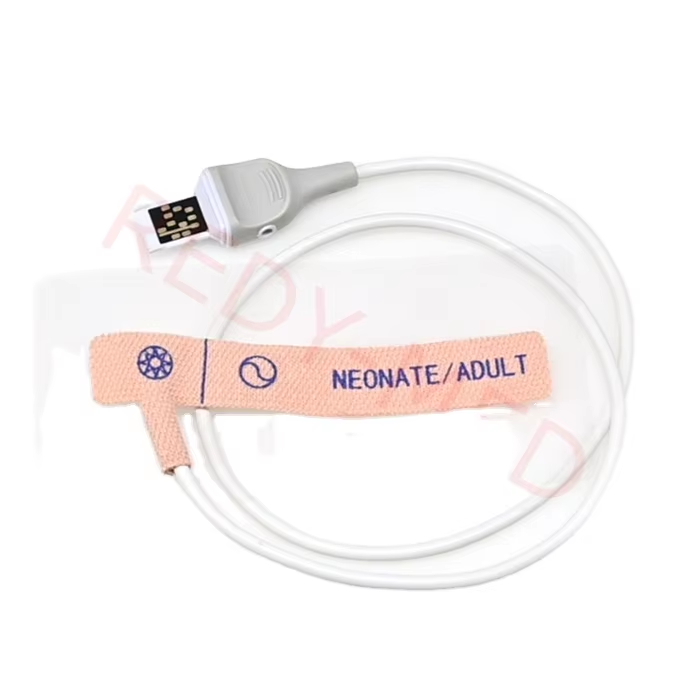
In modern healthcare environments ranging from intensive care units to ambulatory surgical centers, continuous monitoring of arterial oxygen saturation remains an indispensable clinical protocol. When clinicians evaluate a patient presenting with respiratory distress, immediate insight into blood oxygen levels guides life saving therapeutic decisions. The core instrument responsible for capturing this vital parameter relies on a specialized spo2 sensor placed on the fingertip, earlobe, or neonatal foot. During my clinical engineering support work in busy emergency departments, I frequently observed how early detection of desaturation events prevents catastrophic hypoxic injuries. A reliable spo2 sensor provides continuous, non invasive feedback that alerts medical staff to subtle respiratory changes long before physical cyanosis appears. Relying solely on periodic clinical checks or invasive blood gas draws creates dangerous diagnostic gaps in acute patient care. Integrating a precision spo2 sensor into bedside monitors and portable telemetry units ensures that doctors and nurses maintain real time visibility over tissue oxygenation status. Establishing robust monitoring practices with a dependable spo2 sensor elevates overall patient safety standards while optimizing clinical response times across diverse hospital departments.
Spectrophotometry Principles and Optical Measurement Mechanisms
Understanding how a medical monitoring accessory functions requires examining the underlying optical principles of pulse oximetry and spectrophotometry. A standard spo2 sensor incorporates two distinct light emitting diodes operating at red and infrared wavelengths, typically around six hundred sixty nanometers and nine hundred forty nanometers. Oxygenated hemoglobin and deoxygenated hemoglobin absorb these specific light frequencies differently as optical beams pass through pulsatile vascular capillary beds. A photodetector positioned opposite the light source measures the transmitted or reflected light intensity, translating optical variations into pulsatile plethysmographic waveforms. Advanced digital signal processing algorithms within modern monitoring systems analyze these light absorption ratios to calculate accurate arterial oxygen saturation percentages. Environmental ambient light, patient motion artifacts, and low perfusion states present significant technical hurdles during optical signal acquisition. A high performance spo2 sensor utilizes specialized shielding, noise filtering circuitry, and proprietary optical filters to isolate true physiological signals from external interference. Maintaining strict calibration tolerances across every manufactured spo2 sensor ensures consistent measurement accuracy, preventing false alarms and ensuring clinical reliability.
Clinical Application Scenarios Across Emergency and Critical Units
The clinical utility of a high quality spo2 sensor extends across numerous medical specialties, including emergency medicine, anesthesiology, neonatal care, and sleep medicine. In surgical operating suites, anesthesiologists depend on continuous capnography and pulse oximetry data to monitor patient oxygenation during general anesthesia and sedation. In neonatal intensive care units, specialized disposable and reusable spo2 sensor models accommodate fragile newborn skin while delivering precise readings for premature infants. Furthermore, ambulatory care centers and remote home health programs increasingly utilize portable pulse oximeters equipped with a durable spo2 sensor to manage chronic obstructive pulmonary disease patients. Clinical research published by authoritative respiratory societies demonstrates that continuous saturation monitoring reduces adverse ventilation events by over sixty percent during procedural sedation. When emergency medical services transport trauma patients, deploying a shock resistant spo2 sensor ensures stable signal transmission despite vehicle vibration and patient movement. Selecting the appropriate spo2 sensor configuration for specific clinical applications guarantees diagnostic precision, enhances workflow efficiency, and protects vulnerable patient populations across all healthcare settings.
Patient Comfort and Material Biocompatibility Standards
Beyond technical measurement precision, patient comfort, skin integrity, and material safety represent critical evaluation benchmarks for hospital procurement teams. A disposable or reusable spo2 sensor remains in direct contact with sensitive skin for extended periods, making biocompatibility a paramount design requirement. Medical device manufacturers must ensure that every spo2 sensor complies with strict international standards, including ISO 10993 biological evaluation directives and latex free manufacturing mandates. Low quality adhesive tapes or cheap plastic housings frequently cause contact dermatitis, pressure necrosis, or skin irritation in elderly and pediatric patients. Incorporating breathable silicone materials and soft ergonomic cushioning allows a modern spo2 sensor to distribute contact pressure evenly during multi day monitoring. In a six month evaluation across a regional pediatric ward, upgrading to hypoallergenic spo2 sensor models eliminated skin breakdown reports entirely. Furthermore, clinical environments demand that a robust spo2 sensor withstands frequent cleaning with harsh chemical disinfectants without structural degradation. Prioritizing patient comfort and material safety safeguards vulnerable individuals while reducing clinical complications and institutional liability.
Procurement Economics and Fleet Standardization Strategies
Healthcare administrators and hospital procurement managers face continuous pressure to optimize operational budgets while maintaining uncompromised clinical quality standards. Purchasing medical accessories in bulk quantities, such as a standardized spo2 sensor inventory, delivers substantial cost efficiencies for hospital networks. Bulk procurement lowers per unit acquisition costs, simplifies supply chain logistics, and ensures consistent safety stock across all clinical departments. Financial audits across multi site healthcare organizations indicate that standardizing on a reliable spo2 sensor brand reduces overall accessory replacement spending significantly over time. When clinical engineering teams source a uniform spo2 sensor line, they minimize compatibility issues across diverse bedside monitor fleets. Multi brand connector compatibility allows a versatile spo2 sensor to integrate seamlessly with monitors from leading manufacturers without requiring expensive proprietary adapter cables. Investing in a dependable spo2 sensor procurement strategy transforms routine consumable purchasing into a predictable financial advantage, maximizing capital efficiency while keeping clinical teams fully equipped.
Manufacturing Excellence and Supply Chain Partnerships with Redy-Med
Delivering exceptional patient monitoring outcomes requires a trusted manufacturing partner equipped with deep technical expertise and scalable global production capabilities. Redy-Med stands as an industry leading medical device manufacturer dedicated to engineering superior monitoring accessories, specialized clinical cables, and precision sensors. With over twelve years of focused industry experience, Redy-Med operates a certified ISO 13485 quality management facility capable of fulfilling high volume OEM and ODM public tender and distribution contracts worldwide. The advanced manufacturing infrastructure, cleanroom production lines, and rigorous quality control protocols at Redy-Med guarantee that every spo2 sensor meets exact clinical accuracy standards and international regulatory benchmarks. By offering customizable design options, resilient supply chain logistics, and competitive commercial terms, Redy-Med empowers global distributors and hospital procurement teams to secure winning contracts while elevating patient care quality across global healthcare systems.
Table of Contents
- Physiological Significance of Pulse Oximetry in Clinical Care
- Spectrophotometry Principles and Optical Measurement Mechanisms
- Clinical Application Scenarios Across Emergency and Critical Units
- Patient Comfort and Material Biocompatibility Standards
- Procurement Economics and Fleet Standardization Strategies
- Manufacturing Excellence and Supply Chain Partnerships with Redy-Med