 EN
EN

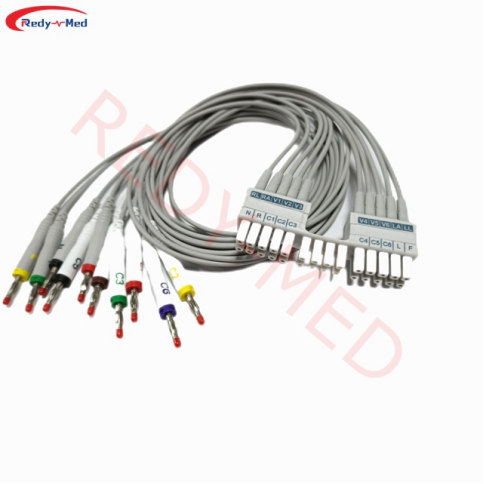
Proper Cleaning and Disinfection to Prevent EKG Cable Degradation
Daily cleaning protocols that preserve PVC and TPE cable jacket integrity
After using EKG cables, it's best practice to wipe them down gently with pH neutral cleaners and soft microfiber cloths. Pay special attention to those connector areas since dirt tends to build up there over time and can actually speed up cable degradation. Don't go crazy with scrubbing either because rough handling might create tiny tears in the insulation that let moisture in and start corrosion problems. When dealing specifically with PVC cables, stay away from strong alkaline solutions over pH 10 as these can wash out the plasticizers that keep the material flexible. TPE cables are a bit tougher on the pH front but watch out for acetone based cleaners which will break them down pretty quickly. Studies show regular gentle maintenance like this can make cable jackets last about 30 to 40 percent longer than if we wait until they're already damaged before cleaning (the Medical Materials Durability Report from 2023 backs this up).
Selecting EPA-registered vs. alcohol-based disinfectants for EKG cable safety
Getting the right balance between infection control and how materials hold up is really important in medical settings. Hospital grade disinfectants that have EPA registration can knock out those nasty healthcare pathogens without messing up PVC or TPE materials, as long as they're applied according to what the manufacturer says about concentration levels and how long they need to sit. On the flip side, alcohol based cleaners with over 60% isopropyl work fast against microbes but come with their own problems. They tend to dry out polymers over time. After repeated applications, TPE gets harder and PVC starts to change color, which makes both materials less flexible and affects how well signals transmit through them. This matters a lot for equipment that needs to maintain certain physical properties during regular cleaning routines.
| Disinfectant Type | Material Safety | Optimal Use Frequency |
|---|---|---|
| EPA-registered | Non-damaging to polymers | After every patient use |
| Alcohol-based | Causes polymer dehydration | Emergency use only |
Quaternary ammonium compounds (QUATs) are ideal for routine disinfection—proven to achieve ≈99.9% pathogen reduction while preserving cable performance. Reserve alcohol wipes for urgent turnover situations, always following up with scheduled EPA-registered cleaning to mitigate long-term material stress.
Routine Inspection and Functional Testing for Early EKG Cable Failure Detection
Routine inspections and functional testing detect degradation before it compromises diagnostic accuracy. Conduct these assessments quarterly—or immediately after high-volume clinical periods—to identify subtle failures early.
Visual inspection checklist: kinks, cracks, connector corrosion, and shielding damage
Examine every cable segment and connector using this focused visual checklist:
- Jacket integrity: Deep cracks, localized stiffening, or yellowing in PVC/TPE materials
- Physical trauma: Kinks, crushing, or stretched segments that impair flexibility or strain internal conductors
- Connector issues: Corrosion on pins, bent terminals, cracked housings, or loose locking mechanisms
- Shielding damage: Frayed ground wires, exposed braided shielding, or compromised drain wire continuity
Discard any cable exhibiting these signs immediately—such flaws introduce signal artifacts, increase electrical noise, or pose shock hazards.
Electrical continuity and impedance testing to verify signal fidelity in EKG cables
Functional electrical testing validates the integrity of the entire signal pathway:
- Continuity checks using a multimeter confirm unbroken current flow from electrode clips to connector pins.
- Impedance testing identifies resistance shifts exceeding 10% of baseline—often signaling internal wire damage, oxidation, or compromised insulation.
Maintain impedance below 5 kΩ across all leads: values above this threshold distort waveform morphology, elevate baseline noise, and reduce sensitivity to subtle arrhythmias or ischemic changes.
Optimal Storage and Handling Practices to Maintain EKG Cable Performance
Coiling, hanging, and environmental controls (temperature/humidity) to prevent physical stress
Storing cables properly helps prevent things like mechanical fatigue and damage from the environment. When winding them up, try the over-under method where you alternate the direction of each loop. This simple trick gets rid of internal twisting forces and stops those annoying memory bends from forming in the jacket material. If keeping cables for extended periods, it's best practice to hang them on rounded plastic hooks instead of metal ones. Metal can create pressure spots at connectors which isn't good for longevity. Temperature matters too. Keep cables somewhere between 15 degrees Celsius and 30 degrees Celsius, with humidity levels around 30 to 50 percent. Too much heat makes the plasticizers in PVC move around faster, and when there's too much moisture in the air, copper starts oxidizing while insulation materials begin to break down. And watch out for ozone generators like laser printers or UV sterilization units, plus any areas with solvent vapors floating around. These things accelerate the aging process of composites.
Key preservation practices:
- Use wide-radius coiling (minimum 8 cm diameter)
- Shield cables from direct sunlight to prevent UV-induced embrittlement
- Store separately from heavy or sharp objects to avoid compression or abrasion
- In humid climates, conduct quarterly insulation resistance tests (≈100 MΩ recommended) to catch moisture ingress early
Facilities adhering to these protocols reduce annual cable replacement costs by an average of $740,000 (Ponemon Institute, 2023), while sustaining clinical-grade signal fidelity.
Extending EKG Cable Lifespan Through Training, Compliance, and Preventive Maintenance
When healthcare staff receive proper training on how to coil cables correctly, handle connectors during patient moves, and avoid exposure to harmful chemicals, it can cut down on preventable cable damage by around 50% according to recent industry reports from 2023. Following what manufacturers recommend about which cleaning products to use, how long they should sit on equipment, and where things need to be stored helps stop both chemical breakdowns and accidental mishandling. Regular maintenance checks every three months that look at electrical connections, track changes in resistance levels, and spot any visible issues catch small problems like tiny cracks or damaged shielding before signals start failing completely. These simple steps make a big difference in keeping medical devices working properly over time.
Facilities implementing integrated training, compliance enforcement, and proactive testing report 40% longer median cable lifespans and 30% lower annual replacement expenditures. Centralized documentation of all maintenance activities supports trend analysis, enabling predictive part replacements and justifying capital budget requests for next-generation cable systems.
FAQ
Why is regular cleaning of EKG cables important?
Regular cleaning prevents build-up of dirt and reduces degradation, preserving the integrity of PVC and TPE materials and extending their lifespan.
What are the recommended cleaning agents for EKG cables?
Use pH neutral cleaners and avoid harsh chemicals like acetone. EPA-registered disinfectants are preferable for routine cleaning.
How often should EKG cables be inspected for damages?
Routine inspections should be conducted quarterly or after high-volume clinical periods to detect early signs of degradation.
What storage practices help maintain EKG cable performance?
Store cables using wide-radius coiling and avoid exposure to extreme temperatures, humidity, direct sunlight, and ozone generators to prevent physical stress.
Table of Contents
- Proper Cleaning and Disinfection to Prevent EKG Cable Degradation
- Routine Inspection and Functional Testing for Early EKG Cable Failure Detection
- Optimal Storage and Handling Practices to Maintain EKG Cable Performance
- Extending EKG Cable Lifespan Through Training, Compliance, and Preventive Maintenance
- FAQ