AED Pads Placement for Adults: Step-by-Step Guide

+86-755-29515401
All Categories

Get a Free Quote

Our representative will contact you soon.
Email
Mobile/WhatsApp
Name
Company Name
Message
0/1000
Proper AED Pads Placement for Adults: A Comprehensive Guide

Proper AED Pads Placement for Adults: A Comprehensive Guide

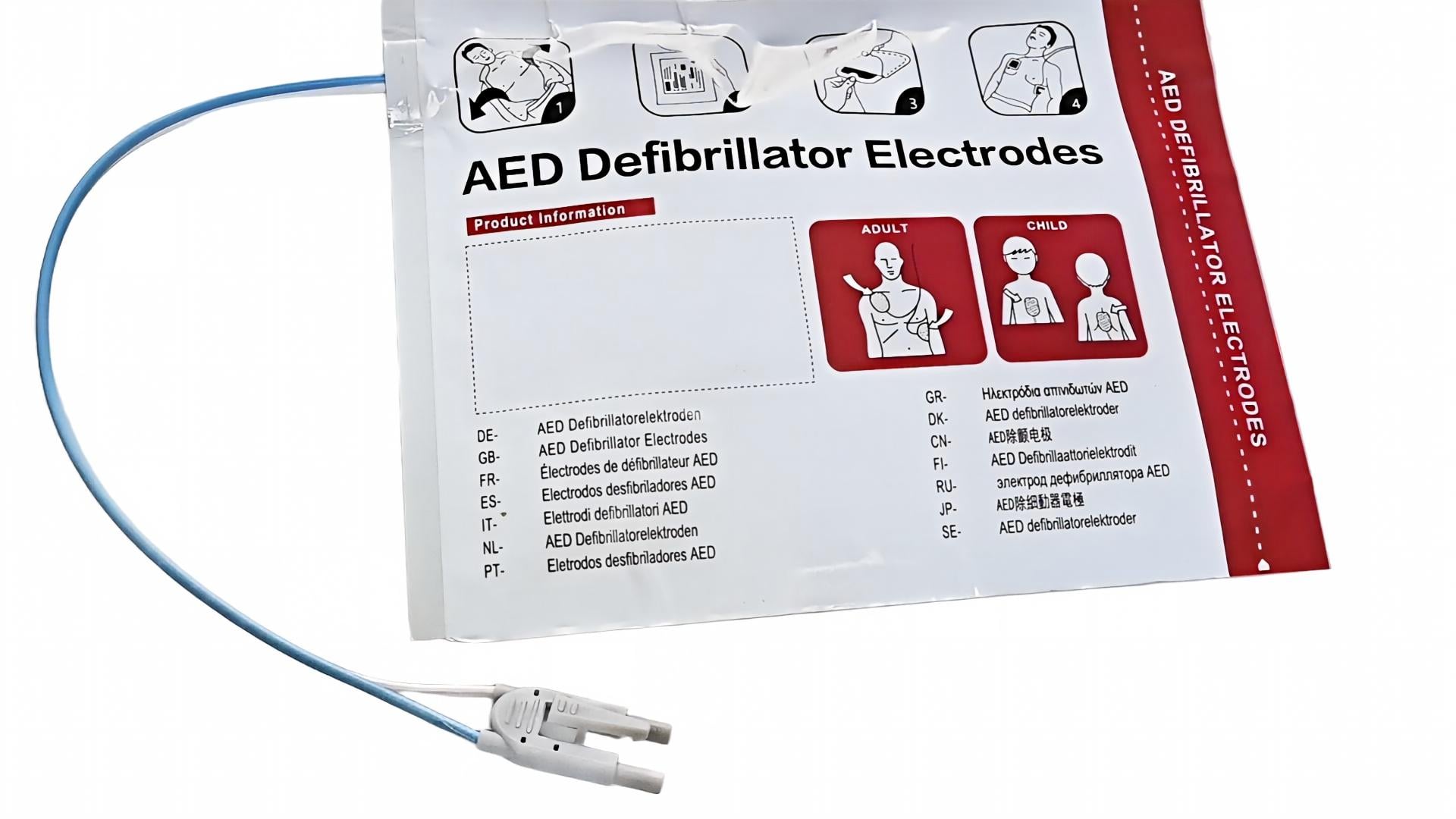
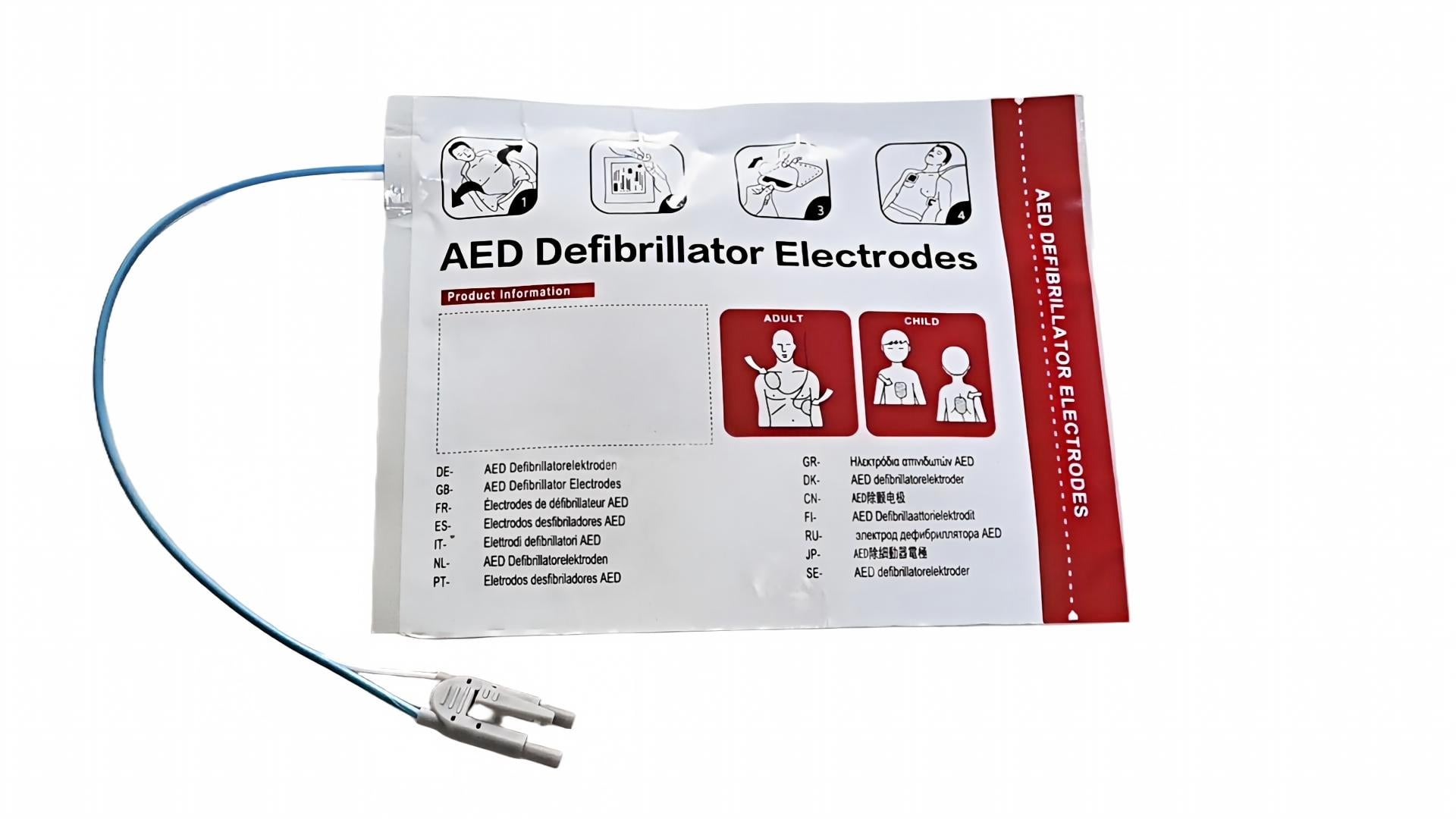
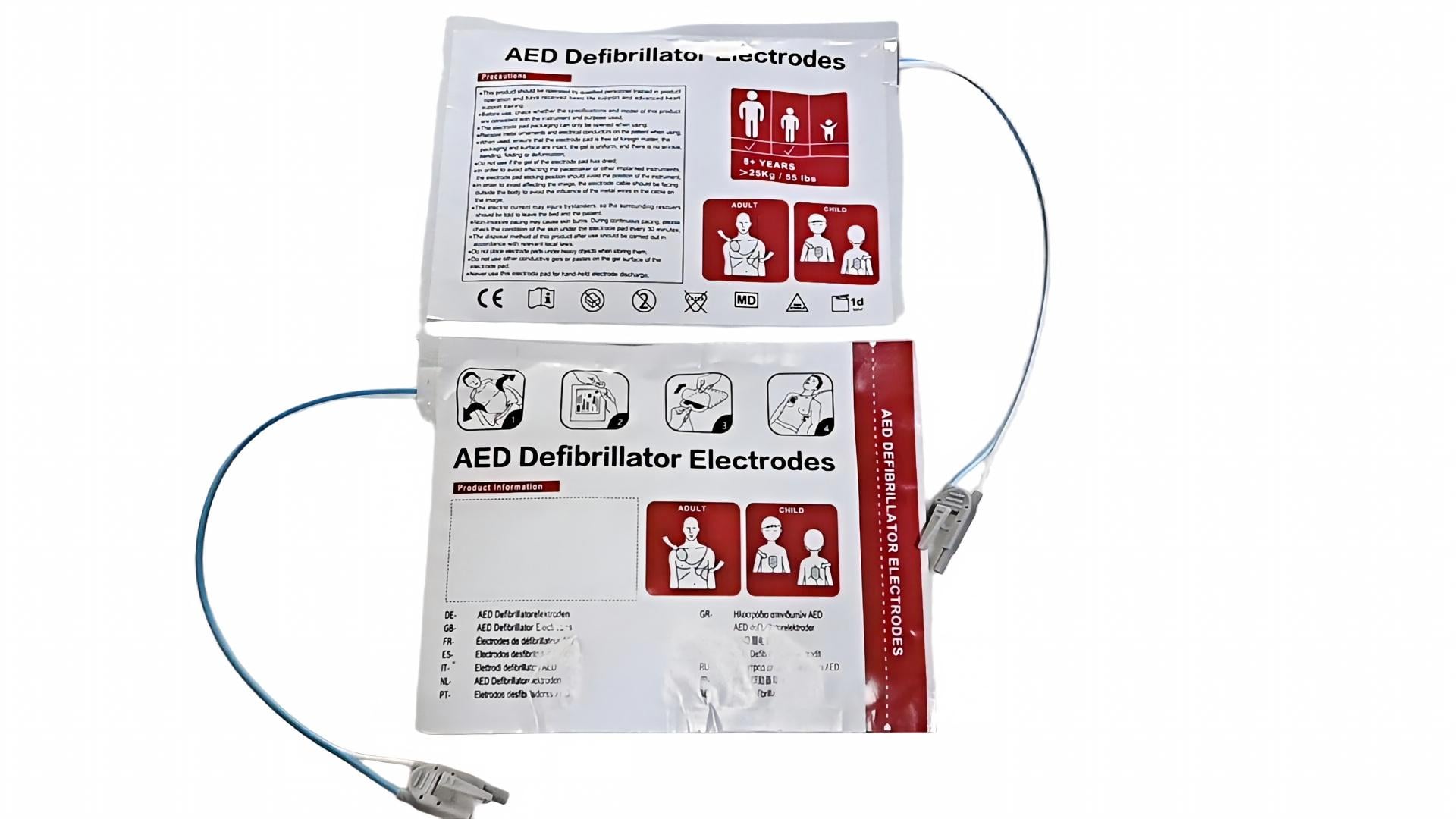
In emergency situations, the correct placement of AED pads on adults can significantly influence the effectiveness of defibrillation. This guide provides an in-depth look at the proper techniques for AED pads placement for adults, ensuring that first responders can act swiftly and effectively. Understanding the anatomy of the human body is crucial for optimal pad placement, as it can impact the electric shock’s path through the heart. The standard placement involves positioning one pad on the upper right chest and the other on the lower left side, creating a pathway for the electric current to flow through the heart. This guide also emphasizes the importance of following the AED’s voice prompts and visual instructions, as these devices are designed to guide users through the process step-by-step. By adhering to these guidelines, first responders can maximize the chances of survival for adults experiencing cardiac arrest.
Get A Quote

Advantages of the product

Enhanced Survival Rates

Proper AED pads placement for adults is critical for maximizing the chances of survival during a cardiac event. Studies have shown that timely and correct pad placement can significantly increase the likelihood of restoring a normal heart rhythm. When pads are placed correctly, the electrical shock delivered by the AED can effectively target the heart’s critical areas, improving the chances of successful defibrillation. This knowledge is vital for first responders, as every second counts in a cardiac emergency.

User-Friendly Guidelines

Our comprehensive guide simplifies the process of AED pads placement for adults, making it accessible to both trained professionals and laypersons. Clear instructions and diagrams help users understand where to position the pads effectively. This user-friendly approach reduces the anxiety often associated with emergency situations, allowing responders to act quickly and confidently. By following our guidelines, users can feel assured that they are taking the right steps to help save a life.

Training and Awareness

By educating individuals and organizations about the importance of proper AED pads placement for adults, we foster a culture of preparedness in the community. Awareness campaigns and training sessions can equip more people with the skills needed to respond effectively in emergencies. This proactive approach not only saves lives but also promotes a sense of responsibility and readiness among community members, ensuring that they are prepared to act when it matters most.

aed pads placement

The placement of AED pads for adults is a critical component in the chain of survival during cardiac arrest. When a person experiences sudden cardiac arrest, the heart’s electrical system malfunctions, leading to ineffective blood circulation. The primary goal of using an AED is to restore the heart’s normal rhythm by delivering a controlled electric shock. Proper pad placement ensures that this shock travels through the heart effectively. The standard placement involves positioning one pad on the upper right chest and the other on the lower left side, creating a diagonal line across the heart. This configuration allows the electric current to flow through the heart muscle, increasing the chances of successful defibrillation. It is essential for users to familiarize themselves with the anatomy of the chest to avoid common mistakes, such as placing pads too close to each other or on areas with excessive hair or skin folds. Additionally, users should always follow the AED’s voice prompts, as these devices are equipped with advanced technology to guide users through the process. Understanding the importance of AED pad placement can empower individuals to act decisively in emergencies, ultimately saving lives.

Frequently Questions

What is the correct placement for AED pads on adults?

The correct placement for AED pads on adults involves positioning one pad on the upper right chest, just below the collarbone, and the other pad on the lower left side of the chest, a few inches below the armpit. This placement creates a pathway for the electric shock to travel through the heart, increasing the chances of effective defibrillation. It is crucial to ensure that the pads are placed firmly against the skin for optimal conductivity.
Proper AED pad placement is vital because it directly impacts the effectiveness of the defibrillation process. When pads are positioned correctly, the electric shock can target the heart’s critical areas, enhancing the likelihood of restoring a normal heart rhythm. Incorrect placement can lead to ineffective shocks, which may reduce the chances of survival during a cardiac emergency.
While AED pads for adults are designed specifically for adult patients, many AEDs come with pediatric pads for use on children. Pediatric pads are smaller and have a different voltage setting to ensure safety and effectiveness for younger patients. If pediatric pads are not available, it is generally advised to use adult pads on children over eight years old, ensuring that they are placed correctly to minimize risk.
No, AED pads are designed for single use only. After delivering a shock or during a cardiopulmonary resuscitation (CPR) event, the pads should be disposed of and replaced with new ones. Using used pads can compromise the effectiveness of the AED and pose safety risks. Always ensure that your AED is equipped with fresh pads before any emergency situation.
It is essential to check your AED pads regularly, ideally every month, to ensure they are within their expiration date and in good condition. Pads can degrade over time, especially if not stored properly. Always follow the manufacturer’s recommendations for storage and maintenance to ensure that your AED is ready for use in case of an emergency.

Related article

eeg leads Applications in Research

10

Aug

eeg leads Applications in Research

Advancing Neurological Discoveries Through Precision Electrode Placement Modern neuroscience research increasingly relies on high-resolution electroencephalography to decode complex cerebral dynamics with exceptional spatial and temporal accuracy. Pr...
View More
Scaling sensor spo2 Supply for Large Health Systems

12

Aug

Scaling sensor spo2 Supply for Large Health Systems

The Critical Need for Scalable Sensor SpO2 Procurement in Modern Healthcare Managing high-volume medical equipment distribution across large health systems requires meticulous supply chain planning and unyielding vendor reliability. In contemporary h...
View More
Strategic Sourcing of medical cable for OEM Partners

14

Aug

Strategic Sourcing of medical cable for OEM Partners

The Critical Role of Reliable Interconnects in OEM Device Manufacturing Navigating the complex landscape of original equipment manufacturing requires an unwavering focus on component durability and signal integrity across all medical devices. In cont...
View More

Customer Testimonials

John Smith
Life-Saving Experience

I had to use an AED for the first time during a community event, and thanks to the clear instructions on pad placement, I was able to act quickly. The AED guided me through the process, and I felt confident knowing I was doing it right. The person survived, and I truly believe the proper pad placement made all the difference!

Sarah Johnson
Essential Training

Our organization recently conducted an AED training session, and the focus on proper pad placement was incredibly beneficial. The instructor emphasized the anatomy of the chest and demonstrated the correct technique. I feel much more prepared to respond to emergencies now, and I appreciate the emphasis on community safety!

Get a Free Quote

Our representative will contact you soon.
Email
Mobile/WhatsApp
Name
Company Name
Message
0/1000
Expert Guidance for AED Pad Placement

Expert Guidance for AED Pad Placement

Our comprehensive guide provides expert insights into the anatomy and proper placement techniques for AED pads on adults. This knowledge empowers first responders to act swiftly and effectively during emergencies. By understanding the heart’s electrical pathways, responders can ensure that the electric shock delivered by the AED has the highest chance of success. Our detailed instructions and diagrams facilitate easy understanding, making it accessible for both trained professionals and laypersons. This resource is invaluable for anyone looking to enhance their emergency response skills.
Commitment to Community Preparedness

Commitment to Community Preparedness

We are dedicated to fostering a culture of preparedness within communities. By providing training and resources on AED pad placement for adults, we aim to equip more individuals with the skills necessary to respond effectively in emergencies. Our awareness campaigns encourage people to take responsibility for their safety and the safety of others. This proactive approach not only saves lives but also promotes a sense of community cohesion and readiness. Through our efforts, we strive to create safer environments for everyone.

Get a Free Quote

Our representative will contact you soon.
Email
Mobile/WhatsApp
Name
Company Name
Message
0/1000

Get a Free Quote

Our representative will contact you soon.
Email
Mobile/WhatsApp
Name
Company Name
Message
0/1000