AED Electrodes Placement Guide: Correct Pad Positioning for Optimal Defibrillation

+86-755-29515401
All Categories

Get a Free Quote

Our representative will contact you soon.
Email
Mobile/WhatsApp
Name
Company Name
Message
0/1000
Understanding AED Electrodes Placement for Optimal Performance

Understanding AED Electrodes Placement for Optimal Performance

Proper placement of AED electrodes is crucial for effective defibrillation during cardiac emergencies. This guide provides an in-depth look at the correct techniques for AED electrodes placement, ensuring that medical professionals and bystanders can respond quickly and effectively in critical situations. AEDs (Automated External Defibrillators) are designed to deliver an electric shock to the heart when it is in a life-threatening rhythm, such as ventricular fibrillation or pulseless ventricular tachycardia. The correct placement of electrodes is essential to ensure that the shock is delivered effectively and safely. In this guide, we will discuss the anatomy of the heart, the locations for electrode placement, and best practices for using AEDs in emergencies. Understanding these concepts not only enhances the chances of survival for the patient but also empowers responders with the knowledge needed to act decisively in high-pressure situations.
Get A Quote

Advantages of the product

Enhanced Survival Rates Through Proper Electrode Placement

Proper electrode placement is vital for maximizing the effectiveness of an AED. When electrodes are positioned correctly on the patient’s chest, they create a pathway for the electrical current to flow through the heart, allowing for effective defibrillation. Studies have shown that timely and accurate electrode placement can significantly improve survival rates in cases of sudden cardiac arrest. AEDs are designed to analyze the heart’s rhythm and determine if a shock is necessary. By ensuring that the electrodes are placed in the correct positions, responders can facilitate a more accurate analysis and increase the likelihood of delivering a successful shock. This knowledge can empower both healthcare professionals and laypersons to provide immediate assistance in emergency situations, ultimately saving lives.

User-Friendly Design and Instructions for AED Electrode Placement

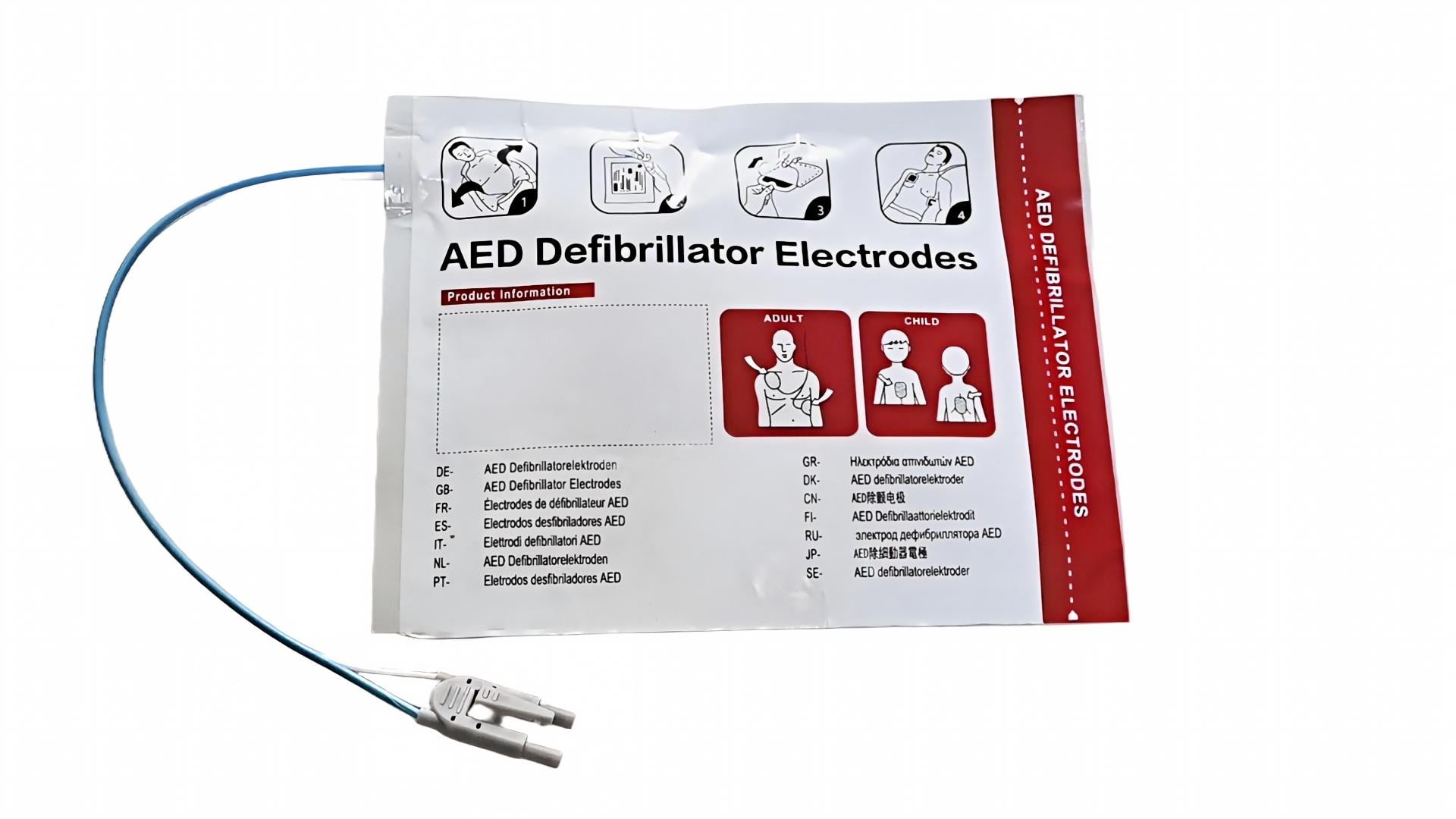
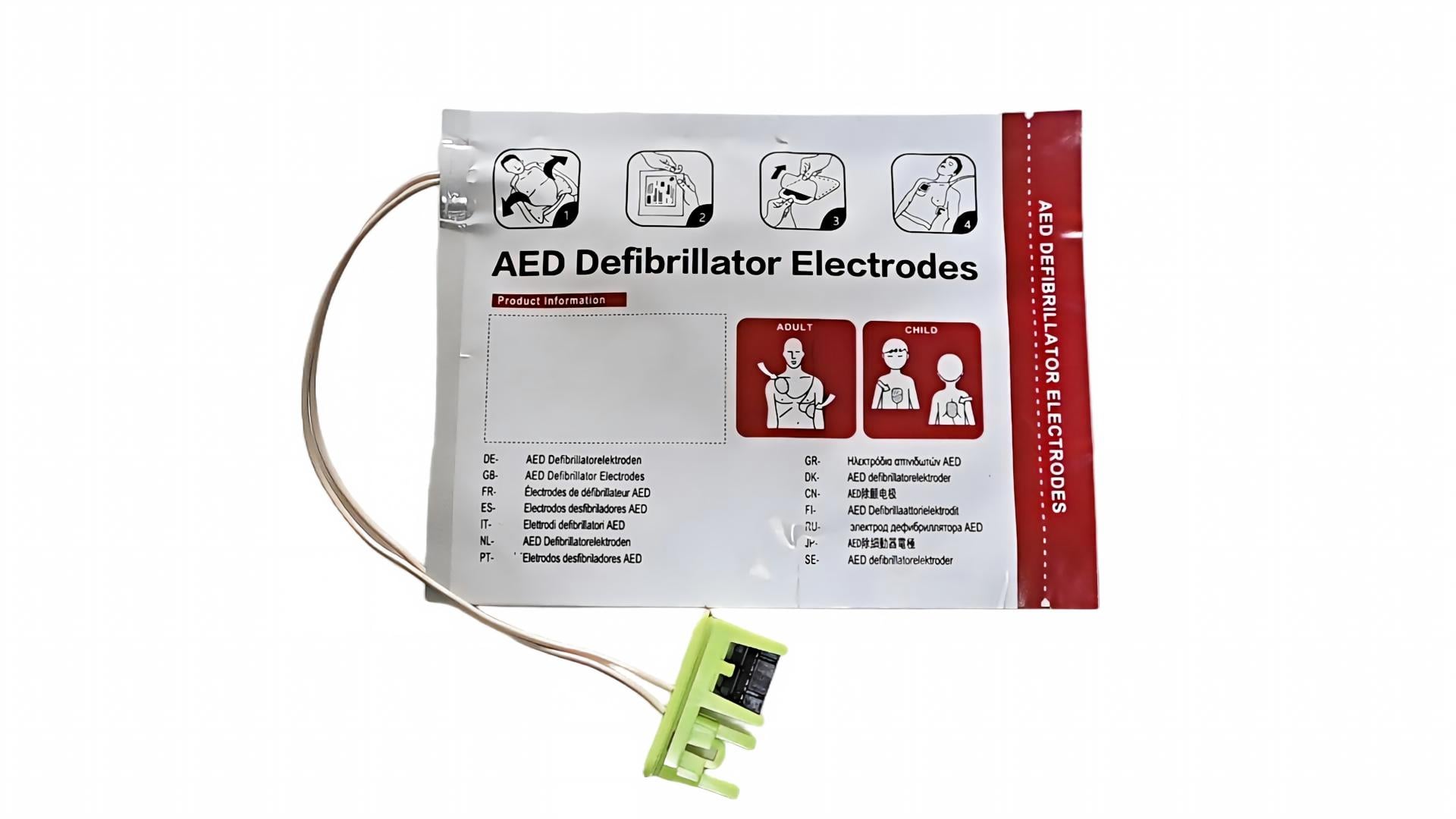
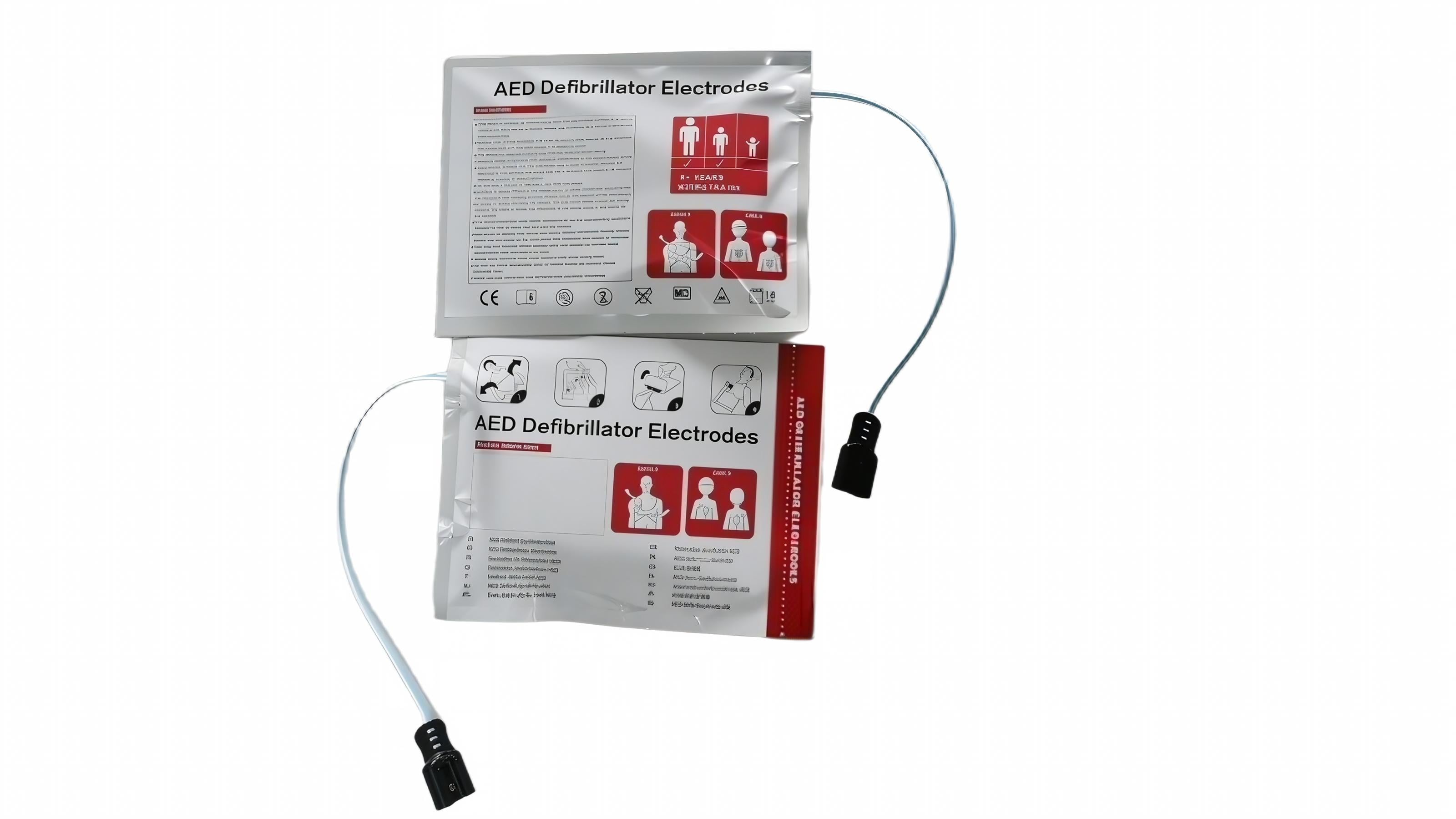
Modern AEDs come equipped with clear, user-friendly instructions that guide users through the electrode placement process. This feature is particularly beneficial for individuals who may not have medical training but are willing to assist in emergencies. The electrodes typically come with diagrams and straightforward instructions, making it easier for anyone to understand where to place them on the patient’s chest. This accessibility ensures that even bystanders can respond quickly, increasing the chances of a successful defibrillation. Furthermore, many AEDs have voice prompts that provide real-time guidance during the process, reinforcing the importance of correct electrode placement and helping to alleviate the anxiety that can accompany emergency situations.

Training and Resources Available for AED Electrode Placement

Training programs and resources focused on AED electrode placement are widely available, making it easier for individuals and organizations to prepare for emergencies. Many health organizations and community centers offer CPR and AED training courses that include practical demonstrations of electrode placement techniques. These courses not only enhance the knowledge of participants but also build confidence in their ability to act during a cardiac emergency. Additionally, online resources, videos, and manuals provide valuable information on the correct procedures for electrode placement. By investing in training and education, communities can foster a culture of preparedness, ensuring that more people are equipped to respond effectively when it matters most.

Related products

The placement of AED electrodes is a critical component in the use of Automated External Defibrillators (AEDs) during cardiac emergencies. Understanding the correct placement techniques can mean the difference between life and death. AEDs work by delivering a controlled electric shock to the heart, which can restore normal rhythm in cases of cardiac arrest. For this to occur effectively, the electrodes must be positioned correctly on the patient’s chest to create an efficient electrical pathway. Typically, one electrode is placed on the upper right side of the chest, just below the collarbone, while the second electrode is placed on the lower left side, a few inches below the armpit. This configuration is known as the anterior-lateral placement and is recommended for adult patients. For children, the pads may be placed in a pediatric configuration, depending on the size of the child and the specific AED being used. In addition to correct placement, it is important to ensure that the skin is dry and free from excess hair to allow for good adhesion and conductivity. Training and practice in AED electrode placement can enhance the confidence and effectiveness of responders, ensuring that they can act quickly and decisively in emergencies.

Frequently Questions

What is the correct placement for AED electrodes?

The correct placement of AED electrodes typically involves placing one electrode on the upper right chest, just below the collarbone, and the second electrode on the lower left chest, a few inches below the armpit. This configuration allows for the most effective delivery of the electric shock to the heart. For children, the placement may vary depending on the size and type of AED used. It is essential to follow the instructions provided with the AED for specific guidance on electrode placement.
Proper AED electrode placement is crucial because it ensures that the electric shock delivered by the AED can effectively reach the heart. Incorrect placement can result in ineffective defibrillation, which can lead to a lower chance of survival for the patient. The electrodes must be positioned to create a clear pathway for the electrical current to flow through the heart. Timely and accurate placement increases the likelihood of successful resuscitation in cases of cardiac arrest.
Yes, anyone can use an AED, and it is highly encouraged that individuals receive training in its use. Many organizations offer CPR and AED training courses that teach participants how to operate an AED, including proper electrode placement. While AEDs are designed to be user-friendly and provide step-by-step instructions, having training can enhance confidence and effectiveness in emergency situations. Training can also familiarize users with the specific AED model they may encounter.
If the skin is wet, it is important to dry the area before applying AED electrodes, as moisture can interfere with adhesion and conductivity. If the patient has excessive hair in the electrode placement area, it may be necessary to shave the hair or use pads designed for hairy skin to ensure proper contact. Many AED pads come with a built-in adhesive that ensures they stay in place during use, but proper skin preparation is essential for optimal performance.
AED electrodes have an expiration date, typically indicated on the packaging. It is essential to check the expiration date regularly and replace them as needed to ensure they are effective when required. Additionally, if the electrodes have been used in a rescue attempt, they should be replaced immediately. Regular maintenance checks of the AED, including electrode replacement, are crucial for ensuring the device is ready for use in emergencies.

Related article

Scaling sensor spo2 Supply for Large Health Systems

12

Aug

Scaling sensor spo2 Supply for Large Health Systems

The Critical Need for Scalable Sensor SpO2 Procurement in Modern Healthcare Managing high-volume medical equipment distribution across large health systems requires meticulous supply chain planning and unyielding vendor reliability. In contemporary h...
View More
Meeting Hospital Safety Needs with etco2 sensor

13

Aug

Meeting Hospital Safety Needs with etco2 sensor

Ensuring Patient Safety through Advanced Capnography and Monitoring Modern hospital environments demand continuous, high-precision respiratory monitoring to protect vulnerable patients undergoing surgical procedures or emergency critical care. In hig...
View More
Strategic Sourcing of medical cable for OEM Partners

14

Aug

Strategic Sourcing of medical cable for OEM Partners

The Critical Role of Reliable Interconnects in OEM Device Manufacturing Navigating the complex landscape of original equipment manufacturing requires an unwavering focus on component durability and signal integrity across all medical devices. In cont...
View More

Customer Testimonials

John Smith
Life-Saving Knowledge

Understanding the correct AED electrode placement has empowered me to act confidently during emergencies. I took a CPR course that emphasized the importance of proper placement, and I now feel prepared to help save a life if the need arises. The clear instructions provided with the AED make it easy for anyone to follow, even without a medical background. I highly recommend that everyone consider getting trained in AED use; it truly makes a difference!

Sarah Johnson
Essential Training for Everyone

I recently attended a community workshop on AED use, and I was amazed at how simple and effective the training was. Learning about AED electrode placement was a key part of the course, and I now feel much more equipped to handle a cardiac emergency. The hands-on practice with the equipment and the emphasis on proper technique were invaluable. I believe every organization should offer this training to their staff; it can truly save lives!

Get a Free Quote

Our representative will contact you soon.
Email
Mobile/WhatsApp
Name
Company Name
Message
0/1000
Comprehensive Training Programs Available

Comprehensive Training Programs Available

Comprehensive training programs focus on AED electrode placement are widely available for individuals and organizations. These programs typically cover essential topics such as the anatomy of the heart, the operation of AEDs, and the critical importance of correct electrode placement. Participants engage in practical exercises that allow them to practice placing electrodes on training mannequins, reinforcing the knowledge gained during the theoretical portion of the training. Many organizations offer certification upon completion, which can enhance the credibility of the participants in emergency situations. Additionally, these training programs often include information on how to respond to cardiac emergencies effectively, ensuring that participants are well-prepared to act decisively when faced with a real-life situation. By investing in training, communities can create a network of informed individuals who can respond to cardiac emergencies with confidence and competence.
User-Friendly AED Design Enhances Accessibility

User-Friendly AED Design Enhances Accessibility

User-friendly AED designs significantly enhance accessibility for individuals without medical training. Modern AEDs come equipped with clear, step-by-step instructions and visual aids that guide users through the process of electrode placement. Many devices also feature voice prompts that provide real-time guidance, helping to alleviate anxiety during emergencies. This design approach ensures that bystanders can confidently assist in a crisis, regardless of their prior experience. The intuitive interface of AEDs empowers more people to take action when every second counts, increasing the likelihood of successful defibrillation. Furthermore, the availability of training resources and community programs dedicated to AED education ensures that individuals feel prepared to use these life-saving devices effectively.

Get a Free Quote

Our representative will contact you soon.
Email
Mobile/WhatsApp
Name
Company Name
Message
0/1000

Get a Free Quote

Our representative will contact you soon.
Email
Mobile/WhatsApp
Name
Company Name
Message
0/1000