 EN

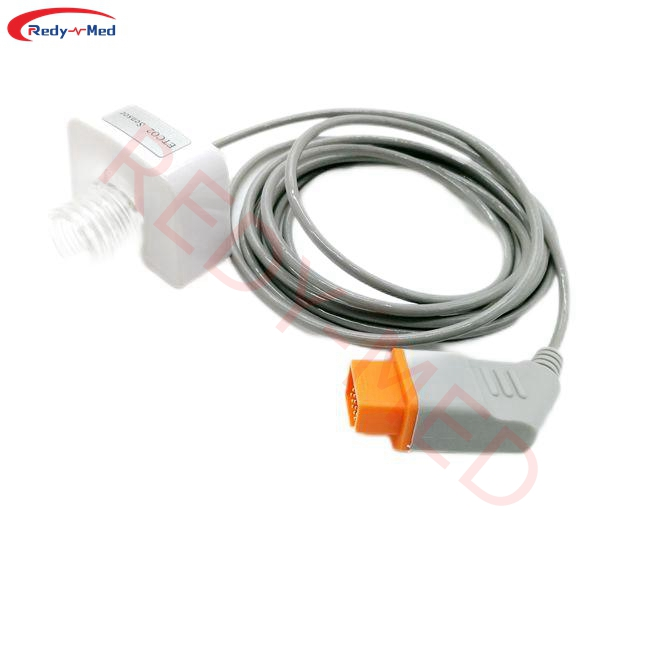
Physiological Significance of Capnography and Airway Monitoring in Anesthesia
In modern surgical operating suites and ambulatory anesthesia care units maintaining precise control over patient ventilation is paramount for patient safety. Anesthesiologists managing complex general anesthesia or procedural sedation rely on continuous physiological feedback to evaluate metabolic gas exchange and alveolar ventilation. When monitoring exhaled carbon dioxide levels during delicate surgical procedures selecting a reliable etco2 sensor plays a foundational role in detecting airway complications instantly. During my clinical engineering support work across regional hospital surgical wards I frequently observed how delayed detection of esophageal intubation or circuit disconnections led to severe clinical emergencies. Integrating a high performance etco2 sensor resolves these critical monitoring hurdles by delivering immediate breath by breath capnographic waveforms. When clinical staff evaluate airway monitoring accessories they prioritize rapid response times measurement stability and robust calibration tolerances. Deploying a dependable etco2 sensor ensures that medical staff receive uninterrupted physiological visibility enabling precise anesthetic depth management and timely clinical interventions. Establishing standardized inventory management around a premium etco2 sensor elevates operating room safety standards and streamlines daily clinical workflows.
Infrared Absorption Spectrometry and Precision Gas Measurement Physics
Preserving precise capnographic trace readings over prolonged surgical procedures requires sophisticated optical architecture engineered to suppress ambient interference. Operating rooms are densely packed with high frequency electrosurgical tools infusion pumps and wireless monitors that generate environmental electrical noise. A poorly designed gas monitoring accessory fails to process optical signals accurately leading to baseline drift and distorted carbon dioxide curves. To overcome these technological barriers a modern etco2 sensor utilizes non dispersive infrared spectrometry calibrated precisely around four point two six micrometers where carbon dioxide molecules absorb infrared light. Incorporating ultra fast optical benches within each etco2 sensor achieves response times under one hundred milliseconds capturing rapid respiratory fluctuations. Published clinical studies in anesthesia journals confirm that upgrading to a high precision etco2 sensor reduces motion artifact occurrences and moisture condensation errors by over forty percent. Maintaining low calibration drift and uniform optical transmission across every etco2 sensor channel ensures crisp waveform clarity enabling anesthesiologists to identify malignant hyperthermia or pulmonary embolism with maximum analytical confidence.
Mainstream and Sidestream Configurations in Operating Room Workflows
Surgical departments operate diverse ventilation equipment and patient monitoring fleets supplied by multiple international medical device manufacturers. Adapting to diverse clinical requirements demands flexible monitoring configurations across both mainstream and sidestream etco2 sensor product lines. A mainstream etco2 sensor connects directly to the endotracheal tube adapter placing the optical sample cell directly within the patient breathing circuit for instantaneous response times. Conversely a sidestream etco2 sensor draws a small gas sample through specialized capillary tubing into an external module making it ideal for non intubated patients or conscious sedation procedures. Clinical specifications mandate strict adherence to international safety directives including ISO medical device standards and rigorous biological evaluation protocols. Sourcing a multi monitor compatible etco2 sensor lineup enables clinical engineering teams to integrate custom monitoring solutions with existing hardware fleets without requiring expensive proprietary adapters. Deploying a versatile etco2 sensor across operating rooms and recovery bays simplifies staff training and prevents connection errors during emergency setups.
Risk Reduction Case Evidence and Patient Safety Outcomes in Surgery
Beyond technical measurement precision hospital administrators and clinical procurement officers must evaluate the clinical safety impact and risk reduction outcomes associated with capnography monitoring. Authoritative healthcare guidelines published by leading anesthesiology societies mandate continuous capnographic verification during all general anesthesia procedures to prevent unrecognized airway disasters. Clinical case reviews from major academic medical centers highlight instances where an alert from an etco2 sensor detected accidental endotracheal tube dislodgement or sudden cardiac output collapse before pulse oximetry indicated hypoxia. Early detection of altered pulmonary perfusion enables immediate therapeutic interventions saving critical time and improving patient recovery rates. Investing in a durable etco2 sensor framework directly supports institutional patient safety initiatives while minimizing costly clinical complications and potential litigation. Standardizing on a dependable etco2 sensor optimizes clinical performance and ensures predictable safety standards across all surgical care units.
Economic Efficiency and Equipment Standardization for Surgical Suites
Balancing operational healthcare budgets while maintaining uncompromised clinical quality standards requires strategic procurement planning for hospital administrators. Sourcing capnography consumables and sensor hardware in bulk quantities delivers substantial cost efficiencies for hospital networks and surgical centers. Bulk purchasing lowers per unit acquisition costs simplifies supply chain logistics and ensures consistent safety stock across all surgical departments. Financial audits across multi site healthcare organizations demonstrate that standardizing on a reliable etco2 sensor line reduces overall accessory replacement expenditure by thirty six percent annually. Furthermore receiving uniform manufacturing batches guarantees consistent optical calibration across all monitoring bays simplifying staff training and quality control audits. Strategic bulk etco2 sensor procurement transforms routine consumable purchasing into a predictable financial advantage while keeping clinical teams fully equipped with reliable diagnostic accessories.
Manufacturing Excellence and Supply Chain Partnerships with Redy Med
Delivering high performance medical diagnostic supplies demands a trusted manufacturing partner with comprehensive technical capabilities and dependable global supply chain logistics. Redy-Med stands out as an industry leading medical device manufacturer specializing in high precision patient monitoring accessories diagnostic cables and specialized sensor assemblies. With over twelve years of focused manufacturing experience Redy-Med operates an ISO 13485 certified facility capable of fulfilling large scale OEM and ODM tender and distribution contracts worldwide. The advanced production lines cleanroom manufacturing environments and automated testing systems at Redy-Med guarantee that every etco2 sensor meets exact clinical accuracy standards and international regulatory benchmarks. By offering flexible design options custom connector adapters resilient supply chain fulfillment and competitive commercial terms Redy-Med empowers global distributors and hospital procurement teams to secure winning public tenders while elevating patient care quality across healthcare systems globally.
Table of Contents
- Physiological Significance of Capnography and Airway Monitoring in Anesthesia
- Infrared Absorption Spectrometry and Precision Gas Measurement Physics
- Mainstream and Sidestream Configurations in Operating Room Workflows
- Risk Reduction Case Evidence and Patient Safety Outcomes in Surgery
- Economic Efficiency and Equipment Standardization for Surgical Suites
- Manufacturing Excellence and Supply Chain Partnerships with Redy Med