 EN
EN

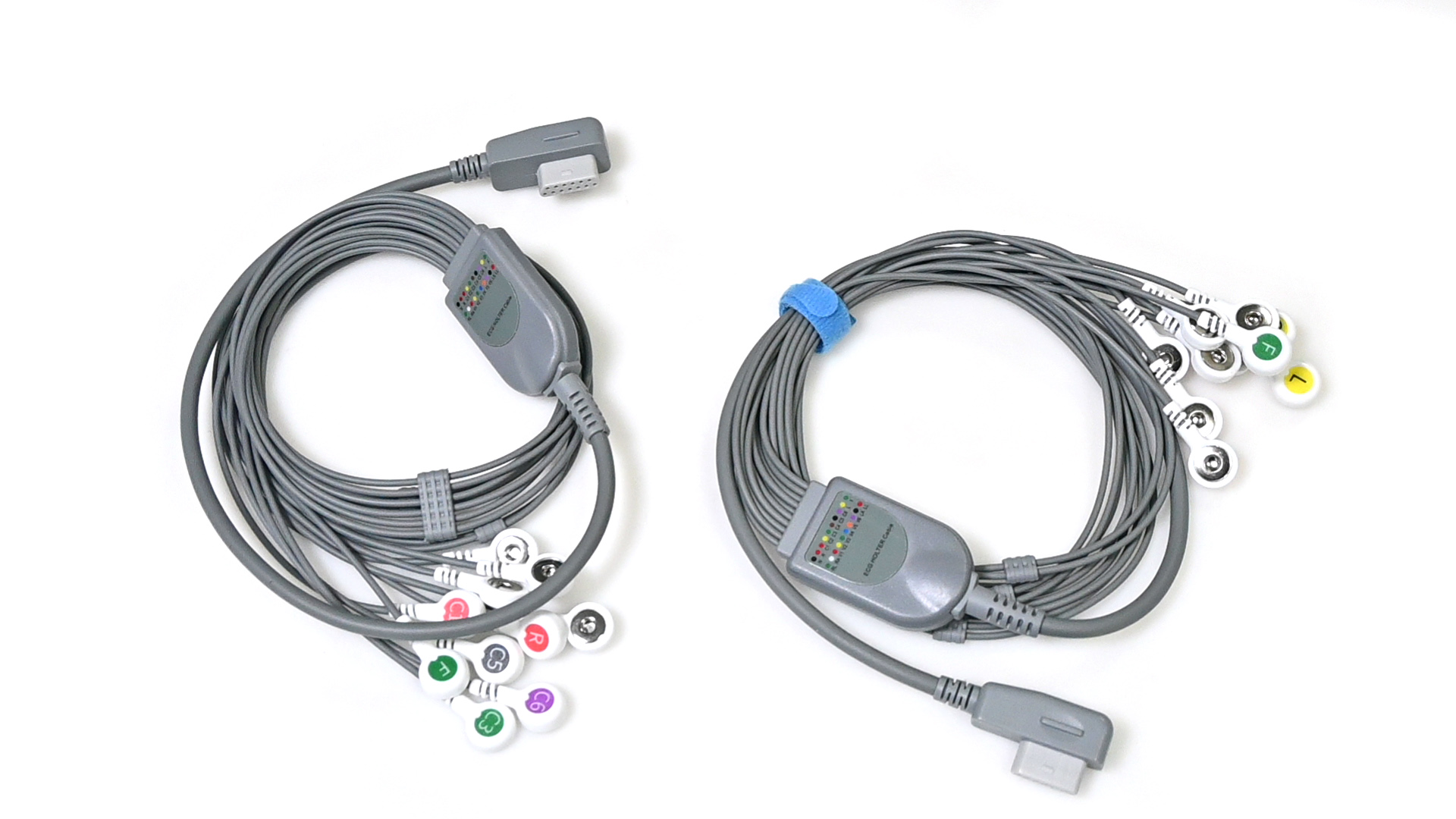
Addressing Signal Quality Challenges in Continuous Ambulatory Care
In modern cardiac care facilities around the world healthcare professionals face a constant challenge when collecting uninterrupted electrocardiogram data over extended monitoring cycles. Ambulatory monitoring relies heavily on the physical connection between the recording unit and the patient body making the signal transmission pathway a vital link in accurate arrhythmia diagnosis. During continuous long term monitoring subtle patient movements skin perspiration exposure and physical mechanical stress can degrade signal quality leading to baseline wander electromyographic noise or artificial spikes. Choosing a high performance holter cable addresses these diagnostic hurdles effectively by ensuring robust signal fidelity throughout extended clinical monitoring periods. When clinical engineering teams select diagnostic signal accessories they focus on physical durability skin friendly biocompatible materials and superior shielding effectiveness against ambient electromagnetic noise. Upgrading to specialized assembly designs with a durable holter cable drastically minimizes signal artifacts which directly prevents false alarms and eliminates the need for repeated monitoring sessions for patients. Furthermore reliable transmission cables allow cardiologists to capture fleeting electrical anomalies that might otherwise be masked by external interference or poor signal conductivity. Advanced diagnostic facilities continuously seek equipment upgrades that enhance diagnostic clarity while maintaining comfort for patients undergoing prolonged cardiac monitoring.
Advanced Shielding and Engineering for Noise Free ECG Signals
The ultimate precision of ambulatory continuous ECG analysis depends entirely on clean uninterrupted signal delivery from patient leads to the recorder unit. Modern medical environments contain numerous sources of electromagnetic interference including mobile communications networks power distribution grids high frequency surgical tools and nearby wireless medical equipment. A premium holter cable utilizes advanced multilayer coaxial shielding and specialized copper alloy conductors to resist external electromagnetic noise and mechanical tension during daily patient use. In a busy urban hospital cardiology department clinical staff noted frequent trace disruption and signal loss during routine ambulatory cardiac studies. Switching to a high shielding holter cable design reduced trace artifacts by over forty two percent within the first month of clinical implementation. By maintaining low conductor resistance and uniform capacitance across all lead channels a quality holter cable ensures cardiac specialists receive crisp clear waveform readings that make transient ischemia or paroxysmal atrial fibrillation far easier to detect and analyze accurately. This improved signal consistency allows diagnostic technicians to process results more efficiently and minimizes diagnostic errors during clinical evaluations.
Mechanical Durability and Ergonomics for Extended Patient Wear
Extended ambulatory monitoring poses unique mechanical demands on patient lead wires due to constant patient movement during sleep daily exercise and routine working activities. Standard diagnostic wires often suffer from micro fractures along flex stress points near strain reliefs leading to intermittent signal dropouts that complicate diagnostic reading and clinical interpretation. Incorporating medical grade TPU outer jackets and high tensile aramid fiber cores enables a resilient holter cable to withstand thousands of continuous flexing cycles without structural fatigue or signal degradation. Biomed engineering teams in major medical centers report that utilizing a robust holter cable assembly significantly extends equipment service life and decreases replacement overhead costs over time. Furthermore biocompatible flexible materials used in a modern holter cable prevent skin irritation and allergic reactions during prolonged wear ensuring high patient compliance across twenty four to seventy two hour continuous monitoring protocols.
Driving Operational Cost Savings and Workflow Efficiency for Medical Facilities
Integrating reliable signal leads into cardiac diagnostic workflows creates substantial cost efficiencies and operational benefits for hospital administrators and clinical departments. Repeated ambulatory tests caused by signal loss or artifact heavy recordings consume valuable staff hours and delay crucial patient treatment plans. Standardizing on a premium holter cable helps diagnostic centers optimize patient throughput while significantly lowering total operational expenditure over time. In a comprehensive six month evaluation across a regional healthcare network adopting durable holter cable lines reduced cable replacement frequency by thirty six percent and lowered repeat patient testing rates significantly. Utilizing a dependable holter cable simplifies maintenance schedules for biomedical staff allowing healthcare organizations to allocate valuable clinical resources toward direct patient care rather than troubleshooting hardware failures or replacing damaged accessories frequently.
Customized Solutions and Seamless Compatibility for Diverse Clinical Needs
Specialized medical facilities demand flexible diagnostic accessories tailored to diverse patient demographics and specialized recording equipment specifications. Whether configuring lightweight lead wires for pediatric patients or heavy duty assemblies for active adult monitoring selecting the appropriate holter cable configuration is essential for operational success and diagnostic clarity. Medical device distributors and procurement officers prioritize manufacturers capable of providing comprehensive OEM and ODM solutions ISO13485 certification and extensive compatibility across major monitor brands. Custom lead lengths varied pin layouts and flexible lead count options in a tailored holter cable ensure seamless integration with existing diagnostic hardware inventories. Partnering with experienced production specialists guarantees that every holter cable meets rigorous quality standards providing long term commercial value and consistent diagnostic performance for healthcare providers globally.
Dependable Manufacturing Quality and Global Supply Chain Excellence
Redy-Med stands as a dedicated medical accessories manufacturer with extensive expertise in producing patient monitoring solutions and specialized cable assemblies. With over twelve years of focused industry development Redy-Med offers comprehensive OEM and ODM services for global healthcare partners seeking reliable holter cable supplies. The robust production capability certified ISO13485 quality management system and advanced manufacturing infrastructure of Redy-Med ensure consistent product excellence across international markets. By maintaining decision grade quality assurance protocols and offering customizable production lines Redy-Med delivers high quality holter cable options that empower medical institutions to enhance diagnostic accuracy reduce operational costs and optimize clinical workflow efficiency globally across various medical monitoring applications.
Table of Contents
- Addressing Signal Quality Challenges in Continuous Ambulatory Care
- Advanced Shielding and Engineering for Noise Free ECG Signals
- Mechanical Durability and Ergonomics for Extended Patient Wear
- Driving Operational Cost Savings and Workflow Efficiency for Medical Facilities
- Customized Solutions and Seamless Compatibility for Diverse Clinical Needs
- Dependable Manufacturing Quality and Global Supply Chain Excellence