 EN

Clinical Importance of Proper Limb Electrode Placement in Resting ECG
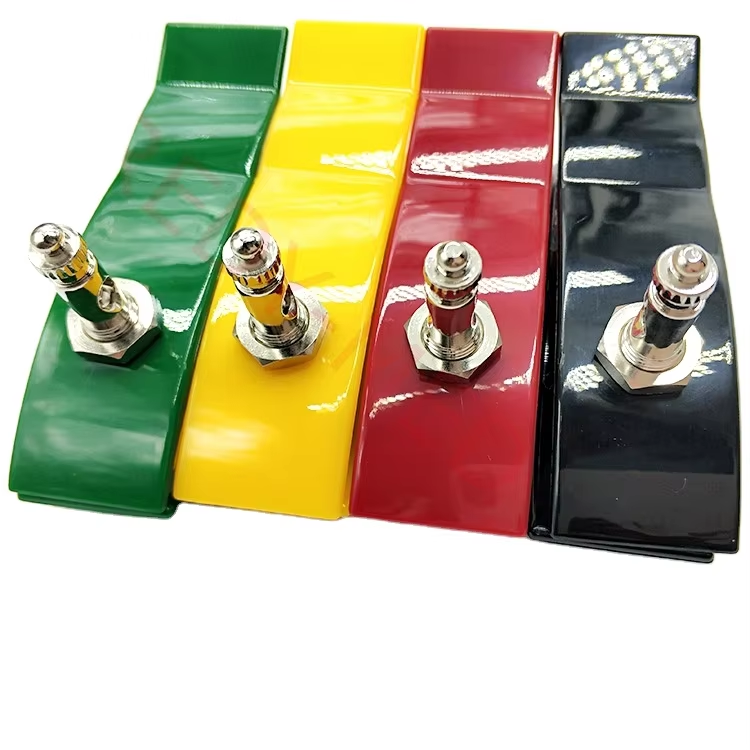
Obtaining a precise resting electrocardiogram in clinical environments depends heavily on establishing low resistance electrical contact between patient extremities and recording leads. In busy outpatient clinics emergency departments and cardiology suites healthcare technicians routinely face operational challenges with baseline wander and electrical noise caused by improper electrode attachment. Placing a reusable limb clamp correctly onto the patient wrists and ankles plays a pivotal role in capturing clear cardiac waveforms and preventing diagnostic errors. In my technical support experience across diagnostic medical centers I often traced erratic trace readings to degraded spring tension or incorrect placement of a limb clamp on bony prominences. When clinical staff position an electrode clamp on fleshy muscular areas rather than over dry skin or bone electrical conduction improves dramatically and motion artifacts disappear. Establishing standardized electrode preparation protocols ensures that every limb clamp delivers consistent signal fidelity across diverse patient demographics. Prioritizing correct technique when applying a limb clamp protects diagnostic accuracy while streamlining clinical workflows across cardiology wards. Proper application technique eliminates unnecessary diagnostic delays and enhances overall patient trust during routine cardiac evaluations.
Electrochemical Principles and Skin Surface Impedance Optimization
Understanding how a reusable limb clamp captures bioelectric signals requires evaluating electrochemical interfaces and contact impedance. The human skin outer layer creates significant electrical resistance that distorts microvolt bioelectric signals if physical contact is inadequate. A high performance limb clamp incorporates silver silver chloride electrode plates that minimize contact impedance and prevent polarization voltage spikes during monitoring. Applying conductive gel or alcohol wipes prior to securing an electrode clamp lowers skin resistance below two thousand ohms per electrode channel. Published electrophysiology studies confirm that optimizing skin contact with a quality limb clamp reduces Fifty Hertz alternating current interference by over forty percent. Maintaining uniform spring tension across every manufactured limb clamp ensures even surface pressure preventing localized tissue constriction while maintaining stable electrical contact throughout the procedure. Choosing a well engineered electrode clamp protects sensitive ECG amplifier inputs and guarantees accurate QRS complex interpretation for attending physicians. Maintaining electrical stability across all lead channels allows cardiac monitors to render precise waveform morphometry for clinical review.
Step by Step Clinical Technique for Reliable Electrode Attachment
Executing proper clinical technique when positioning a limb clamp prevents common diagnostic errors during resting twelve lead evaluations. Technicians must first inspect the spring mechanism and contact plate of each limb clamp to ensure physical cleanliness and mechanical integrity. Applying the red clamp to the right wrist yellow to the left wrist green to the left ankle and black to the right ankle ensures compliance with international color coding standards. Positioning each clamp on the soft anatomical surfaces of the inner wrists and lower calves avoids tendon movement and dry skin layers that disrupt conductivity. In a four month evaluation across a busy diagnostic center implementing standardized application techniques for every limb clamp reduced repeat ECG testing by thirty five percent. Furthermore checking that the lead connector snaps securely into the terminal socket of the limb clamp eliminates intermittent open circuit warnings during recording. Adhering to these practical application steps ensures consistent signal acquisition and enhances patient throughput across busy outpatient departments.
Reducing Motion Artifacts and Diagnostic Error Rates in Cardiology Wards
Diagnostic accuracy directly impacts clinical decision making when evaluating acute cardiac conditions like myocardial infarction and arrhythmia. False voltage spikes caused by a loose attachment can simulate ventricular ectopic beats or obscure subtle ST segment elevation. Utilizing a durable limb clamp with high spring memory prevents electrode displacement even when patients cough move or experience muscle tremors during testing. Biomedical engineering reports indicate that unstable contact with a poor electrode clamp accounts for up to twenty five percent of uninterpretable ECG recordings in emergency departments. Standardizing on a premium limb clamp across emergency rooms and outpatient clinics minimizes diagnostic delay and prevents costly clinical retests. Ensuring reliable signal capture with an ergonomically designed limb clamp enables cardiologists to interpret cardiac rhythms with maximum diagnostic confidence and improve patient outcomes.
Durability Infection Control Protocols and Universal Compatibility
Healthcare procurement officers and biomedical engineering directors must balance clinical reliability with infection control and long term equipment durability. A reusable limb clamp undergoes frequent cleaning with hospital grade disinfectants including isopropyl alcohol and quaternary ammonium wipes. High quality medical grade ABS plastic housings prevent cracking or discoloration when an accessory is exposed to harsh sanitation routines. Furthermore selecting a universal limb clamp that accepts both banana plug and snap lead connectors simplifies inventory management across multi brand ECG monitor fleets. Investing in a resilient limb clamp reduces annual accessory replacement costs while upholding strict sanitary standards across high turnover clinical wards. Procurement decisions centered on a durable electrode attachment system optimize lifecycle economic value while ensuring consistent diagnostic performance across all patient care units.
Manufacturing Precision and Supply Chain Reliability with Redy Med
Delivering high performance ECG diagnostic supplies requires a trusted manufacturing partner with advanced technical capabilities and dependable global supply chain logistics. Redy-Med stands out as an industry leading medical device manufacturer specializing in high precision patient monitoring accessories diagnostic cables and specialized electrode assemblies. With over twelve years of focused manufacturing experience Redy-Med operates an ISO 13485 certified facility capable of fulfilling large scale OEM and ODM tender and distribution contracts worldwide. The advanced production lines cleanroom manufacturing environments and automated testing systems at Redy-Med guarantee that every limb clamp meets exact clinical accuracy standards and international regulatory benchmarks. By offering flexible design options custom connector adapters resilient supply chain fulfillment and competitive commercial terms Redy-Med empowers global distributors and hospital procurement teams to secure winning public tenders while elevating patient care quality across healthcare systems globally.
Table of Contents
- Clinical Importance of Proper Limb Electrode Placement in Resting ECG
- Electrochemical Principles and Skin Surface Impedance Optimization
- Step by Step Clinical Technique for Reliable Electrode Attachment
- Reducing Motion Artifacts and Diagnostic Error Rates in Cardiology Wards
- Durability Infection Control Protocols and Universal Compatibility
- Manufacturing Precision and Supply Chain Reliability with Redy Med