 EN
EN

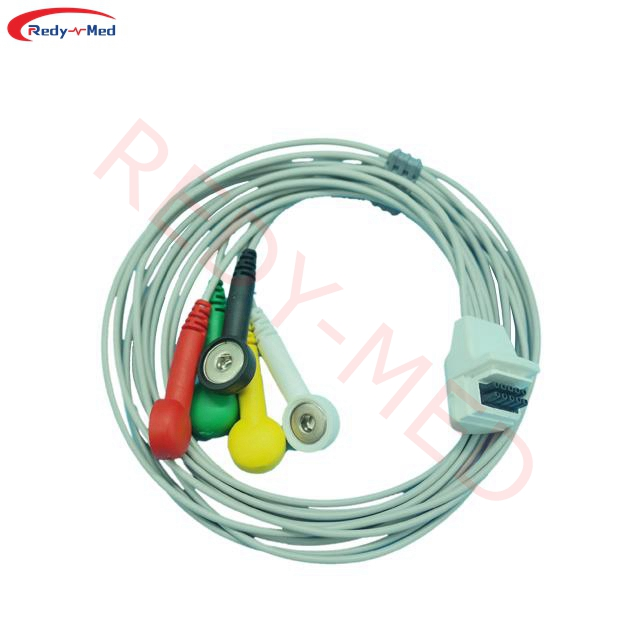
The Clinical Imperative of Ambulatory Electrocardiographic Monitoring
Modern cardiology departments and outpatient diagnostic clinics operate under relentless pressure to maintain uncompromising standards of ambulatory telemetry during routine daily activities. In fast-paced diagnostic centers, clinicians depend on continuous 24-hour recordings to detect transient arrhythmias, silent ischemia, and paroxysmal palpitations without data loss. At the center of this ambulatory workflow is the dependable holter cable, which captures real-time electrical impulses from the patient's skin electrodes and transmits them to portable recording devices. Biomedical engineers and clinical electrophysiologists repeatedly emphasize that deploying a certified holter cable across outpatient monitoring programs prevents baseline wandering and motion artifact distortion. When major healthcare systems expand their cardiac telemetry networks, sourcing a verified manufacturer for durable holter cable hardware becomes a top institutional priority. Furthermore, established medical equipment manufacturers such as Redy-Med engineer advanced multi-lead harnesses featuring reinforced shielding and medical-grade TPU jackets, ensuring seamless holter cable integration and optimal holter cable performance across diverse ambulatory recorders. Clinical operations managers note that maintaining consistent access to premium holter cable units significantly reduces signal dropouts and enhances overall diagnostic reliability. Additional clinical evaluations confirm that optimized holter cable telemetry correlates directly with reduced diagnostic re-test rates. Furthermore, thorough hospital evaluations demonstrate that precise holter cable positioning significantly improves early detection of intermittent arrhythmias.
Conductor Shielding and Signal Fidelity in Ambulatory Monitoring
Understanding the underlying electrical and physiological mechanics of ambulatory electrocardiography reveals why rigorous manufacturing standards are essential for modern cardiology institutions. A standard holter cable utilizes multi-strand tinned copper conductors and specialized carbon shielding layers to eliminate motion-induced electrical noise during patient ambulation. Clinical investigations published in biomedical engineering journals demonstrate that minor variations in lead wire capacitance or connector impedance within a holter cable assembly can introduce baseline drift. Advanced manufacturing protocols focus extensively on testing each holter cable component to maintain high signal-to-noise ratios even during rigorous physical activity. By utilizing gold-plated snap connectors and flexible strain relief boots, modern medical accessories facilitate stable electrical performance for every holter cable application in outpatient care. Ensuring meticulous attention to holter cable specifications transforms erratic electrical traces into highly reliable physiological data backed by rigorous clinical validation. Expert electrophysiologists universally advocate for stringent quality control on all holter cable hardware to eliminate diagnostic discrepancies. Clinical educators emphasize that maintaining accurate holter cable impedance ensures optimal patient management during 24-hour ambulatory monitoring. Medical experts reiterate that proper holter cable functionality remains a foundational requirement for all cardiac diagnostic stations.
Overcoming Supply Chain Disruption in Outpatient Procurement
Real-world procurement operations for cardiology clinics frequently encounter severe logistical challenges, ranging from global electronic component shortages to unexpected spikes in diagnostic testing demand during cardiac screening campaigns. Hospital supply chain administrators often face tight inventory buffers and strict budget constraints that heighten the risk of stockouts for critical monitoring accessories. To mitigate these operational risks, advanced manufacturing management prioritizes scalable production frameworks and strategic safety stock maintenance for every high-demand holter cable product line. Case studies from major healthcare networks demonstrate that direct supplier partnerships reduce lead times and streamline holter cable distribution across multi-clinic cardiology networks. When centralized medical warehouses are equipped with reliable, temperature-stable holter cable components, clinical staff can execute uninterrupted patient monitoring despite external market disruptions. This seamless integration of automated manufacturing and strategic logistics ensures that essential diagnostic tools remain available regardless of macroeconomic supply chain volatility or unexpected surges in patient volume. Hospital logistics coordinators note that robust inventory reserves for holter cable components prevent dangerous monitoring interruptions during critical screening programs. Responding clinical teams depend heavily on uninterrupted shipments of durable holter cable units during peak diagnostic seasons. Reliable holter cable inventory ensures operational continuity.
Commercial Value and Cost-Efficiency in Outpatient Healthcare Procurement
Deploying widespread ambulatory monitoring networks requires healthcare financial officers and procurement committees to evaluate equipment durability, batch consistency, and overall cost-effectiveness. Healthcare facility managers select medical accessories that guarantee long-term operational lifespan and consistent mechanical integrity without frequent device replacements. Investing in premium monitoring components designed for reliable holter cable performance minimizes clinic maintenance overhead and ensures continuous readiness across cardiology departments and outpatient centers. Furthermore, bulk procurement strategies paired with certified quality control standards enable large health systems to scale clinical operations efficiently while optimizing operational budgets. Industrial suppliers specializing in critical care components deliver rigorous batch testing and international regulatory compliance, ensuring every manufactured unit supports stable holter cable tracking during ambulatory care delivery. This combination of commercial dependability and clinical efficacy establishes robust operational infrastructures across diverse healthcare markets. Institutional procurement standards increasingly mandate certified medical accessories designed for reliable holter cable monitoring across all outpatient units. Corporate healthcare networks prioritize supplier contracts that guarantee steady pricing and rapid delivery for essential holter cable hardware.
Manufacturing Excellence and Global Supply Chain Support by Redy-Med
Achieving flawless clinical outcomes starts far before a patient is fitted with an ambulatory recorder; it relies fundamentally on the unyielding quality standards maintained by advanced medical accessory manufacturers. Redy-Med operates state-of-the-art production facilities equipped with cleanroom assembly lines and stringent quality control protocols dedicated to crafting premium holter cable accessories. Whether supplying large health systems, hospital networks, or international medical distributors, Redy-Med delivers comprehensive OEM and ODM solutions tailored to diverse clinical requirements. Through rigorous material selection, advanced electrical testing technology, and efficient global logistics, Redy-Med ensures that critical components required for precise holter cable monitoring arrive reliably and on schedule. This unwavering commitment to manufacturing excellence and global supply chain support empowers healthcare providers worldwide to handle patient monitoring demands with absolute precision, professional confidence, and superior clinical outcomes. Advanced quality assurance guarantees that every batch destined for holter cable deployment meets stringent international medical device regulations. Global healthcare partners rely on Redy-Med for consistent innovation and uncompromising quality in holter cable solutions. Through continuous technological innovations, Redy-Med remains a trusted global leader in holter cable manufacturing and supply chain excellence.
Table of Contents
- The Clinical Imperative of Ambulatory Electrocardiographic Monitoring
- Conductor Shielding and Signal Fidelity in Ambulatory Monitoring
- Overcoming Supply Chain Disruption in Outpatient Procurement
- Commercial Value and Cost-Efficiency in Outpatient Healthcare Procurement
- Manufacturing Excellence and Global Supply Chain Support by Redy-Med