 EN
EN

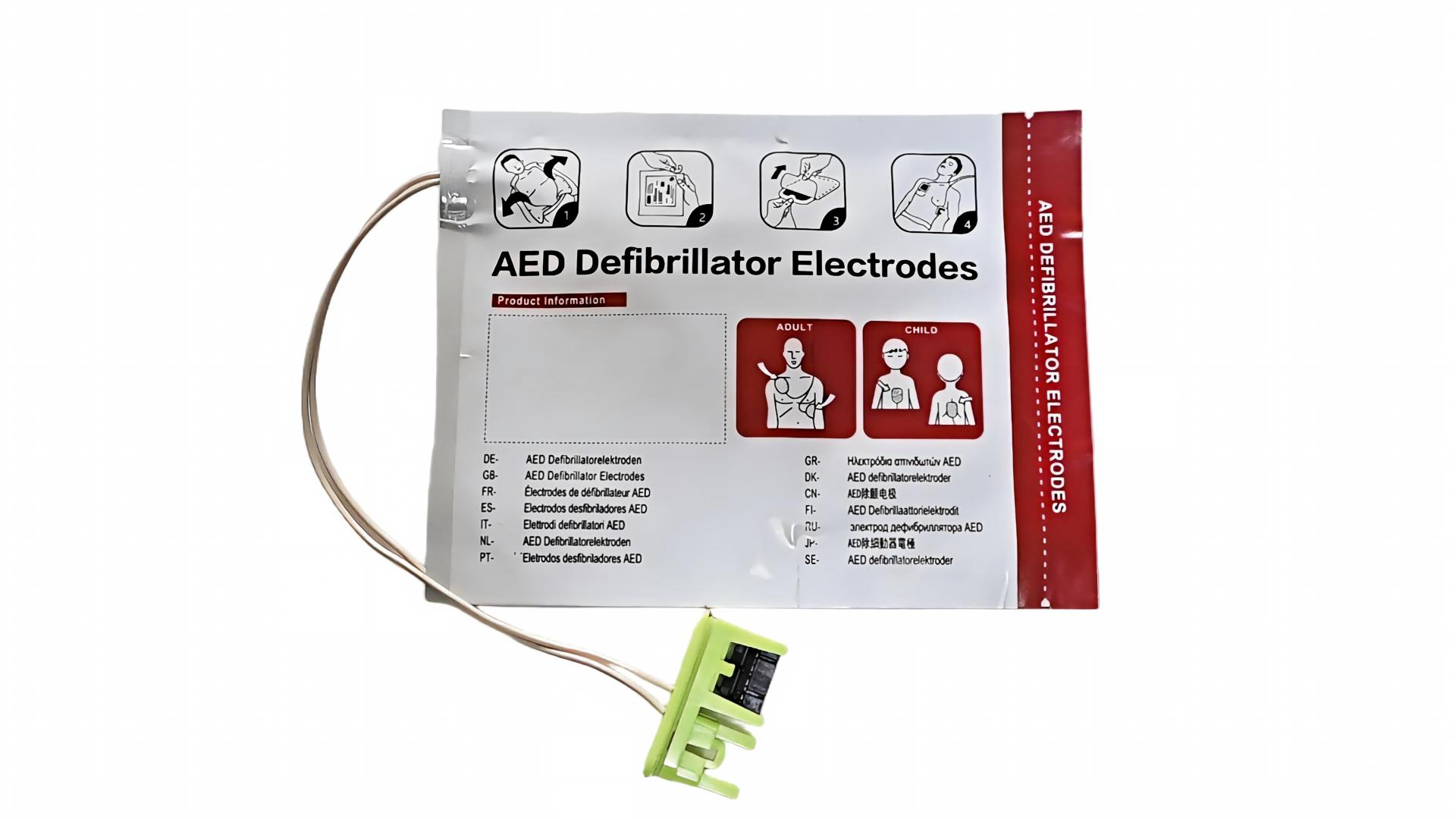
Critical Factors in Optimal AED Pads Placement for Cardiac Arrest Survival
Sudden cardiac arrest remains one of the leading medical emergencies worldwide, where every single second dictates the boundary between life and death. Immediate cardiopulmonary resuscitation combined with rapid defibrillation dramatically increases patient survival rates during critical incidents across both community and hospital environments. At the core of successful defibrillation lies proper aed pads placement, a vital clinical procedure that determines how electrical current courses through vulnerable cardiac tissue. Emergency medical technicians and healthcare professionals repeatedly emphasize that precise aed pads placement directly optimizes transthoracic impedance and ensures maximum myocardial capture during emergency interventions. When emergency responders deploy automated external defibrillators under high-pressure circumstances, adhering strictly to anatomical guidelines for aed pads placement prevents energy dissipation and maximizes overall shock efficacy. Furthermore, medical device manufacturers such as Redy-Med design advanced adhesive electrodes featuring clear visual icons and specialized conductive hydrogel layers, simplifying aed pads placement for both trained paramedics and lay rescuers in public spaces. Clinical researchers note that mastering correct aed pads placement is among the most influential determinants of favorable neurological recovery following out-of-hospital cardiac arrest events worldwide. Ensuring flawless aed pads placement protocols in emergency preparedness plans directly elevates survival statistics across diverse patient demographics. Additional clinical trials confirm that optimized aed pads placement correlates directly with successful first-shock conversion rates. Furthermore, thorough biomedical evaluations demonstrate that precise aed pads placement significantly reduces transthoracic resistance.
Anatomical Precision and Vector Pathways in Defibrillation
Understanding the physiological mechanisms of cardiac arrest reveals why specific vector alignment is non-negotiable during emergency rescue operations and resuscitation protocols. Standard clinical guidelines mandate an antero-lateral or antero-posterior aed pads placement to establish an effective electrical vector that successfully traverses the heart's ventricles. Clinical studies published in peer-reviewed resuscitation journals indicate that improper aed pads placement can result in sub-optimal current distribution, requiring multiple shock deliveries and delaying the restoration of normal sinus rhythm. Advanced training modules for first responders focus extensively on mastering correct aed pads placement over the right upper chest and left apex to encompass the myocardial mass efficiently. By utilizing high-grade conductive gel and uniform adhesive distribution, modern medical accessories facilitate rapid aed pads placement even when encountering chest hair or moisture on emergency victims in chaotic environments. Ensuring meticulous attention to aed pads placement transforms turbulent emergency responses into highly structured, life-saving interventions backed by rigorous clinical evidence and physiological analysis. Expert clinicians universally advocate for standardized training on precise aed pads placement techniques to eliminate avoidable delays in defibrillation delivery. Medical experts reiterate that proper aed pads placement remains a foundational skill taught in all advanced life support certification courses. Clinical educators emphasize that mastering accurate aed pads placement ensures optimal myocardial depolarization during resuscitation.
Overcoming Environmental and Operational Hurdles During Crises
Real-world rescue scenarios frequently occur in challenging environments, ranging from crowded transit hubs and sports stadiums to industrial workplaces with extreme ambient temperatures. Rescuers often face severe time constraints and stressful conditions that heighten the risk of execution errors during critical device setup and patient preparation. To mitigate these risks, ergonomic device engineering prioritizes intuitive packaging and unambiguous graphical instructions that guide users seamlessly toward correct aed pads placement. Case studies from emergency management agencies demonstrate that pre-connected electrode configurations drastically reduce time-to-first-shock by streamlining aed pads placement protocols during high-stress moments. When public access defibrillators are equipped with reliable, temperature-stable adhesive components, bystanders can execute flawless aed pads placement despite high-stress panic. This seamless integration of human factors engineering and durable sensor design ensures that life-saving technology performs flawlessly regardless of external operational hurdles, environmental variations, or challenging rescue settings. Field operators consistently emphasize that reliable aed pads placement mechanisms reduce cognitive load during critical response intervals. Emergency coordinators note that intuitive visual guides on modern electrodes facilitate immediate aed pads placement under extreme duress. Responders operating in high-stress environments depend heavily on clear directional diagrams for rapid aed pads placement.
Commercial Value and Reliability in Public Access Defibrillation Programs
Deploying widespread public access defibrillation programs requires institutional purchasers to evaluate equipment reliability, shelf life, and overall cost-effectiveness across municipal networks. Healthcare facility managers and municipal safety directors select medical accessories that guarantee long-term adhesive integrity and consistent shelf stability without premature hydrogel dry-out. Investing in premium electrode pads designed for reliable aed pads placement minimizes maintenance overhead and ensures operational readiness across municipal building networks and corporate campuses. Furthermore, bulk procurement strategies paired with certified manufacturing standards enable organizations to scale emergency preparedness efficiently while optimizing operational budgets. Industrial suppliers specializing in emergency medical components deliver rigorous batch testing and international regulatory compliance, ensuring every manufactured unit supports rapid aed pads placement when disaster strikes unexpectedly. This combination of commercial dependability and clinical efficacy establishes robust safety infrastructures across diverse international commercial markets, making efficient aed pads placement a cornerstone of modern corporate safety programs. Corporate safety officers prioritize hardware systems that facilitate foolproof aed pads placement to protect employees during unexpected cardiac emergencies. Institutional procurement standards increasingly mandate certified accessories designed for reliable aed pads placement across public networks.
Manufacturing Excellence and Global Supply Chain Support by Redy-Med
Achieving flawless emergency outcomes starts far before an incident occurs; it relies fundamentally on the unyielding quality standards maintained by advanced medical accessory manufacturers. Redy-Med operates state-of-the-art production facilities equipped with cleanroom assembly lines and stringent quality control protocols dedicated to crafting premium defibrillation accessories. Whether supplying municipal emergency services, hospital networks, or international medical distributors, Redy-Med delivers comprehensive OEM and ODM solutions tailored to diverse clinical requirements. Through rigorous material selection, automated hydrogel coating technology, and efficient global logistics, Redy-Med ensures that critical components required for precise aed pads placement arrive reliably and on schedule. This unwavering commitment to manufacturing excellence and global supply chain support empowers emergency responders worldwide to handle sudden cardiac crises with absolute precision, professional confidence, and superior clinical outcomes. Advanced quality assurance guarantees that every batch destined for aed pads placement meets stringent international medical device regulations. Global healthcare partners rely on Redy-Med for consistent innovation and uncompromising quality in aed pads placement accessories. Through advanced manufacturing innovations, Redy-Med continues to set industry benchmarks for dependable aed pads placement solutions.
Table of Contents
- Critical Factors in Optimal AED Pads Placement for Cardiac Arrest Survival
- Anatomical Precision and Vector Pathways in Defibrillation
- Overcoming Environmental and Operational Hurdles During Crises
- Commercial Value and Reliability in Public Access Defibrillation Programs
- Manufacturing Excellence and Global Supply Chain Support by Redy-Med