 EN
EN

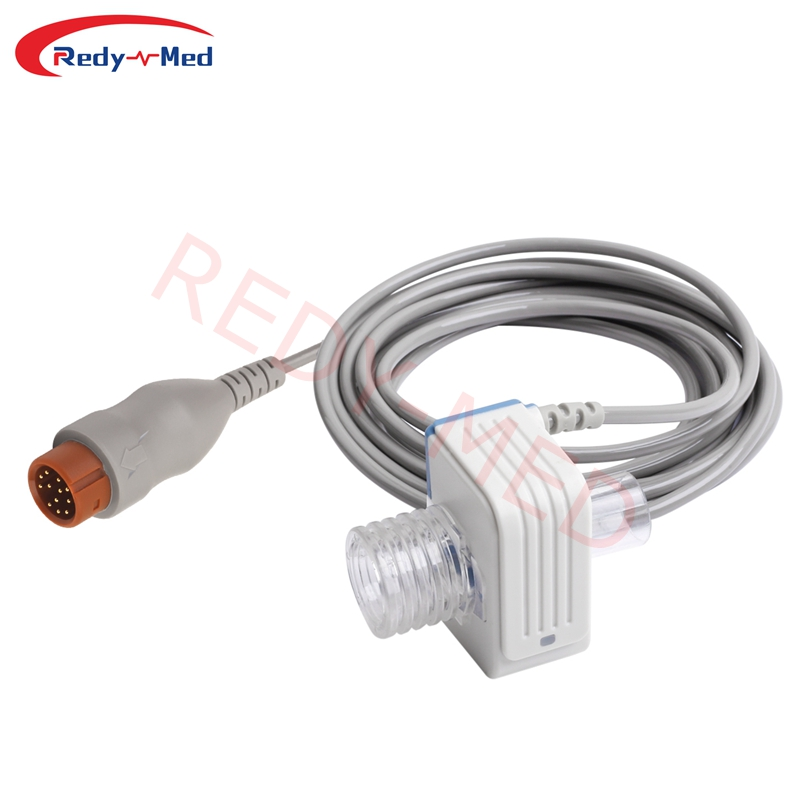
Critical Role of Real Time Airway Monitoring in Modern Ventilation
In modern intensive care units, emergency departments, and surgical operating rooms, mechanical ventilation represents a vital life support modality that requires continuous, accurate, and real time physiological monitoring. While traditional pulse oximetry offers essential data regarding arterial oxygen saturation, it inherently suffers from a delayed response time during acute respiratory failure or sudden airway compromise. The introduction of an advanced etco2 sensor has revolutionized critical respiratory care by delivering instantaneous, breath by breath measurements of end-tidal carbon dioxide levels. Healthcare professionals rely extensively on an etco2 sensor to evaluate the adequacy of alveolar ventilation, monitor metabolic activity, and assess pulmonary circulation in critically ill patients. During my early clinical practice within intensive care settings, the real time feedback from an etco2 sensor repeatedly proved instrumental in identifying subtle changes in patient respiratory drive long before pulse oximetry indicated systemic oxygen desaturation. Recognizing the clinical importance of an etco2 sensor empowers medical teams to execute timely adjustments to mechanical ventilator parameters, thereby mitigating the risks of severe hypoventilation, hypercapnia, or accidental lung volutrauma. Consequently, integrating a high performance etco2 sensor has become a universal benchmark for optimal airway management protocols across healthcare institutions globally. Everyday medical procedures demand the constant vigilance offered by this technology to maintain patient safety during complex anesthesia administration and prolonged mechanical ventilation care routines in critical care units.
Physiological Precision and Technical Operational Mechanics
Understanding the underlying operational mechanisms of an etco2 sensor involves analyzing the physical principles of non dispersive infrared spectroscopy. As exhaled gas passes through the breathing circuit, the internal optics emit infrared light across a specific wavelength band that corresponds precisely to the absorption spectrum of carbon dioxide molecules. By detecting the attenuation of infrared light, the etco2 sensor accurately calculates the partial pressure of carbon dioxide present at the very end of expiration. Modern medical practice utilizes two distinct technological architectures: mainstream and sidestream configurations. A mainstream etco2 sensor is positioned directly within the patient breathing circuit attached to an endotracheal tube, delivering ultra fast response times without requiring gas sampling diversion. In contrast, a sidestream etco2 sensor continuously aspirates a tiny sample of gas through specialized micro bore tubing, making this design ideal for non intubated individuals, pediatric patients, or conscious sedation procedures. Both designs depend on durable, high precision optical filters and photodetectors within the module to prevent measurement drift caused by moisture condensation, secretions, or ambient temperature fluctuations. Without a reliable etco2 sensor in place, clinicians face substantial challenges in identifying acute respiratory complications such as bronchospasm, partial airway obstruction, pulmonary embolism, or malignant hyperthermia during clinical operations.
Application Scenarios Across Diverse Clinical Environments
The clinical applications of an etco2 sensor span multiple critical care disciplines, demonstrating remarkable versatility in dynamic patient management settings. In pre hospital emergency medical services, field paramedics routinely utilize an etco2 sensor as the gold standard method for verifying correct endotracheal tube placement following emergency intubation procedures. Major clinical guidelines published by the American Heart Association and the American Society of Anesthesiologists mandate using an etco2 sensor to prevent tragic instances of unrecognised esophageal intubation. Within surgical operating theatres, anesthesiologists depend on continuous capnography data to fine tune ventilation parameters and detect hypermetabolic states instantly. Extensive clinical outcome studies indicate that routine monitoring with an etco2 sensor during procedural sedation reduces severe adverse hypoxic events by more than seventy percent compared to traditional clinical observation alone. In pediatric and neonatal intensive care units, specialized low dead space hardware allows neonatologists to manage delicate mechanical ventilation in premature infants while preventing volutrauma and hypocapnia related neurological injuries. Furthermore, in acute respiratory distress syndrome management, an etco2 sensor aids physicians in calculating dead space fraction and optimizing positive end expiratory pressure to maximize gas exchange efficiency and overall patient recovery.
Practical Case Evidence and Outcomes in Patient Safety
Compelling clinical evidence and real world case studies illustrate the profound impact of an etco2 sensor on improving patient survival outcomes across acute care settings. Consider a clinical case involving a severe traumatic brain injury patient admitted to an emergency resuscitation bay, where precise arterial carbon dioxide management was vital to prevent cerebral vasoconstriction or elevated intracranial pressure. In this high stakes scenario, continuous monitoring enabled the clinical team to maintain strict target values for alveolar ventilation, directly contributing to successful neurological recovery. Similarly, during cardiopulmonary resuscitation for sudden cardiac arrest, the quantitative capnography waveform generated by an etco2 sensor acts as an immediate surrogate marker for systemic blood flow generated by chest compressions. An abrupt, sustained rise in values recorded during chest compressions provides the earliest reliable clinical indication of the return of spontaneous circulation, often minutes before a peripheral pulse becomes palpable. Clinical research indicates that resuscitation protocols incorporating continuous feedback from an etco2 sensor significantly increase initial resuscitation success rates and overall hospital discharge outcomes. Conversely, the immediate loss of a capnography waveform instantly alerts medical staff to catastrophic clinical events, including accidental extubation, ventilator breathing circuit disconnection, or acute cardiac failure during resuscitation.
Engineering Standards and Strategic Manufacturing Capabilities at Redy-Med
Achieving exceptional clinical outcomes requires medical device manufacturers to partner with experienced suppliers capable of producing dependable sensor components backed by advanced manufacturing technology. As a prominent innovator in medical equipment accessories and cable assemblies, Redy-Med plays a vital role in elevating patient care standards worldwide. Redy-Med excels in engineering custom medical accessories, precision cables, and specialized sensor components that meet the stringent demands of modern healthcare applications. Through state of the art manufacturing facilities and comprehensive quality assurance systems, Redy-Med ensures that every component built for a capnography module operates with exceptional calibration accuracy and electrical stability. Medical device companies relying on OEM and ODM partnerships benefit from the deep supply chain capabilities and custom engineering capabilities offered by Redy-Med. By facilitating the seamless integration of a high performance etco2 sensor into advanced ventilator platforms and patient monitoring systems, Redy-Med supports healthcare providers in delivering safe, reliable respiratory support. The commitment of Redy-Med to ISO standards, rigorous environmental testing, and flexible OEM manufacturing empowers medical equipment brands to build next generation ventilation devices that save lives in critical care settings globally.
Table of Contents
- Critical Role of Real Time Airway Monitoring in Modern Ventilation
- Physiological Precision and Technical Operational Mechanics
- Application Scenarios Across Diverse Clinical Environments
- Practical Case Evidence and Outcomes in Patient Safety
- Engineering Standards and Strategic Manufacturing Capabilities at Redy-Med